Seasonal
"A peaceful Buddhist retreat?"... Beopheungsa Temple, Yeongwol's quiet mountain sanctuary
Discover Beopheungsa Temple in Yeongwol, a serene Buddhist sanctuary offering traditional architecture and a glimpse into Korea's mountain hermitage tradition.
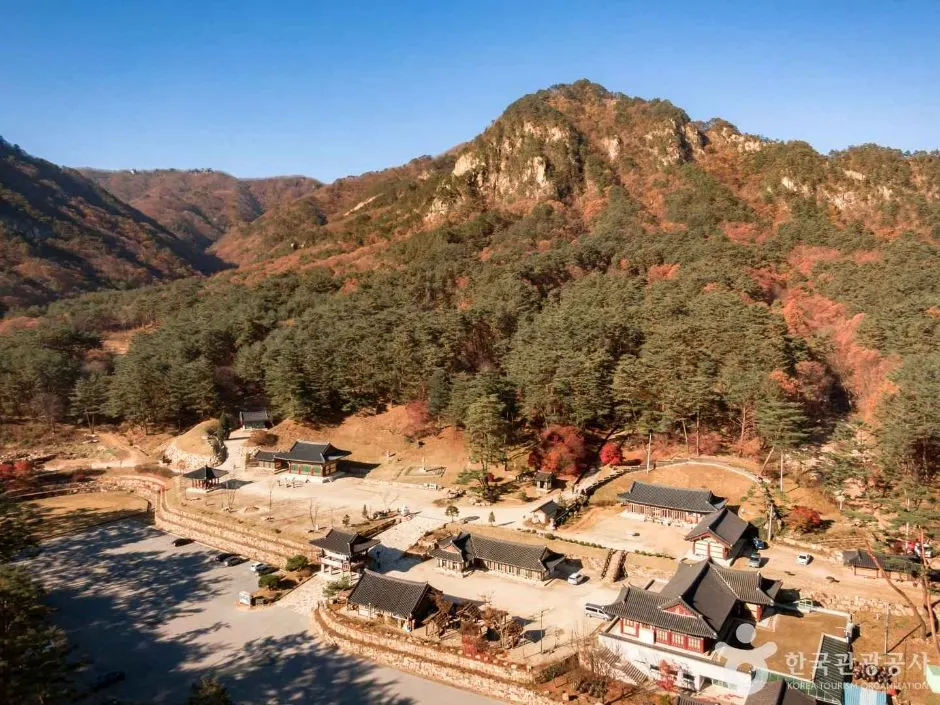
Nestled deep within the verdant mountains of Yeongwol, Gangwon-do, Beopheungsa Temple stands as a testament to Korea's rich Buddhist heritage. Unlike the bustling, well-trodden paths of more famous temples, Beopheungsa offers a serene escape, its traditional architecture harmonizing with the tranquil natural surroundings. This temple is a quiet anchor for travelers seeking a more introspective experience, a place where the gentle sounds of nature merge with the whispers of ancient Buddhist practices.
The Enduring Allure of Beopheungsa Temple

Beopheungsa Temple's history is deeply intertwined with the Korean Buddhist tradition of mountain hermitage, a practice that emphasizes solitude and deep spiritual cultivation away from urban centers. For centuries, these mountain temples have served as vital centers for monks and nuns seeking enlightenment amidst the profound silence of nature.
Beopheungsa embodies this spirit, providing a tangible connection to a lineage of spiritual seekers who have found solace and wisdom in its sacred grounds.
The architectural style of Beopheungsa reflects the pragmatic yet aesthetically refined principles of traditional Korean temple design. Buildings are often constructed with natural materials, blending seamlessly into the landscape.
Visitors can observe the characteristic tiled roofs, the sturdy wooden pillars, and the intricate details that speak of skilled craftsmanship passed down through generations. The layout of the temple, typically centered around a main pagoda or dharma hall, is designed to foster a sense of order and spiritual focus within its natural setting.
What Makes Beopheungsa a Unique Sanctuary?

The most striking aspect of Beopheungsa is its profound sense of peace, a stark contrast to the often crowded atmosphere of more prominent Buddhist sites. Here, the experience is less about ticking off sights and more about absorbing the tranquil ambiance.
The surrounding forest provides a natural buffer, enhancing the feeling of seclusion and allowing visitors to connect with the spiritual essence of the place without distraction. This quietude is not accidental; it is a deliberate cultivation of an environment conducive to meditation and reflection.
Furthermore, Beopheungsa is a living testament to the enduring mountain hermitage tradition. Unlike temples that have evolved primarily into tourist attractions, Beopheungsa retains a sense of authenticity, offering a glimpse into the daily life and spiritual practices that have characterized Korean Buddhism for centuries.
The temple grounds may be simple, but they resonate with a quiet dignity and a deep historical significance that is palpable to those who take the time to explore them.
Experiencing the Serenity of Beopheungsa

A visit to Beopheungsa offers a gentle immersion into Korean Buddhist culture. Walking through the temple complex, visitors can admire the traditional architecture, including prayer halls and stupas, each with its own story and significance.
The natural setting is equally captivating, with walking paths winding through the forested hillsides, offering opportunities for quiet contemplation amidst the sounds of nature. The air is often crisp and clean, carrying the subtle scent of pine and damp earth.
For those interested in deepening their understanding, engaging with the local monks or temple staff, if available and appropriate, can provide valuable insights into the temple's history and Buddhist philosophy. Many visitors find that simply sitting in the quiet courtyards, observing the play of light and shadow through the trees, and listening to the distant temple bell is a profoundly restorative experience.
It is a place to slow down, to breathe, and to reconnect with oneself.
Tips for Your Visit to Beopheungsa

Beopheungsa Temple is located in Yeongwol, Gangwon-do, a region known for its natural beauty and historical sites. While it offers a peaceful retreat, it is advisable to check the temple's specific visiting hours and any potential seasonal closures before planning your trip.
The temple is best accessed by car, as public transportation options to more remote mountain temples can be limited. Consider visiting during weekdays or off-peak seasons to maximize the sense of tranquility.
When visiting, remember that Beopheungsa is an active place of worship. Dress respectfully, ensuring shoulders and knees are covered, and maintain a quiet demeanor out of consideration for those meditating or praying.
Photography may be restricted in certain areas, so be mindful of any signage or requests from temple staff. Embracing the quiet and respectful atmosphere will undoubtedly enhance your experience of this sacred mountain sanctuary.

Where is Beopheungsa Temple located?
Beopheungsa Temple is situated in Yeongwol-gun, Gangwon-do, South Korea.
What are the main attractions within the temple?
The temple features traditional Buddhist architecture, serene mountain surroundings, and a peaceful atmosphere reflecting the mountain hermitage tradition.
Is there an admission fee for Beopheungsa Temple?
Typically, there is no admission fee for visiting Beopheungsa, as is common for many smaller temples.
What nearby attractions can be paired with a visit to Beopheungsa?
Beopheungsa can be combined with Yeongwol's heritage sites like Cheongnyangpo Pavilion and the Donggang River area.
How can I get to Beopheungsa Temple?
Access is easiest by private vehicle. Public transport to the temple itself is limited; research local bus routes or consider a taxi from Yeongwol town.