Seasonal
Bijarim Forest Visitor Guide — 800-Year-Old Trees & Location
Explore Bijarim Forest, a primeval sanctuary on Jeju Island home to nearly 3,000 ancient nutmeg yew trees, some over 800 years old. Discover its natural beauty and unique heritage.
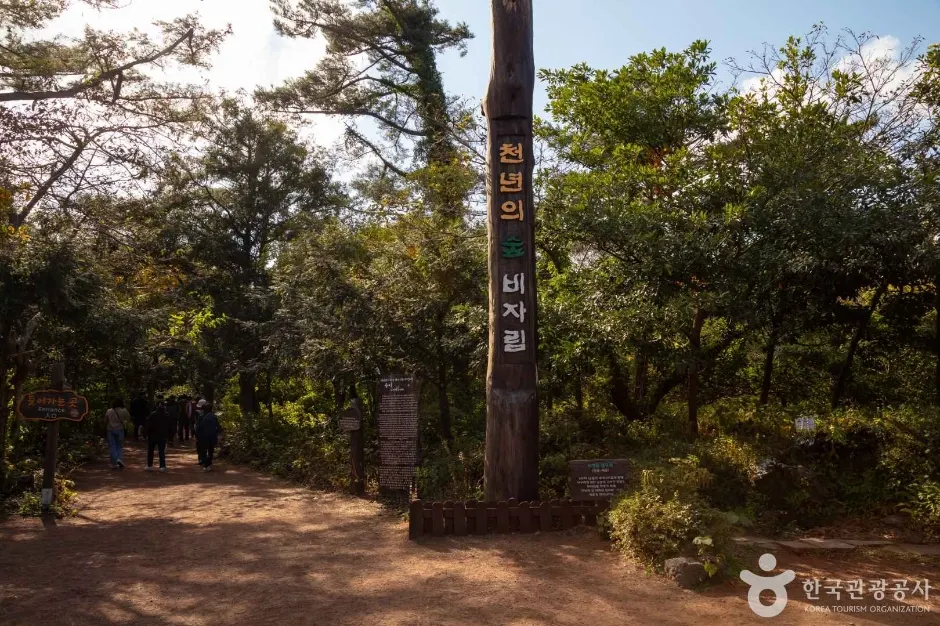
Designated and protected as a Natural Monument, Bijarim Forest is home to 2,800 bija trees, ranging from 500 to 800 years in age, spread over 448,165㎡ land area. These majestic trees range from 7-14 meters in x_height, 50-110 centimeters in diameter, and 10-15 meters in crown x_width, so this forest is quite a rare example of its kind in the world. The berries of bija trees were used widely as a medicine used to kill parasites, while the wood was used to make premium furniture and go boards. Forest bathing in a bija forest helps to combat arteriosclerosis, mitigate physical and psychological fatigue, and restore the body’s rhythm.
Why Bijarim Forest matters


Beyond the sheer age of the trees, Bijarim boasts unique botanical characteristics. The Bija tree itself is a species of evergreen yew, known for its hard wood and the aromatic seeds it produces, which have traditionally been used in medicine and as a spice. The forest floor is often carpeted with fallen leaves and moss, adding to the primeval ambiance.
As you wander, take time to observe the diverse flora and fauna that inhabit this unique environment. While the Bija trees are the stars, the forest is also home to various other plant species, mosses, and small creatures that contribute to the rich biodiversity. The quietude of the forest encourages mindful observation and a deeper appreciation for the natural world.
Official visitor information
Official address: 55 Bijasup-gil, Jeju-si, Jeju-do.
Official visiting hours: 09:00-18:00 · * Last admission 1 hour before closing.
Official closure information: N/A (Open all year round).
Parking: Available.
Official information contact: +82-64-710-7912.
How to use this guide
Use the official information above as the planning baseline. Opening arrangements, programs, admission conditions, and access rules can change after this review. Follow the official source links before traveling, especially when your visit depends on a particular exhibition, performance, seasonal activity, or facility.
The remaining recommendations on this page are editorial guidance for understanding the setting and organizing a visit. They are not a substitute for instructions issued by the venue, local government, cultural-property authority, or transport operator.
Responsible visit checklist
Before leaving
- Open the official venue page and confirm the latest operating notice.
- Check weather and transport conditions on the day of travel.
- Respect residential, religious, ecological, and cultural-property rules where applicable.
- Allow flexibility rather than relying on an exact minute-by-minute schedule.
- Use the official information contact when accessibility or reservation details are essential.
Where is Bijarim Forest?
55 Bijasup-gil, Jeju-si, Jeju-do
Where should I confirm current hours and closures?
Use the official source links in the reviewed-for-accuracy panel on this page.
When was this information checked?
The reviewed-for-accuracy panel shows the latest human review date and source record.