Itinerary
Jeju National Museum Visitor Guide — Exhibits, Hours & Location
Explore Jeju's distinct history and culture at the Jeju National Museum, showcasing everything from ancient Tamna to the iconic Haenyeo.
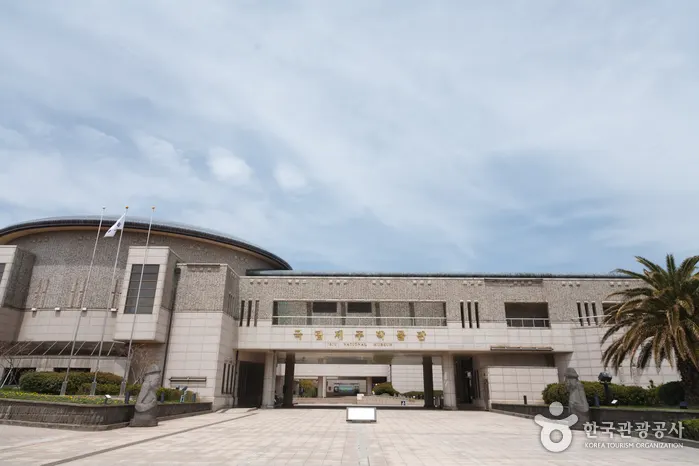
Opened on June 15, 2001, Jeju National Museum is a history museum that displays, preserves and studies Jeju Island’s historical and cultural assets. Jeju National Museum houses various remains excavated from ruins, including meaningful relics from the prehistoric age through to the Joseon dynasty. It boasts unique traditional culture and holds special exhibitions each year.
Why Jeju National Museum matters

The Jeju National Museum is more than just a repository; it is a crucial institution dedicated to preserving and presenting the island's singular heritage. Unlike museums that might offer a brief nod to regional history, this museum dedicates its entire focus to the specific environmental, historical, and cultural forces that have shaped Jeju into the place it is today.
Moving beyond ancient history, the museum thoughtfully chronicles the evolution of life on Jeju through the Joseon Dynasty. These displays illustrate the particular challenges and adaptations of island living, showcasing how geographical isolation influenced social structures, economy, and culture.
The museum delves into their history, their diving techniques, their tools, and the cultural significance they hold, offering profound respect for their legacy.
No exploration of Jeju is complete without understanding its geological foundation. The Jeju National Museum integrates the island's volcanic origins into its broader historical and cultural narrative.
The museum's commitment to presenting Jeju as a distinct cultural and linguistic region, rather than a peripheral part of the mainland, is evident throughout its displays and educational materials, fostering a deeper understanding and appreciation for the island's unique place in Korean history.
Official visitor information
Official address: 17, Iljudong-ro, Jeju-si, Jeju-do.
Official visiting hours: Tuesday-Friday 09:00-18:00 · Weekends & Public holidays 10:00-19:00 · * Saturdays (March-October) 10:00-21:00 · * Last Wednesday of every month 10:00-21:00.
Official closure information: Mondays (If Monday is a holiday, closed on the following day), New Year's Day, Seollal (Lunar New Year's Day) & Chuseok (Korean Thanksgiving Day) Holidays.
Parking: Available.
Official information contact: • 1330 Travel Hotline: +82-2-1330 · (Korean, English, Japanese, Chinese) · • For more info +82-64-720-8000.
Official admission information: Free (Fees apply for special exhibitions).
How to use this guide
Use the official information above as the planning baseline. Opening arrangements, programs, admission conditions, and access rules can change after this review. Follow the official source links before traveling, especially when your visit depends on a particular exhibition, performance, seasonal activity, or facility.
The remaining recommendations on this page are editorial guidance for understanding the setting and organizing a visit. They are not a substitute for instructions issued by the venue, local government, cultural-property authority, or transport operator.
Responsible visit checklist
Before leaving
- Open the official venue page and confirm the latest operating notice.
- Check weather and transport conditions on the day of travel.
- Respect residential, religious, ecological, and cultural-property rules where applicable.
- Allow flexibility rather than relying on an exact minute-by-minute schedule.
- Use the official information contact when accessibility or reservation details are essential.
Where is Jeju National Museum?
17, Iljudong-ro, Jeju-si, Jeju-do
Where should I confirm current hours and closures?
Use the official source links in the reviewed-for-accuracy panel on this page.
When was this information checked?
The reviewed-for-accuracy panel shows the latest human review date and source record.