Seasonal
"A Thousand Years of Autumn Colors?"... Yeonggwang Bulgapsa Temple, a Jewel of South Jeolla
Discover Bulgapsa Temple in Yeonggwang, South Jeolla, a historic Buddhist sanctuary famed for its autumn foliage and serene beauty. Explore its ancient architecture and tranquil surroundings.
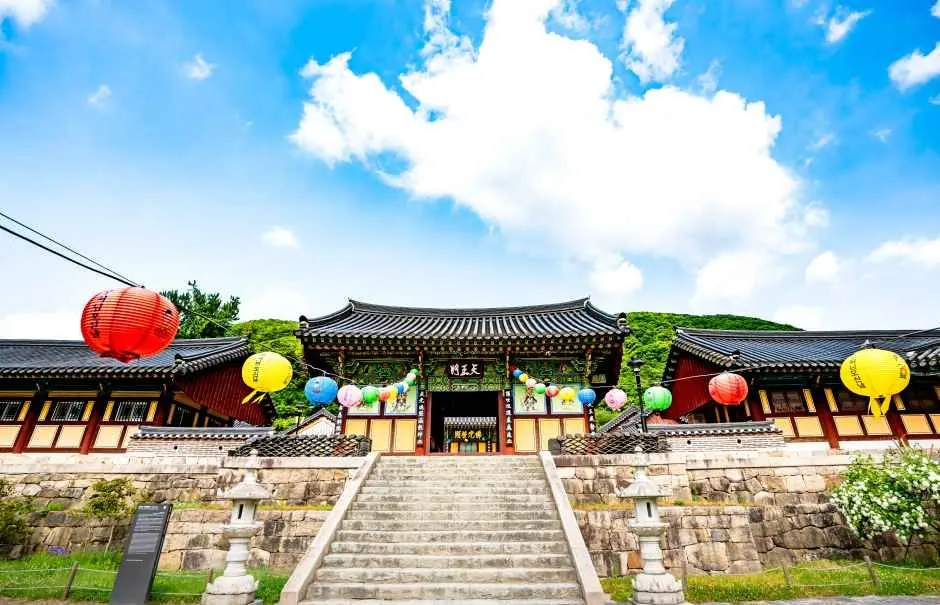
As autumn paints the Korean peninsula in vibrant hues, Bulgapsa Temple in Yeonggwang, South Jeolla Province, emerges as a must-visit destination. This historic sanctuary, founded during the Unified Silla period, is particularly renowned for its breathtaking autumn foliage, drawing visitors with promises of natural beauty and spiritual tranquility. If you seek a place where history, nature, and vibrant seasonal colors converge, Bulgapsa awaits.
Bulgapsa's Enduring Appeal: A Tapestry of History and Nature

Bulgapsa Temple, nestled in the verdant hills of Yeonggwang County, is more than just an ancient structure; it's a living testament to Korea's rich Buddhist heritage. Established in 651 AD during the Unified Silla Dynasty by Monk Jajang, the temple has witnessed over 1,300 years of Korean history.
Its strategic location, surrounded by mountains, has protected it through centuries of change, preserving its architectural integrity and spiritual atmosphere. The very name 'Bulgap' translates to 'Buddha's Victory,' hinting at its long-standing significance as a center of Buddhist faith.
The temple's architectural style reflects a journey through Korean dynasties, with additions and renovations occurring over centuries. While its foundational elements date back to Silla, subsequent periods like Goryeo and Joseon have left their marks, creating a unique blend of styles.
This layering of history is visible in the various halls, pagodas, and structures spread across the temple grounds. Each building tells a story, from the main Daeungjeon Hall, often the heart of Buddhist temples, to smaller meditation rooms and monastic quarters.
What Makes Bulgapsa a Seasonal Spectacle?

While Bulgapsa is a site of serene beauty year-round, its fame truly peaks in autumn. The temple is renowned for its spectacular display of fall colors, particularly surrounding the ancient zelkova trees and maple trees that dot its landscape.
The vibrant reds, oranges, and yellows create a stunning contrast against the traditional dark wood and white plaster of the temple buildings. Walking paths wind through these colorful groves, offering visitors immersive views of the seasonal transformation.
The most iconic feature of Bulgapsa's autumn allure is the cluster of ancient zelkova trees near the entrance, some estimated to be hundreds of years old. These majestic trees turn brilliant shades of red and orange, framing the temple's entrance and creating a postcard-perfect scene.
This natural spectacle is so celebrated that Bulgapsa is often referred to as 'Bulgapsa Gyeoul' (불갑사 계절), emphasizing its distinct seasonal charm. The crisp autumn air enhances the sensory experience, making a visit during this time particularly memorable.
Exploring the Sacred Grounds: What to See and Do

A visit to Bulgapsa offers a tranquil escape and a chance to connect with Korean Buddhist culture. The temple complex is home to several significant structures.
The Daeungjeon Hall, the main sanctuary, typically houses exquisite Buddhist statues and intricate murals, providing a glimpse into the devotional practices. Other notable buildings include the Yaksa-jeon (Hall of the Medicine Buddha) and the Myeongbujeon (Hall of the Underworld), each with its own religious significance and architectural details.
Beyond the main halls, Bulgapsa boasts several cultural treasures. The Bulgapsa Stone Pagoda, designated as Treasure No. 389, is a fine example of Goryeo Dynasty stonework, standing as a symbol of the temple's long history.
Visitors can also explore the various smaller temples and hermitages scattered throughout the grounds, each offering a unique perspective on Buddhist monastic life. Walking paths extend into the surrounding hills, inviting exploration of the natural landscape and providing moments of quiet contemplation away from the main temple area.
Planning Your Visit: Essential Tips for Bulgapsa

The best time to visit Bulgapsa is undoubtedly during autumn, typically from late October to mid-November, when the foliage is at its peak. However, the temple offers a peaceful retreat throughout the year, with spring blossoms and summer greenery providing their own unique charm.
The temple is generally open from early morning until sunset, though specific hours can vary. Admission is typically free, reflecting its status as a cultural heritage site open to all.
Getting to Bulgapsa requires a bit of planning, especially if you are relying on public transport. Located in Yeonggwang County, it is most easily accessed by car or taxi from Yeonggwang Bus Terminal. Local buses may also serve the area, but schedules can be infrequent.
Comfortable walking shoes are recommended, as you will likely explore the temple grounds and potentially surrounding trails. Consider visiting on a weekday to avoid larger crowds, especially during peak autumn season.

Where is Bulgapsa Temple located?
Bulgapsa is situated in Yeonggwang County, South Jeolla Province, South Korea.
What are the main attractions within Bulgapsa?
Key sights include the Daeungjeon Hall, Yaksa-jeon, the Goryeo-era stone pagoda, and ancient zelkova trees famous for autumn foliage.
Is there an admission fee for Bulgapsa?
Typically, there is no admission fee to enter the Bulgapsa Temple grounds.
What is nearby Bulgapsa Temple?
Nearby attractions include Yeonggwang's coastline, local seafood markets, and other regional temples.
How can I get to Bulgapsa and what should I expect?
Access is best by car or taxi from Yeonggwang. Expect peaceful grounds, beautiful nature, and traditional temple architecture.