Seasonal
"A quiet temple with 1,400 years of history?"... Dongnimsa Temple, Gimhae's ancient Gaya refuge
Discover Dongnimsa Temple, a serene 6th-century sanctuary in Gimhae, steeped in the history of the Geumgwan Gaya kingdom. A peaceful escape from the crowds.
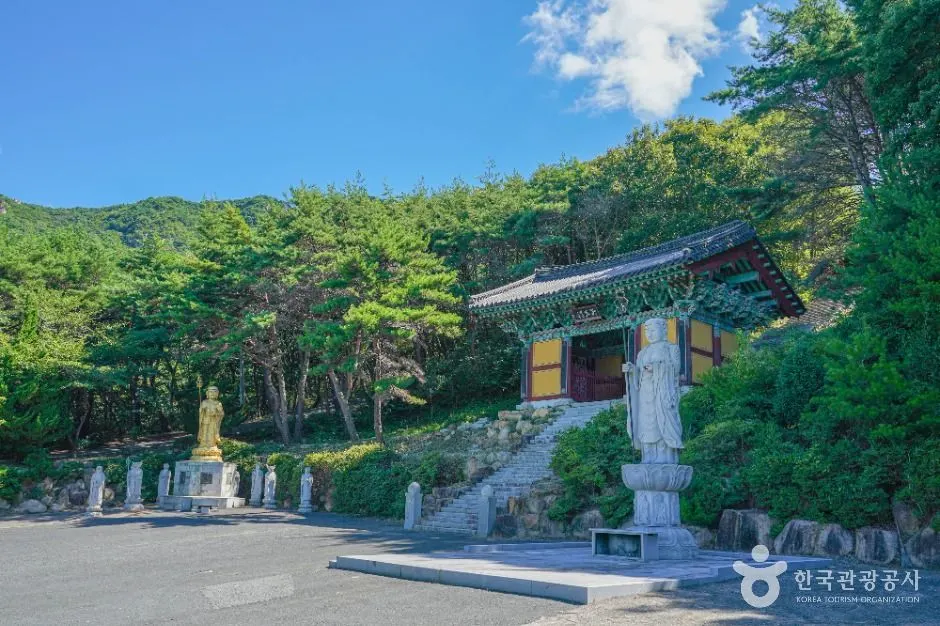
Tucked away on the slopes of Bunseongsan mountain in Gimhae, Gyeongsangnam-do, lies Dongnimsa Temple. Founded in the 6th century during the Three Kingdoms period, this small mountain monastery holds deep connections to the Geumgwan Gaya kingdom, whose capital once stood in Gimhae. The temple grounds may be modest, but they resonate with over 1,400 years of history, offering a tranquil retreat for those seeking a connection to Korea's ancient past.
A Glimpse into Geumgwan Gaya's Spiritual Roots
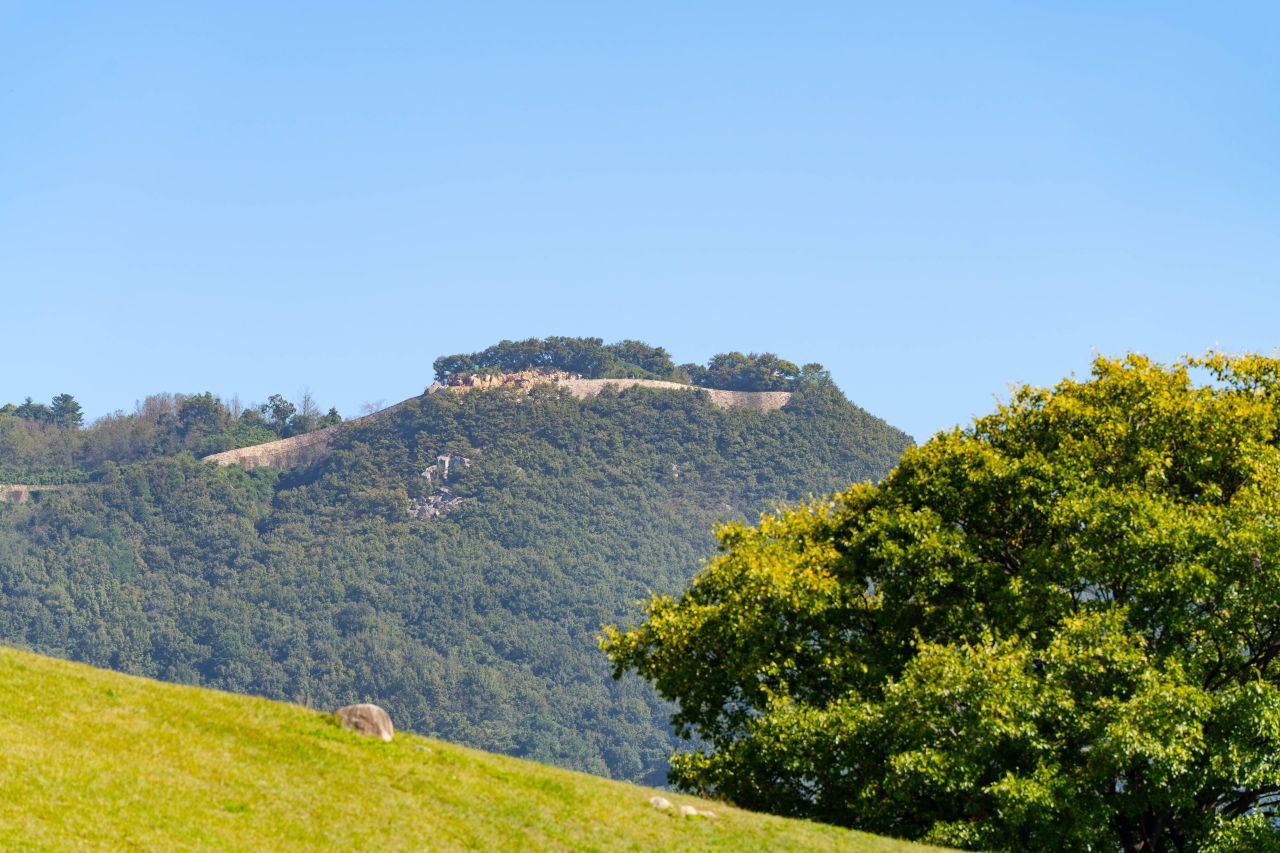
Dongnimsa Temple's origins are intertwined with the powerful Geumgwan Gaya kingdom, which flourished in the region from the 1st to the 6th century CE. While the exact founding date remains elusive, historical records and the temple's architecture suggest its establishment during the 6th century, a period of significant Buddhist influence spreading across the Korean peninsula.
The temple's location on Bunseongsan was likely chosen for its strategic and spiritual significance, offering a secluded space for worship and contemplation away from the bustling capital.
The physical remnants at Dongnimsa, though few, are potent symbols of this historical lineage. The main hall, often referred to as Daeungjeon, serves as the spiritual heart of the temple, housing Buddhist icons and serving as the primary place of worship.
Adjacent to it stands a stone pagoda, a quintessential element of Buddhist temple architecture in Korea, believed to enshrine relics and serve as a focal point for devotion. These structures, set amidst a serene grove of pine trees, evoke a sense of timelessness and enduring faith.
The Enduring Appeal of Seclusion

What truly sets Dongnimsa Temple apart is its profound sense of peace, largely due to its location. Situated away from the well-trodden tourist paths, it offers an authentic experience of a traditional Korean mountain temple.
The journey to Dongnimsa itself can feel like a step back in time, with the natural landscape gradually giving way to the quiet sanctuary. This deliberate distance from the mainstream ensures that visitors can immerse themselves in the temple's serene atmosphere without the usual distractions of popular tourist sites.
The surrounding pine grove plays a crucial role in this tranquil ambiance. The rustling of pine needles in the wind, the dappled sunlight filtering through the branches, and the earthy scent of the forest create a sensory experience that complements the spiritual resonance of the temple.
It's a place where one can easily spend an hour or two simply wandering, reflecting, and absorbing the quietude, allowing the stresses of modern life to melt away amidst the natural beauty and historical gravitas.
Exploring Dongnimsa's Historical Treasures

While the temple complex is compact, its historical significance is considerable. The main hall, Daeungjeon, embodies traditional architectural styles, though its current form may reflect renovations over centuries.
Inside, visitors can typically find a main Buddha statue, often flanked by bodhisattvas or guardian figures, each contributing to the devotional atmosphere. The presence of bilingual interpretation panels is a thoughtful addition, providing context about the temple's history and its connection to the Geumgwan Gaya era for both Korean and international visitors.
The stone pagoda is another key feature, likely dating back to the Goryeo or Joseon dynasties, periods when such pagodas were still being erected, continuing a tradition from the Unified Silla period. These pagodas were not merely decorative; they were integral to temple rituals and often housed sacred relics.
Studying its design and placement offers insights into the architectural and religious practices of the time. The subtle details, from the carved elements to the overall proportion, speak volumes about the craftsmanship and spiritual devotion of its creators.
Practical Tips for Your Visit

Visiting Dongnimsa Temple is best undertaken with an appreciation for its quiet nature. The temple is relatively small, and a leisurely exploration typically takes around 45 minutes to an hour.
Comfortable walking shoes are recommended, as the paths around the temple are natural and may involve gentle slopes. Given its secluded location, it's advisable to check transportation options in advance, as public transport might be less frequent than in more urban areas.
Consider combining your visit to Dongnimsa Temple with other nearby historical sites in Gimhae to create a more comprehensive cultural experience. The Gimhae National Museum, which extensively covers the history and artifacts of the Gaya confederacy, and the Daesong-dong Tumuli Park, featuring the royal tombs of the Gaya rulers, are excellent pairings.
These locations provide a broader context for understanding the significance of Dongnimsa within the historical landscape of the Geumgwan Gaya kingdom.
Where is Dongnimsa Temple located?
Dongnimsa Temple is situated on Bunseongsan mountain in Gimhae, Gyeongsangnam-do, South Korea.
What are the main attractions at Dongnimsa Temple?
Key features include the main hall (Daeungjeon), a historic stone pagoda, and its peaceful pine grove setting.
What is the admission fee for Dongnimsa Temple?
Admission to Dongnimsa Temple is typically free, as is common for many smaller temples in Korea.
What historical sites are near Dongnimsa Temple?
Nearby sites include the Gimhae National Museum and the Daesong-dong Tumuli Park (Gaya royal tombs).
How can I get to Dongnimsa Temple?
Public transport options may be limited; driving or taking a taxi from Gimhae city center is recommended.