Itinerary
Busan Museum Visitor Guide — History, Culture & Exhibits
Discover Busan's rich history and art at the Busan Museum. From maritime tales to exquisite ceramics, explore Korea's past and present.
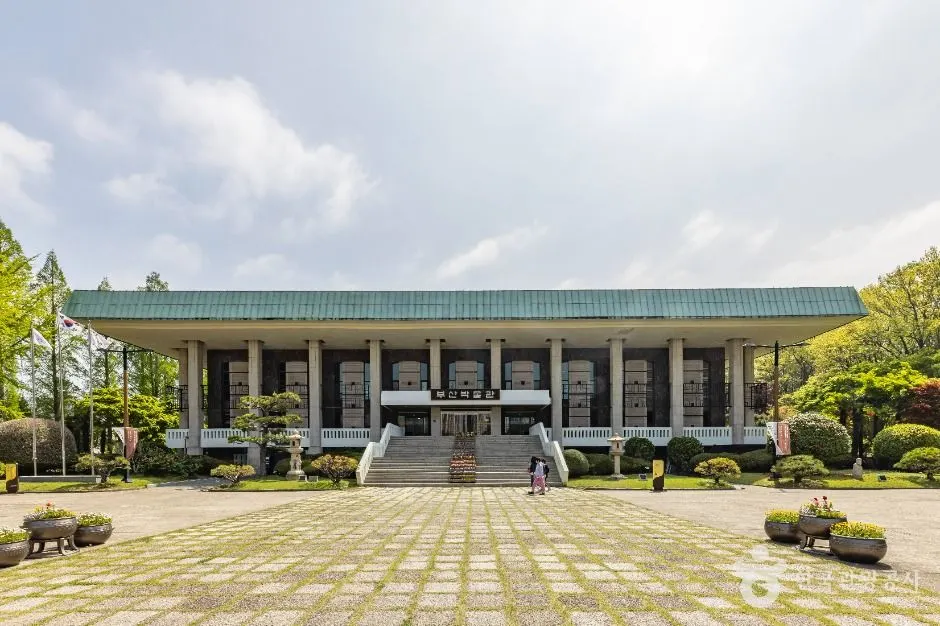
Busan Museum was founded on July 11, 1978 to collect, preserve, display, and research the cultural hertiage of Busan. The museum houses 45,000 artifacts, displaying just 1,300 through regular exhibition rooms. The museum underwent a remodeling project in 2002 along with the opening of Exhibition Hall 2 to expand to ten permanent exhibition rooms, as well as a planned exhibition space, heritage research room, experience hall, lecture hall, and more. The museum aims to provide more extensive research into uncovering historical artifacts, and provide educational programs to visitors.
Why Busan Museum matters

The Busan Museum's permanent exhibitions are anchored by a profound exploration of the city's maritime heritage. Given Busan's historical role as a vital trading port and naval base, these displays are not merely historical records but vibrant narratives of connection and exchange. You can trace the city's development from a small fishing village to a global maritime hub through artifacts, models, and interactive exhibits.
Busan Museum is designed with the visitor experience in mind. Its architecture promotes accessibility, with spacious and well-lit galleries that are easy to navigate.
The museum actively engages its audience through a variety of educational programs and guided tours. These initiatives aim to provide deeper context and understanding of the exhibits, making the cultural heritage more relatable and memorable for visitors of all ages and backgrounds.
Official visitor information
Official address: 63 UN pyeonghwa-ro, Nam-gu, Busan.
Official visiting hours: 09:00-18:00* Last admission is 1 hour before closing..
Official closure information: January 1, Mondays (closed the following business day if Monday is a public holiday).
Parking availability is not stated in the current official record.
Official information contact: +82-51-610-7111.
Official admission information: Free.
How to use this guide
Use the official information above as the planning baseline. Opening arrangements, programs, admission conditions, and access rules can change after this review. Follow the official source links before traveling, especially when your visit depends on a particular exhibition, performance, seasonal activity, or facility.
The remaining recommendations on this page are editorial guidance for understanding the setting and organizing a visit. They are not a substitute for instructions issued by the venue, local government, cultural-property authority, or transport operator.
Responsible visit checklist
Before leaving
- Open the official venue page and confirm the latest operating notice.
- Check weather and transport conditions on the day of travel.
- Respect residential, religious, ecological, and cultural-property rules where applicable.
- Allow flexibility rather than relying on an exact minute-by-minute schedule.
- Use the official information contact when accessibility or reservation details are essential.
Where is Busan Museum?
63 UN pyeonghwa-ro, Nam-gu, Busan
Where should I confirm current hours and closures?
Use the official source links in the reviewed-for-accuracy panel on this page.
When was this information checked?
The reviewed-for-accuracy panel shows the latest human review date and source record.