Itinerary
"A Scholar's Brushstrokes Echo Through Time?"... Chusa Memorial Hall, Yesan's Tribute to Joseon's Master
Explore the life and legacy of Kim Jeong-hui at the Chusa Memorial Hall in Yesan. Discover Joseon Dynasty calligraphy, art, and philosophy.
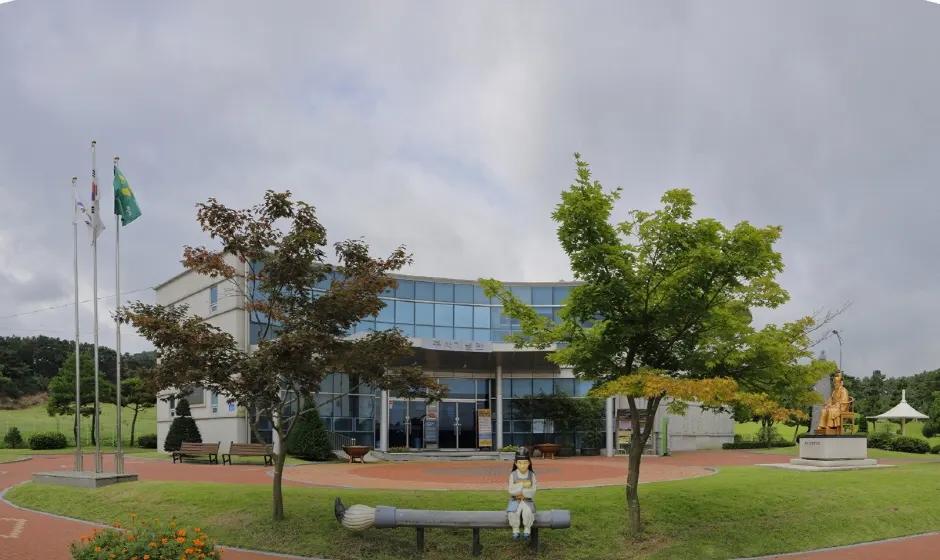
Step into the world of Kim Jeong-hui, a towering figure of the Joseon Dynasty, at the Chusa Memorial Hall in Yesan. This sanctuary preserves the artistic and intellectual legacy of one of Korea's most revered scholars, offering a profound glimpse into the nation's cultural heritage. Here, his masterful calligraphy, insightful paintings, and scholarly pursuits come alive, inviting visitors to connect with a pivotal era of Korean history.

The Enduring Brilliance of Kim Jeong-hui
Kim Jeong-hui (1786–1856), widely known by his pen name Chusa, stands as one of the most distinguished scholars and artists of the Joseon period. His life spanned a period of significant intellectual ferment, and his contributions left an indelible mark on Korean culture.
The Chusa Memorial Hall is dedicated to celebrating this multifaceted genius, housing a collection that speaks volumes about his dedication to learning and his unparalleled artistic talent. For those interested in the deep currents of Korean intellectual history, a visit here is essential.
Chusa's influence extended across numerous fields, including epigraphy, philosophy, and literature, but he is perhaps most celebrated for his revolutionary approach to calligraphy. His unique script, known as 'Chusa-che' (Chusa style), broke away from established norms, infusing classical forms with a personal, expressive vitality.
This distinctive style is a testament to his innovative spirit and his ability to synthesize diverse influences into something entirely original. The memorial hall meticulously showcases these works, allowing visitors to appreciate the evolution and impact of his artistic vision.
A Treasury of Joseon Art and Scholarship
The Chusa Memorial Hall serves as a vital repository for the scholar's extensive body of work. Within its walls, visitors can encounter a rich collection of his original calligraphy pieces, ranging from monumental scrolls to intimate letters.
These works are not merely beautiful; they are historical documents that offer insights into the socio-political landscape of the late Joseon era and the intellectual discourse of the time. Each stroke of the brush tells a story, revealing Chusa's profound understanding of classical Chinese literature and his engagement with contemporary philosophical ideas.
Beyond calligraphy, the hall also exhibits Chusa's notable paintings and scholarly writings. His paintings, often imbued with a sense of quiet contemplation and deep respect for nature, reflect the literati tradition of the time.
The artifacts preserved here, including personal belongings and documents, further illuminate his life and work. Through these tangible connections to the past, the memorial hall provides an immersive experience, bringing the intellectual world of Joseon to life for contemporary audiences.
Experiencing Chusa's World
Visiting the Chusa Memorial Hall is an opportunity to delve into the heart of Korean classical culture. The exhibits are thoughtfully curated to guide visitors through Chusa's life journey, from his early studies to his later years of scholarly reflection.
Special displays often highlight specific aspects of his work, such as his contributions to epigraphy or his philosophical musings. Interactive elements, where available, can further enhance understanding, making the complex world of Joseon scholarship accessible and engaging.
The hall itself is designed to complement the art and artifacts it houses, often featuring traditional Korean architectural elements that create a serene and contemplative atmosphere. This environment encourages visitors to slow down, observe closely, and absorb the depth of the works presented.
It's a place to reflect on the enduring power of art and intellect, and to appreciate the contributions of individuals like Kim Jeong-hui who shaped the cultural identity of a nation. For any traveler seeking a meaningful cultural encounter, this site offers a unique perspective.
Planning Your Visit to the Memorial Hall
The Chusa Memorial Hall is located in Yesan, South Chungcheong Province, a region rich in historical significance. It is accessible by public transportation, though combining it with a private vehicle or taxi can streamline the journey, especially if exploring other nearby attractions.
The best times to visit are typically spring and autumn, when the weather is pleasant for exploring the surrounding areas. Checking the official website for current operating hours and any special exhibitions is always recommended before your trip.
Admission fees are generally modest, reflecting the cultural and educational mission of the institution. Discounts may be available for certain groups, such as seniors, students, or individuals with disabilities.
Consider allocating at least two to three hours to fully appreciate the exhibits and the context they provide. The adjacent Chusa Garden offers a peaceful space for reflection after your museum visit, further enhancing the overall experience.
Where is the Chusa Memorial Hall located?
It is located in Yesan, South Chungcheong Province, South Korea.
What are the main attractions at the hall?
The hall features calligraphy, paintings, and artifacts of Joseon scholar Kim Jeong-hui.
Is there an admission fee?
Yes, there is typically a modest admission fee, with potential discounts available.
What are good nearby attractions to visit with Chusa Memorial Hall?
Nearby options include Chusa Garden, Munsusa Temple, and Deoksan Hot Springs.
How can I get to the memorial hall and what is recommended?
Accessible by public transport, but a taxi or car is convenient. Check hours online.