Itinerary
Daegaya Museum Visitor Guide — Goryeong's Ancient Treasure Trove
Explore the Daegaya Museum in Goryeong, home to the most comprehensive collection of artifacts from this powerful 5th-6th century kingdom.
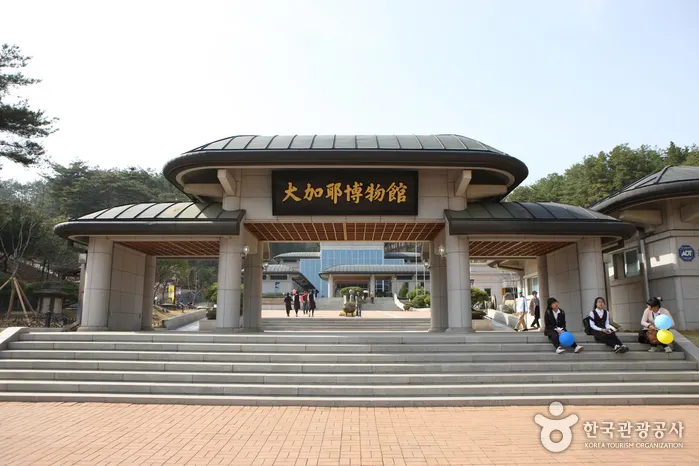
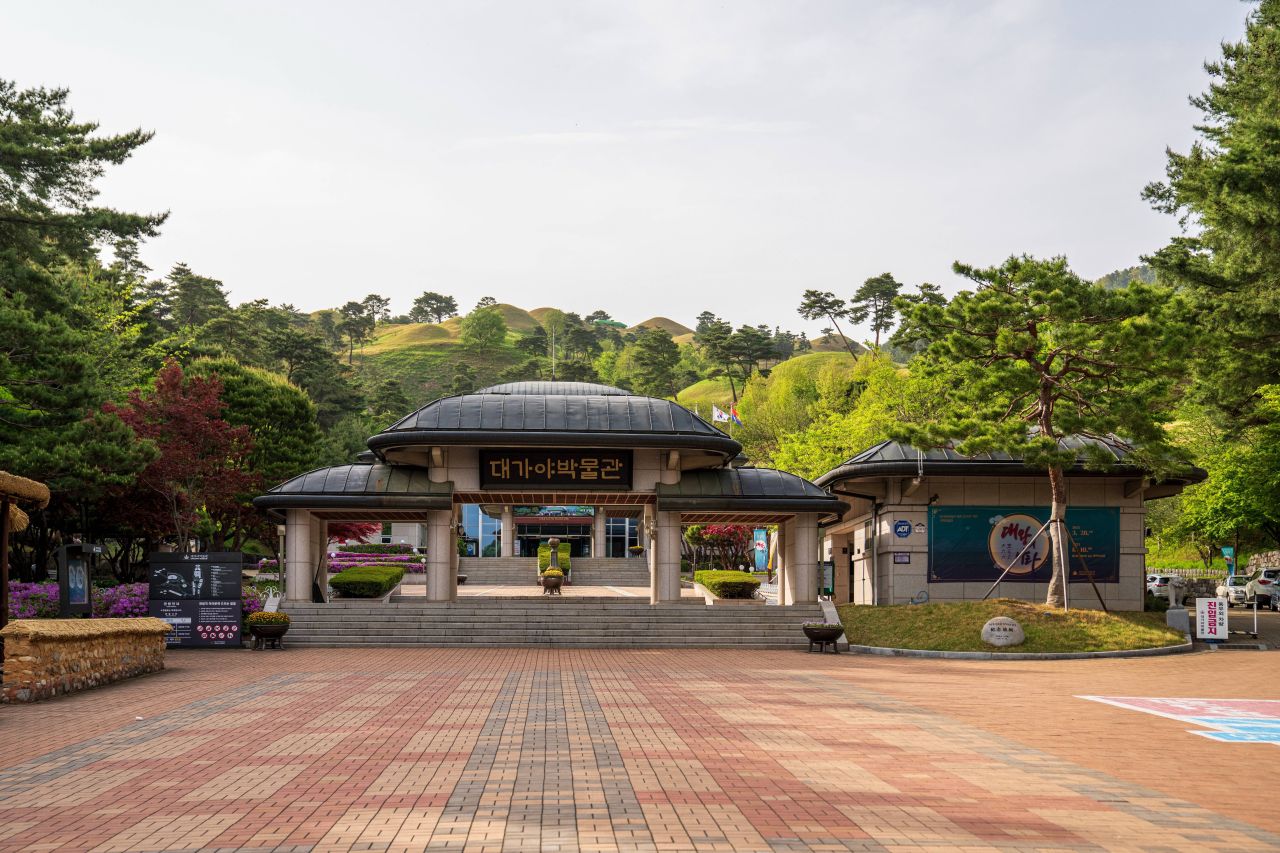
Daegaya Museum exhibits the history, culture, and customs of the Daegaya Kingdom. The museum consists of the Daegaya Royal Tomb Pavilion, the Daegaya History Pavilion, and Ureuk Museum. · · The Royal Tomb Pavilion is a 37 meter-wide dome that houses relics of the Jisan-dong Ancient Tombs, a Historic Site. It is essentially the restoration of the Jisandong Tumulus, the first large-scale sunjang (burial of the living with the dead). · · The History Pavilion houses a collection of relics from the Daegaya Kingdom, while holding special exhibitions and educational activities periodically. The outdoor exhibition center displays items that showcase the ancient lifestyle. · · Ureuk Museum is a dedicated to Ureuk, a Daegaya musician who invented the gayageum , a traditional Korean twelve-stringed instrument.
Why Daegaya Museum matters
The museum's collection also includes a fascinating array of trade goods, providing concrete evidence of Daegaya's far-reaching commercial activities. These items, sourced from Japan, other Korean polities, and China, illustrate the kingdom's integration into the wider East Asian economic system. Examining these imported and exported goods allows visitors to appreciate the scale of Daegayan influence and its connections beyond its immediate borders.
Exploring the Jisan-dong Royal Tomb Complex
Walking among these ancient burial sites offers a profound sense of scale and the enduring power of the Daegaya rulers.
The sheer number of tombs within the Jisan-dong complex is a testament to Daegaya's significant population and its hierarchical social structure. Many of these tombs have yielded important artifacts, mirroring and complementing the collections found within the museum.
The largest of these tombs, often referred to as the 'Royal Tomb,' provides a visual anchor, hinting at the immense wealth and status of the individuals interred there.
Visiting the Jisan-dong Royal Tomb Complex in conjunction with the Daegaya Museum provides a comprehensive understanding of the kingdom. While the museum showcases the material culture and achievements of Daegaya, the tomb complex offers a direct connection to the people themselves and the grandeur of their elite burial practices. It is a powerful reminder of the kingdom's enduring presence in the landscape.
Official visitor information
Official address: 1203, Daegaya-ro, Goryeong-gun, Gyeongsangbuk-do.
Official visiting hours: March-October: 09:00-18:00 · November-February: 09:00-17:00 · * Last admission is 30 min before closing..
Official closure information: Mondays.
Parking: Available.
Official information contact: • 1330 Travel Hotline: +82-2-1330 · (Korean, English, Japanese, Chinese) · • For more info: +82-54-950-7103.
Official admission information: Individuals - Adults 2,000 won / Children 1,500 won · Groups - Adults 1,800 won / Children 1,200 won.
How to use this guide
Use the official information above as the planning baseline. Opening arrangements, programs, admission conditions, and access rules can change after this review. Follow the official source links before traveling, especially when your visit depends on a particular exhibition, performance, seasonal activity, or facility.
The remaining recommendations on this page are editorial guidance for understanding the setting and organizing a visit. They are not a substitute for instructions issued by the venue, local government, cultural-property authority, or transport operator.
Responsible visit checklist
Before leaving
- Open the official venue page and confirm the latest operating notice.
- Check weather and transport conditions on the day of travel.
- Respect residential, religious, ecological, and cultural-property rules where applicable.
- Allow flexibility rather than relying on an exact minute-by-minute schedule.
- Use the official information contact when accessibility or reservation details are essential.
Where is Daegaya Museum?
1203, Daegaya-ro, Goryeong-gun, Gyeongsangbuk-do
Where should I confirm current hours and closures?
Use the official source links in the reviewed-for-accuracy panel on this page.
When was this information checked?
The reviewed-for-accuracy panel shows the latest human review date and source record.