Seasonal
Boseong Daehan Dawon Visitor Guide — Tea Landscape & Fragrant Brews
Discover Daehan Dawon, South Korea's iconic green tea plantation in Boseong. Explore lush terraced fields, learn about tea production, and savor fresh tea.
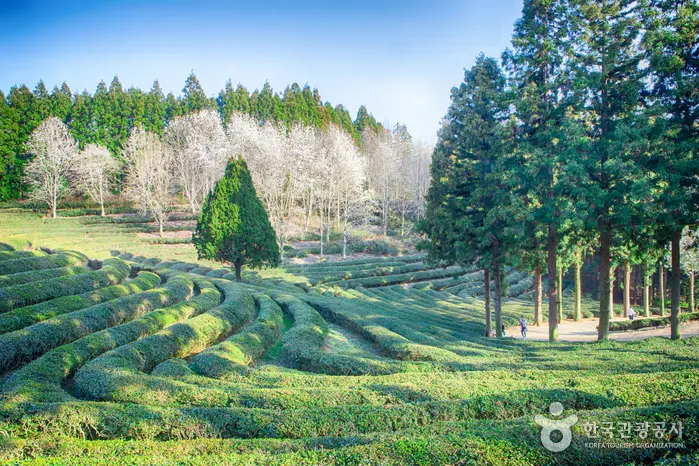
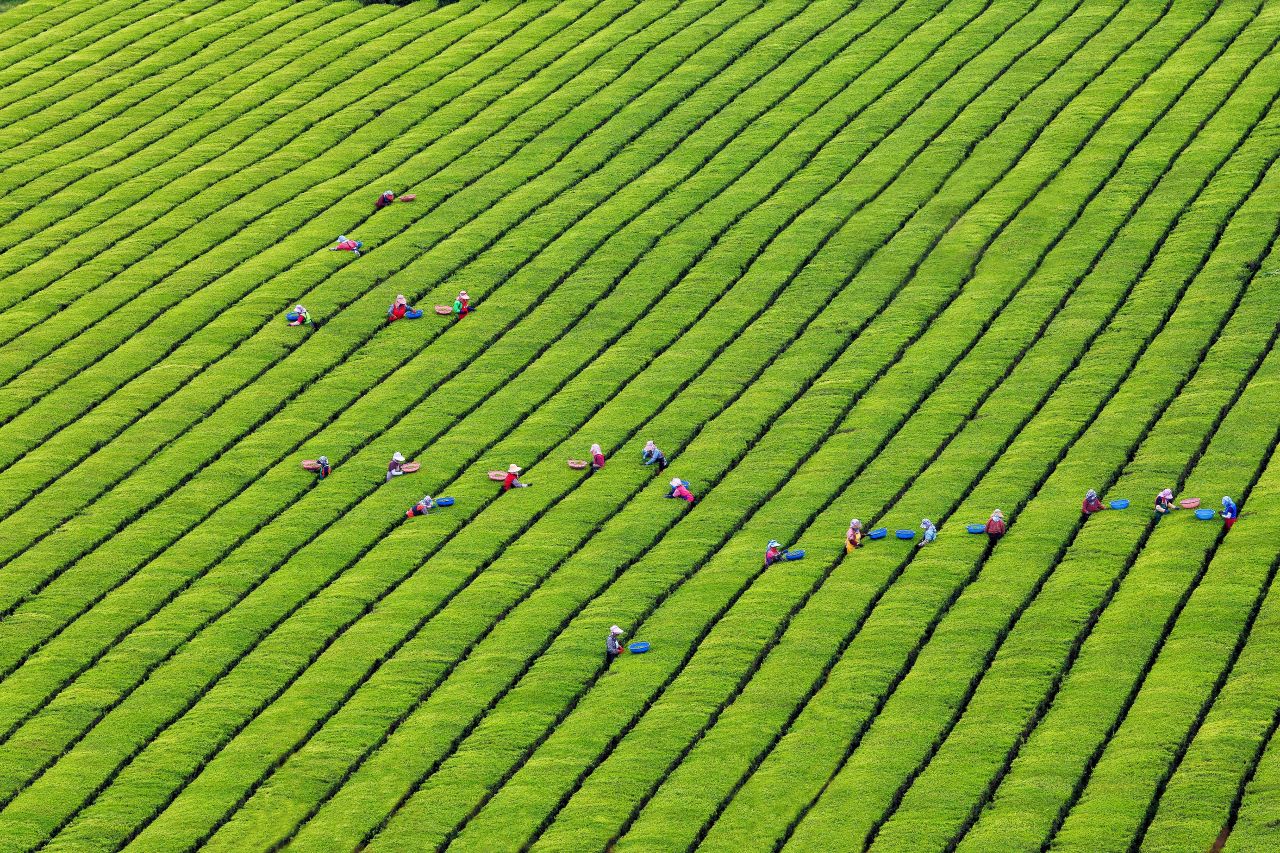
Daehan Dawon Tea Plantation produces high-quality green tea and is a popular tourist attraction year-round thanks to the vast rows of tea trees that line the hillside like a deep green carpet. Despite being located on a small peak at just 350 meters above sea level, the observation deck at the summit offers views of the sea on clear days. The entrance to the tea plantation is also lined with tall cedar trees, adding a unique aspect to this plantation. Daehan Dawon Tea Plantation has been featured as a filming site in dramas such as “Summer Scent (2002),” “Legend of the Blue Sea (2017),” and “The Rebel (2017).”
Why Daehan Dawon Tea Plantation (대한다원) matters

What Makes Daehan Dawon a Unique Tea Experience?
A visit to Daehan Dawon would be incomplete without indulging in the on-site tea-tasting service. Here, knowledgeable staff guide you through the nuances of different green teas produced at the plantation.
The best times to visit Daehan Dawon for optimal scenery are during the spring (April-May) and summer (June-August) months when the tea fields are at their most vibrant green. However, autumn also offers a unique charm with milder weather and the changing hues of the landscape.
Daehan Dawon is located in Boseong, which is accessible by bus from major cities like Seoul, Busan, and Gwangju. From Boseong train station or bus terminal, local buses or taxis can take you directly to the plantation.
Official visitor information
Official address: 763-65, Nokcha-ro, Boseong-gun, Jeonnam-Gwangju Special Metropolitan City.
Official visiting hours: March-October 09:00-18:00 / November-February 09:00-17:00.
Official closure information: N/A (Open all year round ).
Parking: Available 06:00-19:00 · * Vans and larger vehicles should use the parking lot for buses..
Official information contact: • 1330 Travel Hotline: +82-2-1330 · (Korean, English, Japanese, Chinese) · • For more info: +82-61-852-4540.
How to use this guide
Use the official information above as the planning baseline. Opening arrangements, programs, admission conditions, and access rules can change after this review. Follow the official source links before traveling, especially when your visit depends on a particular exhibition, performance, seasonal activity, or facility.
The remaining recommendations on this page are editorial guidance for understanding the setting and organizing a visit. They are not a substitute for instructions issued by the venue, local government, cultural-property authority, or transport operator.
Responsible visit checklist
Before leaving
- Open the official venue page and confirm the latest operating notice.
- Check weather and transport conditions on the day of travel.
- Respect residential, religious, ecological, and cultural-property rules where applicable.
- Allow flexibility rather than relying on an exact minute-by-minute schedule.
- Use the official information contact when accessibility or reservation details are essential.
Where is Daehan Dawon Tea Plantation (대한다원)?
763-65, Nokcha-ro, Boseong-gun, Jeonnam-Gwangju Special Metropolitan City
Where should I confirm current hours and closures?
Use the official source links in the reviewed-for-accuracy panel on this page.
When was this information checked?
The reviewed-for-accuracy panel shows the latest human review date and source record.