Seasonal
"A village school on a hillside?"... Changnyeong's Dongsan Seodang, a 17th-century Confucian haven
Discover Dongsan Seodang, a remarkably preserved Joseon-era Confucian academy in Changnyeong. Explore its historic buildings and understand the foundational role of seodang in Korean education.
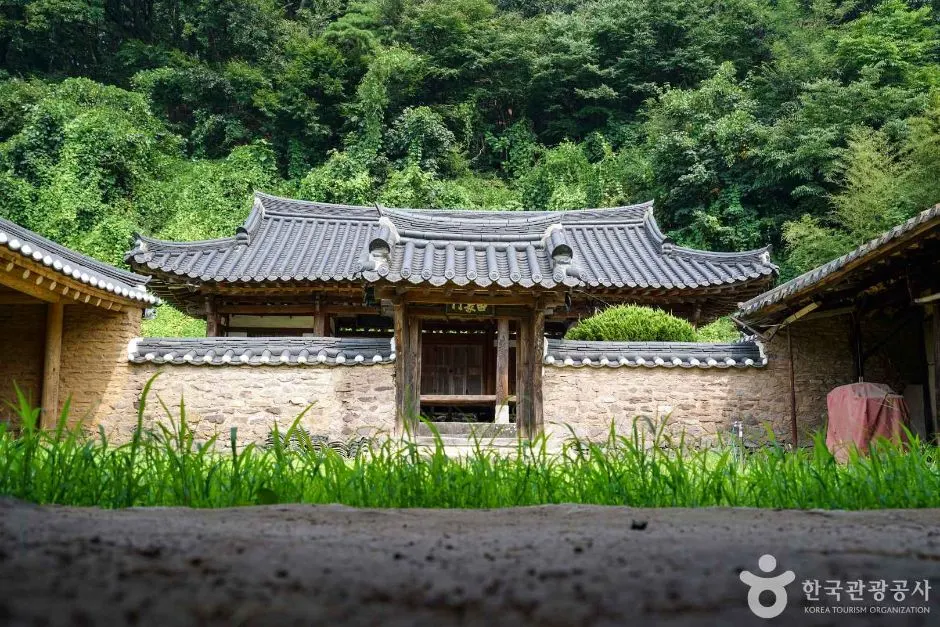
Imagine stepping back to the Joseon Dynasty, where the foundations of Korean scholarship were laid in humble settings. Dongsan Seodang in Changnyeong offers just that, a glimpse into a 17th-century Confucian academy preserved on its original hillside site. This modest compound, with its enduring structures and tranquil atmosphere, stands as a testament to a simpler, yet profound, era of learning.
The Enduring Legacy of Dongsan Seodang
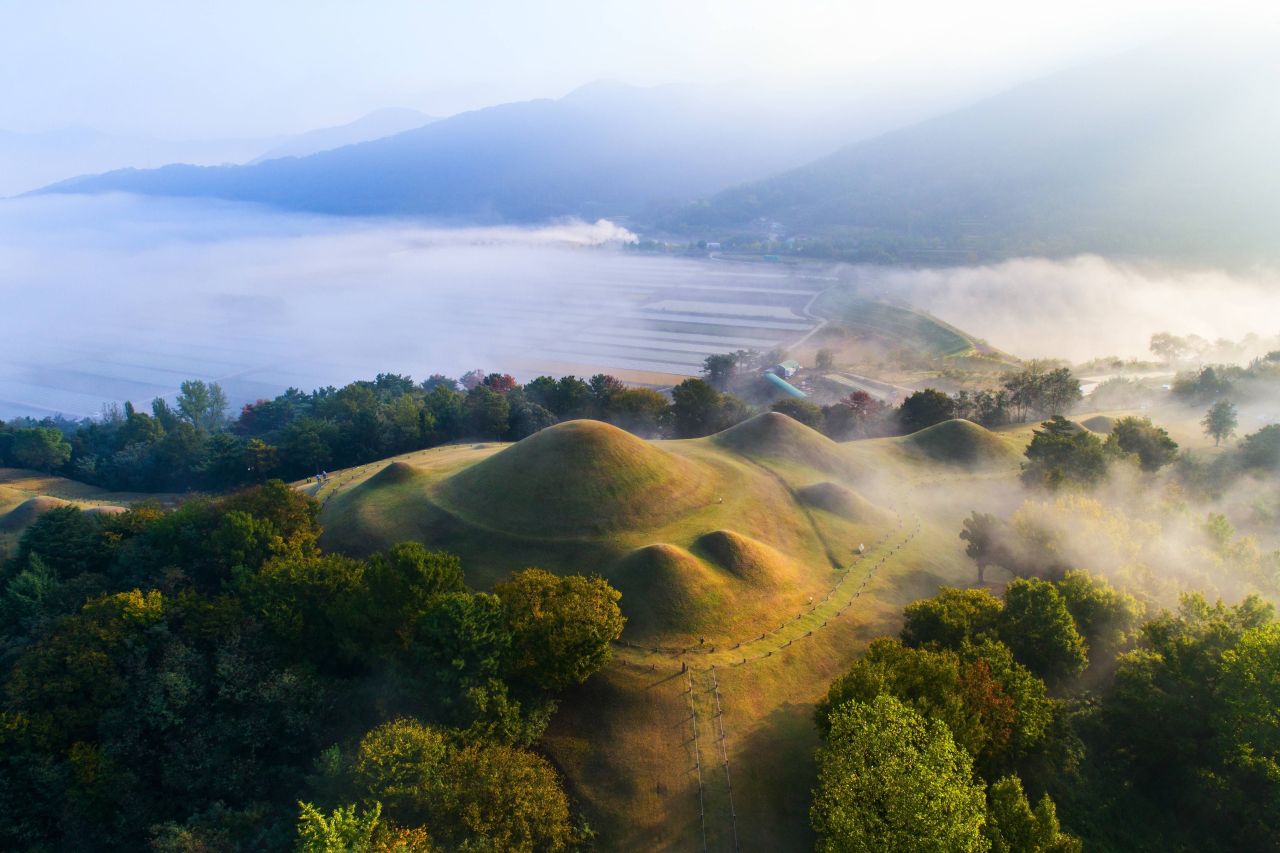
Dongsan Seodang, nestled in the serene landscape of Changnyeong, is more than just an old building; it's a portal to the past. Established during the Joseon Dynasty, it served as a 'seodang,' a private academy focused on foundational Confucian education.
Unlike the more formal and higher-level 'seowon' or 'hyanggyo,' seodang were community-based institutions primarily for young boys to learn the Four Books and the Five Classics, essential texts for any aspiring scholar.
What makes Dongsan Seodang particularly significant is its remarkable state of preservation. The academy stands on the very hillside where it was founded, retaining its original 17th-century structures.
This includes the main lecture hall (ganghak dang), the library (seogak), and student dormitories (dongjae). These buildings, constructed with the traditional architectural styles of the era, offer a tangible connection to the daily lives and educational practices of Joseon scholars.
A Glimpse into Joseon Educational Philosophy

The seodang system was the bedrock of Confucian education in Korea for centuries. These local academies were accessible and crucial for disseminating classical learning throughout society.
Dongsan Seodang exemplifies this role, providing a space where the fundamental principles of Confucianism were taught, fostering moral character and intellectual development from a young age. The curriculum typically focused on memorization and recitation, laying the groundwork for further studies.
The architectural design of Dongsan Seodang reflects its purpose and philosophy. The compound is intentionally modest, featuring a single courtyard embraced by low-lying buildings.
Surrounding the structures are ancient pine trees, which not only add to the aesthetic beauty but also contribute to the tranquil and contemplative atmosphere deemed essential for study. This understated elegance underscores the seodang's identity as a communal learning space rather than an elite institution.
Exploring the Historic Grounds

A visit to Dongsan Seodang offers a peaceful retreat and an educational journey. As you walk through the grounds, you can almost hear the echoes of young scholars reciting their lessons.
The main lecture hall, where classes were held, evokes a sense of academic rigor. Adjacent to it, the library would have housed crucial texts, and the dormitories would have been the humble abode for students who often came from surrounding villages.
The preservation of these specific elements—lecture hall, library, and dormitories—allows visitors to understand the complete ecosystem of a Joseon-era seodang. It wasn't just about the lessons; it was about community, discipline, and the shared pursuit of knowledge in a dedicated environment. The surrounding natural beauty further enhances the experience, providing a serene backdrop that has remained largely unchanged for centuries.
Tips for Your Visit to Dongsan Seodang
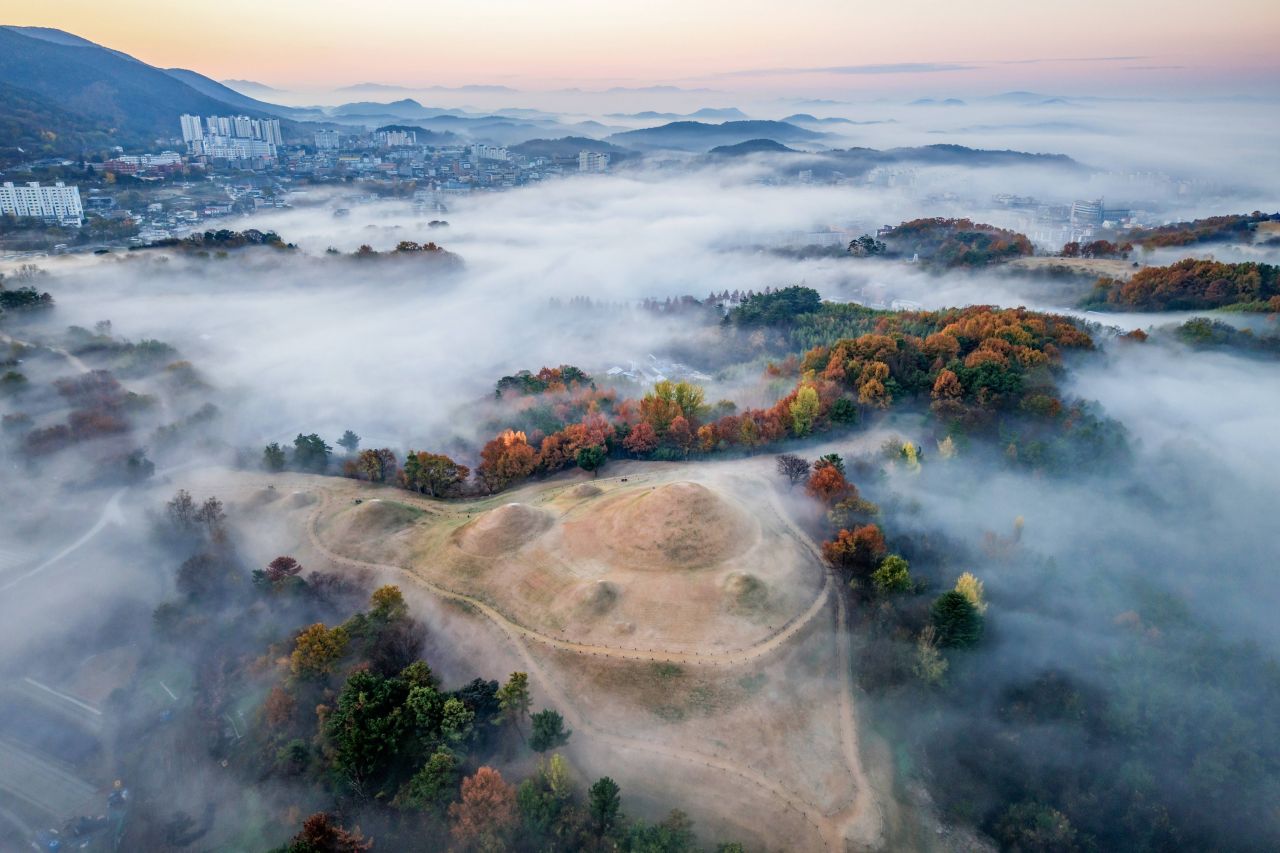
Dongsan Seodang is an ideal destination for those interested in Korean history, traditional architecture, and a quieter side of travel. Admission is typically free, making it an accessible cultural experience. A visit usually takes around 30 minutes to an hour, allowing ample time to explore the grounds and absorb the historical ambiance.
To make the most of your trip, consider combining your visit with other attractions in the Changnyeong area. The renowned Upo Wetlands, a Ramsar site of international importance, is a popular pairing, offering a stark contrast of natural beauty and ecological significance. This combination provides a well-rounded experience of Changnyeong's historical and natural heritage.

Where is Dongsan Seodang located?
Dongsan Seodang is located in Changnyeong-gun, Gyeongsangnam-do, South Korea.
What are the main structures at Dongsan Seodang?
The site preserves the 17th-century lecture hall, library, and student dormitories.
Is there an admission fee?
Admission to Dongsan Seodang is typically free.
What are good nearby attractions?
Upo Wetlands is a highly recommended nearby attraction.
How long does a visit take and how to get there?
A visit typically takes about 30 minutes. Public transport options are limited; driving is recommended.