Itinerary
"Where the past whispers through quiet lanes?"... Gangneung Myeongju-dong, a slow-renovation cultural district
Explore Myeongju-dong, Gangneung's historic heart, where mid-century buildings and traditional houses are reborn as a charming cafe and culture district.
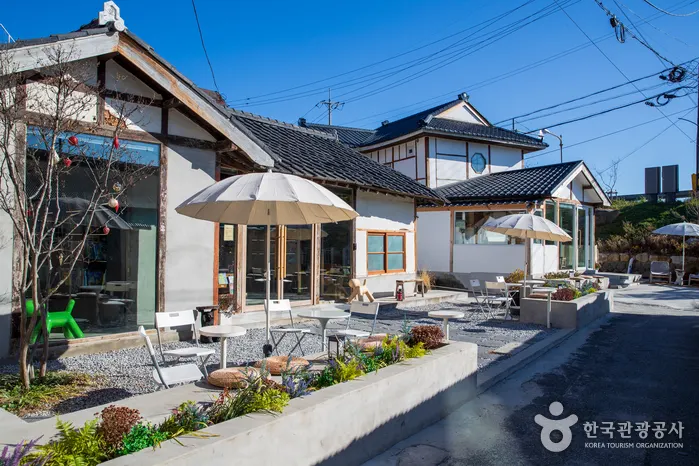
Step into Myeongju-dong and feel the pulse of old Gangneung. This historic district, once characterized by traditional tile-roofed homes and mid-century brick structures, has been thoughtfully revitalized. Rather than succumbing to demolition, most buildings have been preserved and restored, creating a rare and authentic atmosphere from the mid-20th century.
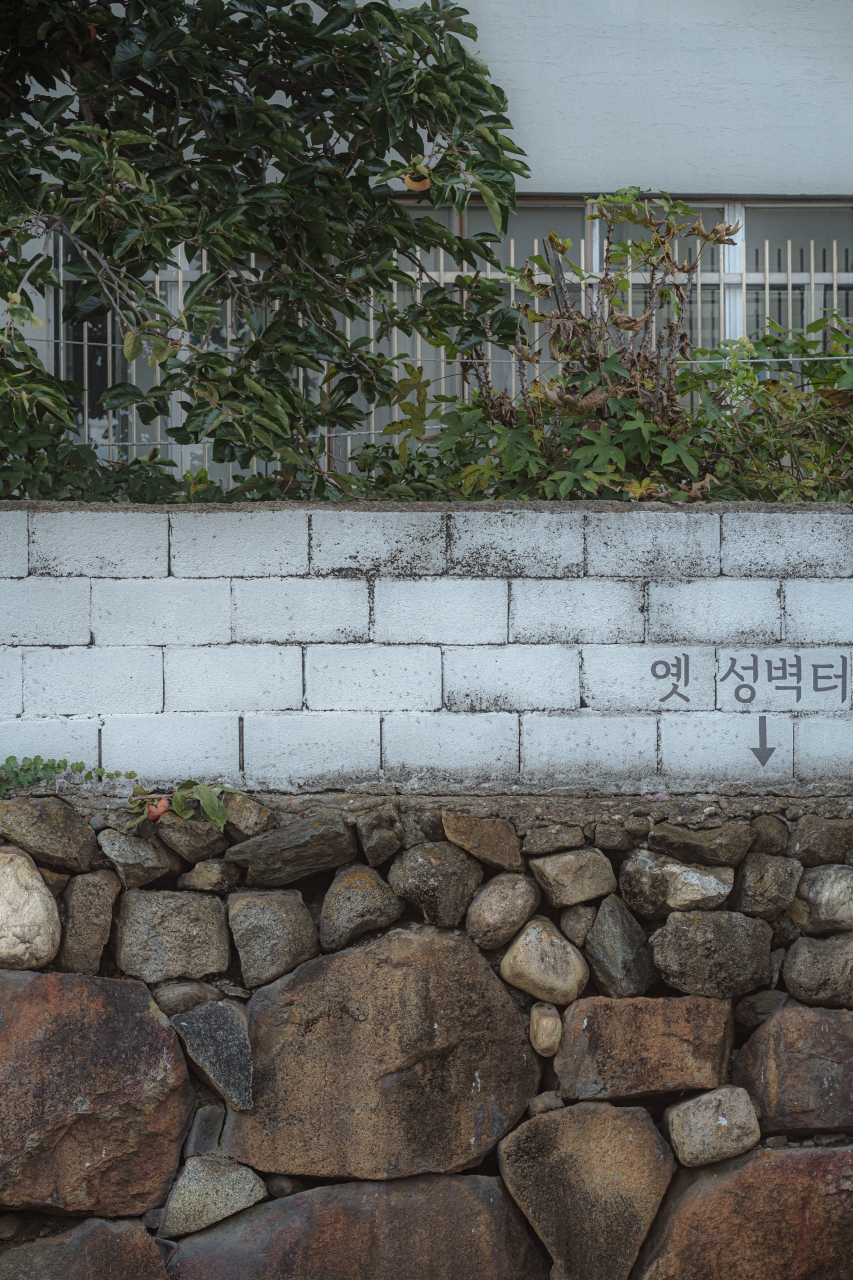
The Enduring Charm of Myeongju-dong's Lanes
Myeongju-dong is more than just a collection of old buildings; it's a living testament to Gangneung's past. Walking through its narrow streets, you'll encounter a unique architectural tapestry.
Traditional Korean houses, with their elegant tiled roofs (giwajip), stand alongside sturdy brick buildings that harken back to the post-war era of the mid-20th century. This blend is not accidental but a result of a conscious 'slow renovation' approach to urban regeneration.
This preservation strategy ensures that the area retains its genuine historical character. Unlike many rapidly modernized districts, Myeongju-dong offers a palpable sense of history. You can almost imagine the lives lived within these walls decades ago. The careful restoration means that the original scale and architectural details are maintained, providing visitors with an unusually authentic glimpse into a bygone era.
A Hub for Independent Culture and Cozy Retreats
The revitalization of Myeongju-dong has transformed it into a vibrant cultural enclave. Independent cafes have sprung up, offering unique brews and cozy atmospheres within beautifully restored spaces.
These aren't chain coffee shops; each one boasts its own distinct personality, often reflecting the history of the building it occupies. You might find yourself sipping a latte in a former residence or enjoying a quiet moment surrounded by exposed brickwork.
Beyond the cafes, the district is dotted with small, independent bookstores, each a treasure trove for bibliophiles. These shops often curate unique selections and provide a peaceful escape from the bustling world outside.
Complementing these are hanok-style guesthouses, offering travelers a chance to stay in beautifully renovated traditional Korean houses. This provides an immersive cultural experience, allowing guests to sleep surrounded by history and traditional aesthetics.
Experiencing the Mid-Century Vibe and Artistic Touches
The defining characteristic of Myeongju-dong is its unadulterated mid-20th-century atmosphere. The architecture, from the rooflines of the traditional houses to the utilitarian design of the brick buildings, evokes a specific time.
This historical authenticity is a rare find, offering a stark contrast to the modern developments often seen in other Korean cities. It’s a place where you can slow down and appreciate the details of the past.
Adding to the district's charm are small art spaces and galleries that have found a home here. These intimate venues often showcase local artists and provide a platform for creative expression. They are seamlessly integrated into the fabric of the neighborhood, further enhancing its cultural appeal. Visiting these spaces offers another layer of discovery, revealing the contemporary artistic spirit thriving within the historical setting.
Tips for Your Myeongju-dong Visit
For the best experience, consider visiting Myeongju-dong on a weekday afternoon. This is when the district is typically less crowded, allowing you to fully appreciate the tranquil atmosphere and soak in the historical ambiance. Weekends can see more visitors, especially if there are local events or markets.
Myeongju-dong is an ideal destination to pair with other Gangneung attractions. Its historical context offers a fascinating contrast to the modern vibe of Gangneung Coffee Street or the seaside scenery of Gyeongpo Beach.
Combining these offers a comprehensive view of Gangneung's evolving identity, from its traditional roots to its contemporary appeal. Consider adding a visit to O죽헌 (Ojukheon House) for a deeper dive into Joseon Dynasty history.
Where is Myeongju-dong located?
Myeongju-dong is in the historic center of Gangneung, Gangwon Province.
What can I see or do in Myeongju-dong?
Explore preserved mid-century buildings, traditional houses, independent cafes, bookstores, and small art spaces.
Is there an admission fee for Myeongju-dong?
There is no general admission fee to walk around the district.
What nearby attractions can I pair with Myeongju-dong?
Pair with Gangneung Coffee Street, Gyeongpo Beach, and Ojukheon House for a varied experience.
How can I best experience Myeongju-dong?
Visit on a weekday afternoon for a quieter, more authentic atmosphere. Many cafes and shops offer unique experiences.