Seasonal
"The Repository of Buddhist Wisdom?"... Haeinsa Temple, Hapcheon's Sacred Mountain Sanctuary
Explore Haeinsa, a UNESCO site in Hapcheon, home to the Tripitaka Koreana and centuries of Buddhist history.
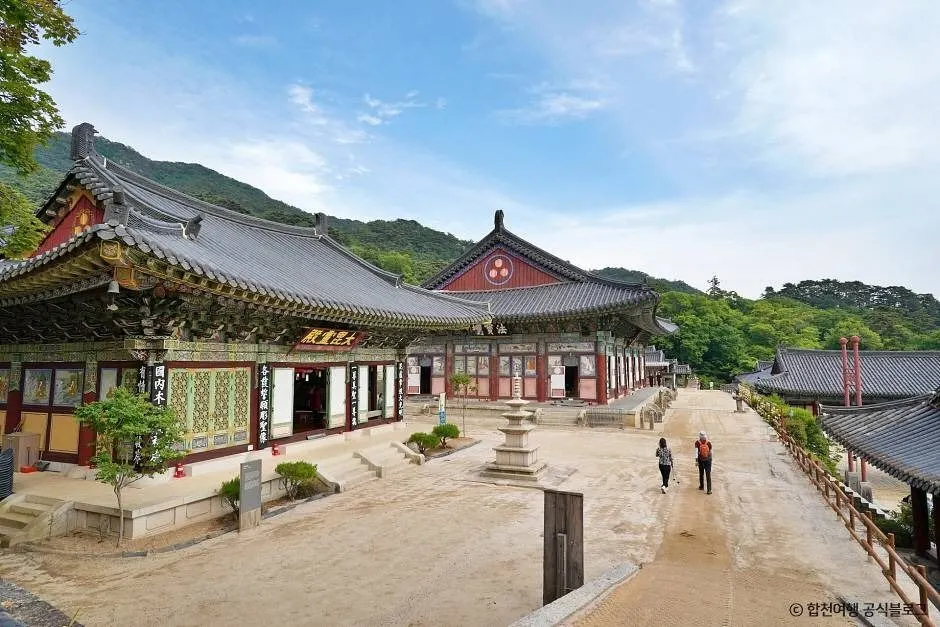
Nestled within the verdant embrace of Gayasan National Park lies Haeinsa, a temple steeped in over a millennium of history and spiritual significance. Founded in 802, it stands as one of Korea's three premier Buddhist temples and proudly holds its status as a UNESCO World Heritage Site. Its fame rests not only on its architectural beauty but, more importantly, on its role as the guardian of the Tripitaka Koreana, an unparalleled collection of Buddhist scriptures carved onto more than 81,000 wooden blocks.
Haeinsa's Enduring Legacy: The Tripitaka Koreana

The heart of Haeinsa's global acclaim is undoubtedly the Tripitaka Koreana, a monumental achievement of Korean artistry and devotion. This vast collection of Buddhist scriptures, comprising 81,137 woodblocks, represents one of the most comprehensive and accurate compilations of Buddhist teachings in existence. The meticulous carving process, undertaken during the Goryeo Dynasty (1236-1251) to invoke divine aid against Mongol invasions, showcases an extraordinary level of craftsmanship and dedication.
Each block, meticulously prepared from birch and alder wood, measures approximately 24 centimeters by 70 centimeters and is about 2.6 centimeters thick, weighing around 3 kilograms.
What makes the preservation of the Tripitaka Koreana at Haeinsa particularly remarkable is the ingenuity of the Janggyeong Panjeon, the repository buildings designed specifically for its storage. These structures, themselves designated as a National Treasure, are architectural marvels that have protected the wooden blocks from the ravages of time, humidity, and pests for centuries.
The ventilation system, precise temperature and humidity control through strategically placed windows and vents, and the use of natural materials demonstrate a sophisticated understanding of preservation techniques that still fascinate experts today. Visiting these halls offers a tangible connection to a pivotal moment in Buddhist history and Korean cultural heritage.
A Tapestry of Tradition: Temple Architecture and Serenity

Beyond the Tripitaka Koreana, Haeinsa itself is a testament to traditional Korean Buddhist temple architecture. Founded by Monks Suneung and Ijeong during the Silla Dynasty, the temple complex has evolved over centuries, with many structures dating back to the Joseon Dynasty.
As you wander through the temple grounds, you'll encounter a harmonious blend of natural beauty and human artistry. The main gate, Haetalmun, welcomes visitors into a series of courtyards, prayer halls, and monastic quarters, each contributing to the temple's serene atmosphere.
Key structures within the complex include the Daejeokgwangjeon, the main sanctuary, which enshrines a magnificent triad of Buddha statues. The Pagoda Garden showcases various stupas, including the elegant stone pagoda believed to house relics of the Buddha.
The monks' living quarters, known as the Seonwon, offer a glimpse into the disciplined daily life of the resident monks. The entire complex is strategically laid out to maximize the stunning views of Gayasan's peaks, creating a tranquil environment conducive to contemplation and spiritual reflection.
Experiencing Haeinsa: More Than Just Sightseeing

A visit to Haeinsa offers a multifaceted experience that goes beyond mere sightseeing. For those seeking a deeper connection, the temple often provides opportunities for Temple Stay programs. These programs allow visitors to immerse themselves in the monastic lifestyle, participate in meditation sessions (seon), learn Buddhist chanting, and experience the simple, mindful routines of monks.
It's a unique chance to disconnect from the hustle of modern life and find inner peace amidst the temple's tranquil surroundings. Reservations are typically required, and programs vary seasonally.
Walking the temple grounds themselves is a therapeutic experience. The paths wind through ancient trees, past smaller hermitages, and offer breathtaking vistas of the surrounding mountains. The air is often filled with the gentle sound of wind chimes and the distant chanting of monks.
Consider visiting during spring for the blossoming azaleas and cherry blossoms, or in autumn when the foliage turns brilliant shades of red and gold. The changing seasons paint the landscape with different hues, each offering a unique backdrop to the temple's timeless beauty.
Planning Your Pilgrimage: Practical Visit Tips

Haeinsa is accessible by public transportation, though it requires a transfer. From major cities like Seoul or Busan, you can take an intercity bus to Hapcheon Bus Terminal. From there, local buses (typically routes 240 or 242) run regularly to Haeinsa Temple.
The journey from Hapcheon Terminal to the temple takes approximately 40-50 minutes. Driving is also an option, with ample parking available near the temple entrance. Consider visiting on a weekday to avoid larger crowds, especially during peak seasons.
Admission fees are typically modest, covering access to the temple grounds and the museum displaying artifacts related to the Tripitaka Koreana. While the Janggyeong Panjeon themselves are accessible, special guided tours might offer deeper insights into their construction and the preservation techniques.
Check the official Haeinsa website or inquire at the information center for the latest details on opening hours, admission fees, and any special events or restrictions. Comfortable walking shoes are highly recommended, as you will be doing a considerable amount of walking.

Where is Haeinsa Temple located?
Haeinsa is located in Gaya-myeon, Hapcheon-gun, Gyeongsangnam-do, within Gayasan National Park.
What is the main attraction at Haeinsa?
The main attraction is the Tripitaka Koreana, a collection of over 81,000 Buddhist scripture woodblocks, housed in the Janggyeong Panjeon buildings.
What is the admission fee for Haeinsa?
Admission fees are generally low. It's best to check the official website for current prices.
What can be visited near Haeinsa?
Nearby attractions include Gayasan National Park itself, and other temples or local cultural sites in Hapcheon.
How can I get to Haeinsa Temple?
Take an intercity bus to Hapcheon Bus Terminal, then a local bus (e.g., 240 or 242) to the temple.