Itinerary
"A Glimpse into Joseon Rural Life?"... Hanbam Village, Daegu's Preserved Folk Heritage
Step back in time at Hanbam Village, a traditional folk settlement near Daegu, offering a serene journey through Joseon-era architecture and rural life.
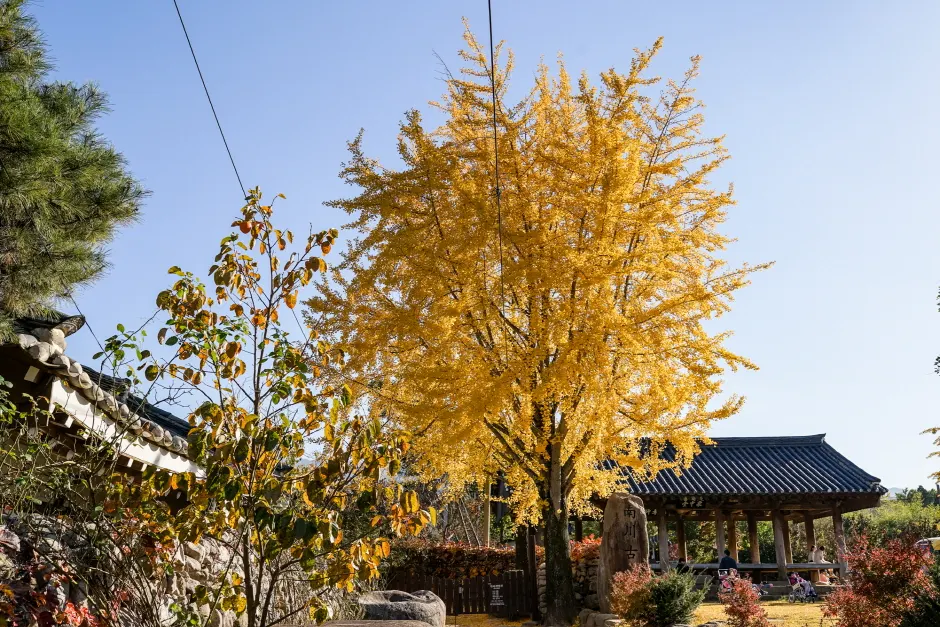
Hanbam Village offers a rare window into the past, a quiet enclave where the rhythms of Joseon-era rural life are still palpable. Nestled amidst the picturesque countryside near Daegu, this traditional folk village invites visitors to wander through its stone-walled lanes and admire the enduring beauty of its hanok structures. It stands as a testament to Korea's architectural heritage, providing an authentic glimpse into a bygone era for those seeking a deeper connection with the nation's history.

The Enduring Charm of Hanbam Village's Architecture
Hanbam Village's primary allure lies in its remarkably preserved traditional architecture, a living museum of Joseon dynasty rural settlements. The village is characterized by its low, sturdy stone walls that delineate property lines and pathways, a common feature in traditional Korean countryside villages designed for both demarcation and defense against the elements.
These walls, weathered by time, lend an immediate sense of authenticity and historical depth to the surroundings, creating a visual narrative of generations past.
Interspersed with the stone walls are the classic hanok houses, traditional Korean dwellings built with natural materials. These structures typically feature wooden frames, tiled or thatched roofs, and ondol (underfloor heating) systems, all designed to harmonize with the natural environment.
Observing the craftsmanship, from the intricate joinery of the wooden beams to the graceful curve of the eaves, provides insight into the aesthetic sensibilities and practical ingenuity of the period. The overall layout follows a typical rural village pattern, emphasizing a close-knit community structure.
What Makes Hanbam Village a Unique Historical Experience?
Unlike more heavily curated or reconstructed historical sites, Hanbam Village retains an organic, lived-in feel. Its charm is not in grand palaces or bustling marketplaces, but in the subtle details of everyday life from centuries ago.
The narrow, winding alleyways are perhaps the village's most defining feature, inviting slow exploration and discovery. Walking these paths, you can almost imagine the daily routines of the villagers, the sounds of their lives echoing through the stone and wood structures.
The village's setting is another crucial element of its appeal. Situated in a rural area near Daegu, it is embraced by the natural landscape of fields and gentle hills.
This natural backdrop is not merely a scenic addition; it is integral to understanding the village's historical context. Rural settlements were deeply intertwined with agriculture and the surrounding environment, and Hanbam Village's location underscores this connection, offering a peaceful contrast to urban environments and highlighting a more sustainable, community-focused way of life.
Experiencing the Village Atmosphere
A visit to Hanbam Village is best undertaken at a leisurely pace. The main activity is simply walking through the village, allowing yourself to become immersed in its tranquil atmosphere.
Take time to appreciate the textures of the stone walls, the warmth of the wooden architecture, and the quietude that pervades the narrow lanes. It's an opportunity for reflection, to ponder the continuity of Korean culture and the enduring spirit of its rural communities.
While the village itself is the primary attraction, its surrounding countryside also offers opportunities for gentle exploration. Depending on the season, you might see rice paddies reflecting the sky or fields of local crops.
This connection to the agricultural landscape provides a fuller understanding of the village's historical role and the self-sufficient lifestyle it represents. It's a chance to experience a different facet of Korean heritage, one deeply rooted in the land.
Tips for Your Visit to Hanbam Village
Hanbam Village is best explored on foot, so comfortable walking shoes are essential. The narrow alleyways can be uneven, and the terrain is gently sloped in places.
While there are no specific opening hours as it is an open village, visiting during daylight hours is recommended to fully appreciate the architecture and the surrounding scenery. Weekdays might offer a quieter experience compared to weekends, especially if you seek a more contemplative visit.
Consider visiting during the spring or autumn for the most pleasant weather and scenic beauty. Spring brings blooming wildflowers and fresh greenery, while autumn offers vibrant foliage.
There are limited facilities within the village itself, so it’s advisable to bring water and any snacks you might need. The village offers an authentic, peaceful experience, so remember to be respectful of the residents and the historical integrity of the site.
For travelers interested in Korean traditional culture and architecture, Hanbam Village provides an invaluable and serene experience. Its preserved Joseon-era layout and rustic charm offer a compelling alternative to more crowded tourist destinations, allowing for a genuine connection with Korea's historical rural life.
Where is Hanbam Village located?
Hanbam Village is situated in the rural outskirts of Daegu, South Korea.
What are the main attractions within the village?
The village's main attractions are its traditional hanok houses, stone walls, and narrow alleyways, preserving Joseon-era rural architecture.
Is there an admission fee to enter Hanbam Village?
As an open folk village, there is typically no admission fee to explore Hanbam Village.
What are good places to visit near Hanbam Village?
Consider nearby Daegu attractions such as Donghwasa Temple or exploring the city's modern culture.
How can I best experience Hanbam Village?
Wear comfortable shoes for walking the narrow lanes and visit during daylight for the best experience.