Seasonal
Manhyujeong Pavilion Visitor Guide — Location, History & Features
Discover Manhyujeong Pavilion, a hidden gem in Gyeongsangbuk-do. This Joseon-era structure offers stunning natural beauty and architectural tranquility, especially in autumn.
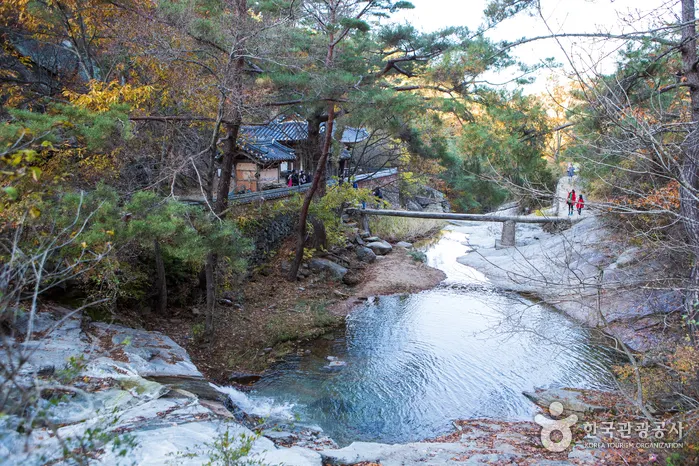
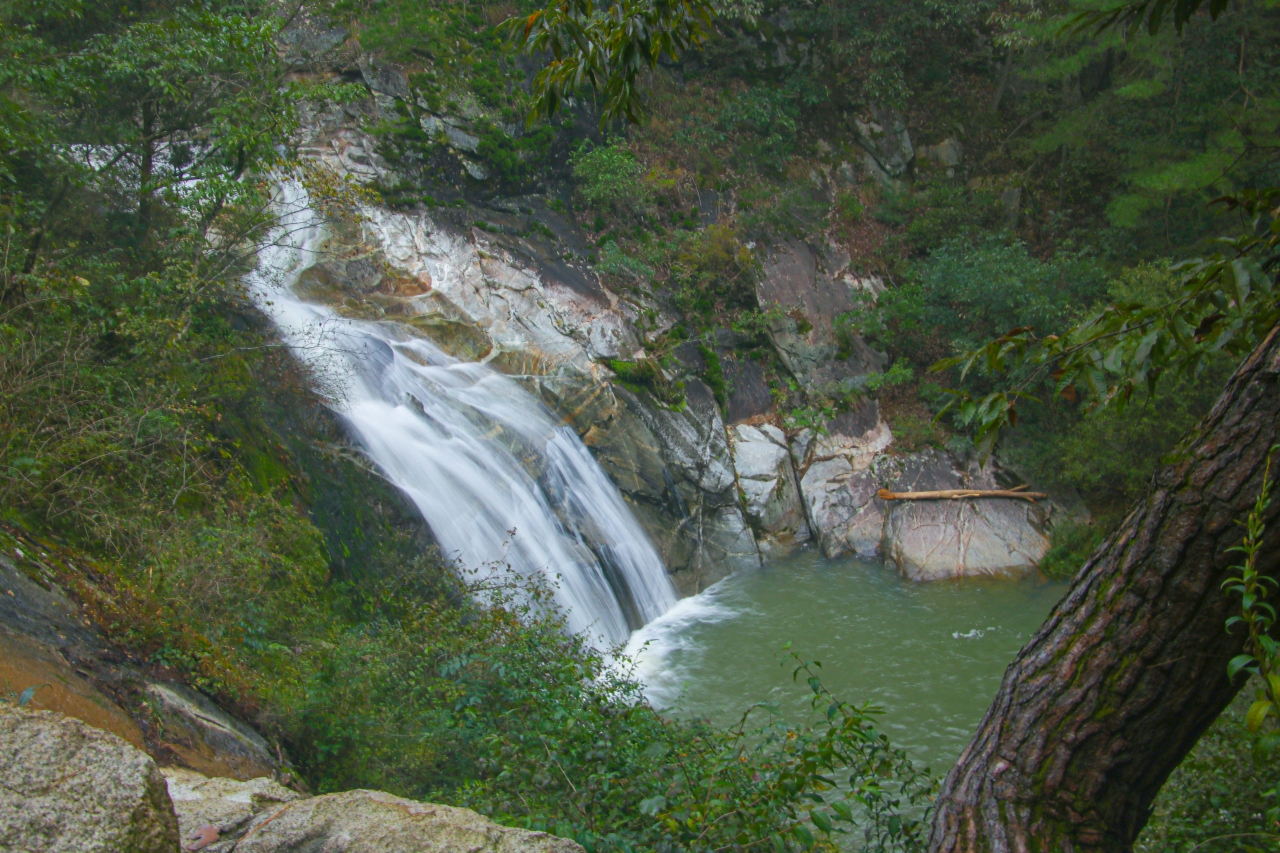
Manhyujeong Pavilion is the pavilion of Bobaekdang Kim Gye-haeng and was built in 1500. The present building shows a modified appearance through remodeling, and only a part shows the style of the late Joseon dynasty. Kim Gye-haeng was a civil servant in the early Joseon dynasty and held various government posts. However, when he met the tyranny of Yeonsangun, he abandoned the government post and returned to his hometown. After that, a small pavilion was built along Seolmot (currently Sosan 2-ri), but since it was next to the road, he built Manhyujeong Pavilion in a quieter place. If you cross the stream from Mukgyeseowon Confucian Academy and enter the mountain, you can find it located in a magnificent valley that faces southeast and has a waterfall flowing over the rocks.◎ Travel information to meet Hallyu’s charm - variety show"I Am Solo"This is another famous site in Andong that was featured in Season 16 of “I Am Solo.” The Manhyujeong pavilion, which awaits visitors alone in a peaceful forest, and the log bridge, which is the only path leading to the pavilion, seem to represent the participants' feelings.
Why Manhyujeong Pavilion matters
Manhyujeong Pavilion's Enduring Charm
Manhyujeong Pavilion, meaning ' Pavilion of Ten Thousand Joys,' was constructed during the Joseon period. It served as a scholarly retreat and a place of repose for officials and intellectuals.
Unlike more popular tourist destinations, Manhyujeong Pavilion retains a sense of seclusion. Its location deep within a Gyeongsangbuk-do valley means fewer crowds, even during peak seasons.
The approach to the pavilion is itself an integral part of its charm. A narrow, unassuming stone bridge spans the stream, leading directly to the pavilion's entrance.
The best time to visit Manhyujeong Pavilion for its visual splendor is undoubtedly autumn, typically from late October to early November, when the foliage is at its peak. However, its natural beauty is present year-round, offering a more subdued charm in other seasons. Consider visiting on a weekday or early in the morning to ensure the most peaceful experience, as its popularity has grown.
Official visitor information
Official address: 42 Mukgyehari-gil, Giran-myeon, Andong-si, Gyeongsangbuk-do.
Official visiting hours: Wed–Thu 10:00~16:30 / Fri–Mon 10:00~17:00 / Closed every Tuesday.
Official closure information: N/A (Open all year round).
Parking: Not available.
Official information contact: Gyeongsangbuk-do Tourist Information Center: +82-54-852-6800+82-10-9930-0313.
How to use this guide
Use the official information above as the planning baseline. Opening arrangements, programs, admission conditions, and access rules can change after this review. Follow the official source links before traveling, especially when your visit depends on a particular exhibition, performance, seasonal activity, or facility.
The remaining recommendations on this page are editorial guidance for understanding the setting and organizing a visit. They are not a substitute for instructions issued by the venue, local government, cultural-property authority, or transport operator.
Responsible visit checklist
Before leaving
- Open the official venue page and confirm the latest operating notice.
- Check weather and transport conditions on the day of travel.
- Respect residential, religious, ecological, and cultural-property rules where applicable.
- Allow flexibility rather than relying on an exact minute-by-minute schedule.
- Use the official information contact when accessibility or reservation details are essential.
Where is Manhyujeong Pavilion?
42 Mukgyehari-gil, Giran-myeon, Andong-si, Gyeongsangbuk-do
Where should I confirm current hours and closures?
Use the official source links in the reviewed-for-accuracy panel on this page.
When was this information checked?
The reviewed-for-accuracy panel shows the latest human review date and source record.