Seasonal
Hwadam Botanic Garden Visitor Guide — Autumn Scenery & Attractions
Explore Hwadam Botanic Garden, a sprawling 1.6 million m² sanctuary in Gyeonggi-do, celebrated for its themed zones and vibrant seasonal beauty.
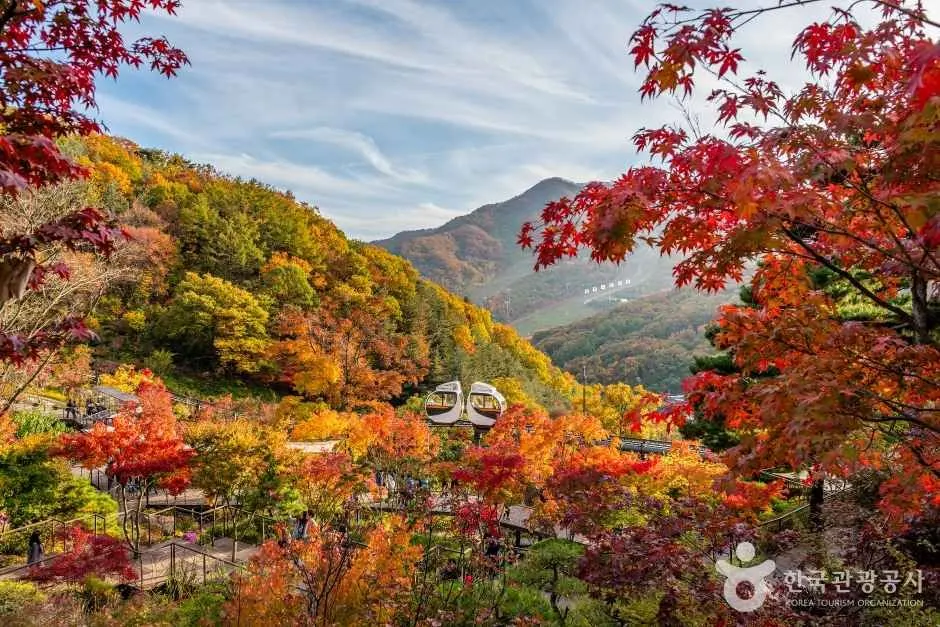
Hwadam Botanic Garden is an eco-friendly arboretum located within Konjiam Resort in Gwangju, Gyeonggi-do, a 40-minute drive away from Seoul. In an effort to revive the country's forest ecosystem, LG Evergreen Foundation brought in approximately 4,300 types of exquisite and domestic plants to form a forest park divided into 17 themes. "Hwadam" can be translated into "friendly communication," a name given to the forest in hopes that the area serves as means for people to communicate with nature. While the forest is designed to offer an environmentally friendly atmosphere to humans, the ecosystem and habitats of the forest are well-preserved, serving as a home to many living species.
Why Hwadam Botanic Garden matters

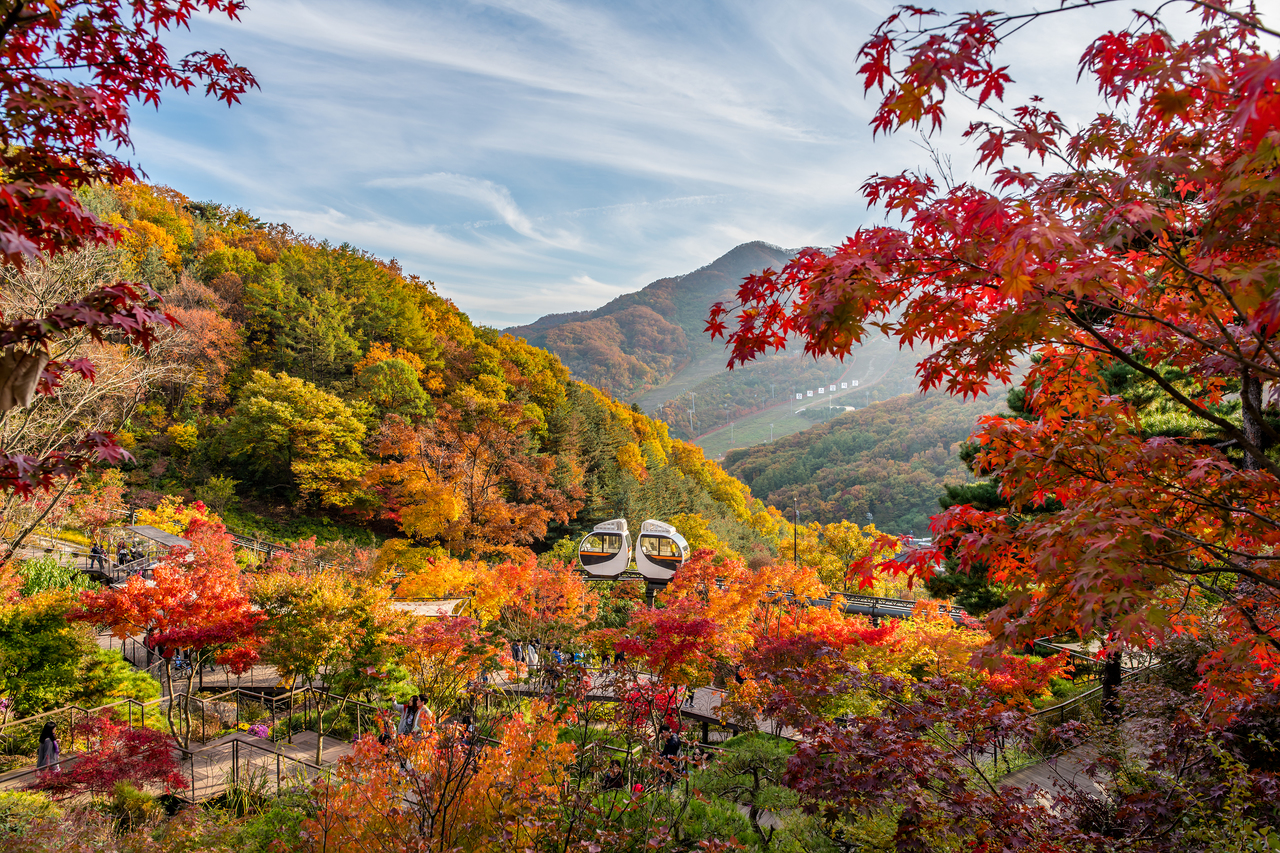
Hwadam Botanic Garden is more than just a collection of plants; it's a testament to the harmonious integration of cultivated landscapes within a natural setting. Spread across the undulating terrain of Mt.
Navigating the expansive grounds of Hwadam Botanic Garden is made convenient and enjoyable through its well-integrated infrastructure. The most prominent feature is the monorail system, designed to traverse the garden's length without requiring visitors to undertake the full walking circuit.
The combination of the monorail and walking trails ensures that Hwadam Botanic Garden is accessible and enjoyable for all types of visitors, from leisurely strollers to dedicated hikers.
Official visitor information
Official address: 278-1 Docheogwit-ro, Gwangju-si, Gyeonggi-do.
Official visiting hours: 09:00-18:00 (last admission 17:00) · *Online reservation is required · * Hours subject to change depending on season and weather; refer to website for details.
Official closure information: Mondays.
Parking: Available.
Official information contact: +82-31–8026–6666.
How to use this guide
Use the official information above as the planning baseline. Opening arrangements, programs, admission conditions, and access rules can change after this review. Follow the official source links before traveling, especially when your visit depends on a particular exhibition, performance, seasonal activity, or facility.
The remaining recommendations on this page are editorial guidance for understanding the setting and organizing a visit. They are not a substitute for instructions issued by the venue, local government, cultural-property authority, or transport operator.
Responsible visit checklist
Before leaving
- Open the official venue page and confirm the latest operating notice.
- Check weather and transport conditions on the day of travel.
- Respect residential, religious, ecological, and cultural-property rules where applicable.
- Allow flexibility rather than relying on an exact minute-by-minute schedule.
- Use the official information contact when accessibility or reservation details are essential.
Where is Hwadam Botanic Garden?
278-1 Docheogwit-ro, Gwangju-si, Gyeonggi-do
Where should I confirm current hours and closures?
Use the official source links in the reviewed-for-accuracy panel on this page.
When was this information checked?
The reviewed-for-accuracy panel shows the latest human review date and source record.