Seasonal
Seogwang Tea Garden Visitor Guide — Volcanic Vistas & Verdant Escape
Discover Seogwang Tea Garden, a working tea plantation on Jeju Island. Experience tea cultivation, enjoy scenic views, and find tranquility.
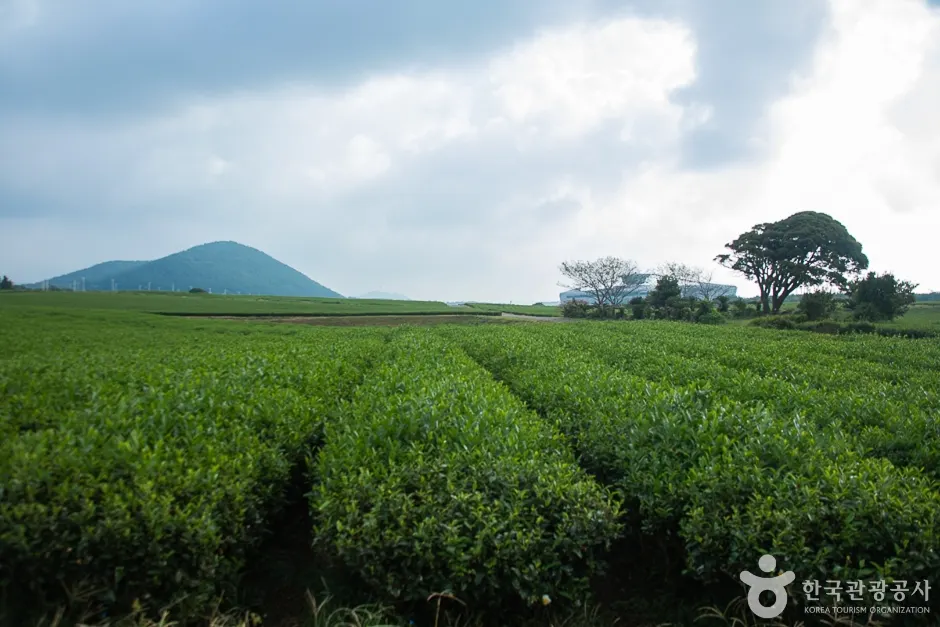
Seogwang Tea Garden, located in Seogwipo-si, Jeju, is known as the most well managed and largest tea plantation in Korea. Here, the tea leaves receive just the right amount of sun for it to be made into the highest quality product. Occupying an area 528,928m², the green field is spread out across the slopes of Seogwangseo-ri, attracting many visitors to the site. The fields didn't use to be this green though; the ground was rocky and the soil composition wasn't fertile enough for plants to survive. Seogwang Tea Garden's transformation from a barren land to a lush green plantation became a good example of successful agriculture in the mountain areas. The garden was also where Kim Jeong-hui (pen name Chusa), one of the most celebrated practitioners of calligraphy in the Joseon dynasty, spent his life of exile growing tea plants.
Why Seogwang Tea Garden matters
Unlike manicured tourist spots, Seogwang Tea Garden retains a sense of purpose, showing visitors the real work that goes into producing the high-quality green tea Jeju is known for. The volcanic soil, rich in minerals, imparts a unique character to the tea leaves, contributing to the distinct flavor profile that enthusiasts seek.
The primary draw of Seogwang Tea Garden is its immersive approach to experiencing tea culture. Visitors are not just passive observers; they are encouraged to engage directly with the environment.
The most direct way to connect with the garden's produce is through the on-site café. Here, you can sample a variety of freshly brewed green teas, often made from leaves harvested directly from the surrounding fields.
Official visitor information
Official address: 15 Sinhwayeoksa-ro, Andeok-myeon, Seogwipo-si, Jeju-do.
Official visiting hours: Summer 09:00-19:00 / Winter 09:00-18:00.
Official closure information: N/A (Open all year round).
Parking: Available.
Official information contact: +82-64-794-5312.
How to use this guide
Use the official information above as the planning baseline. Opening arrangements, programs, admission conditions, and access rules can change after this review. Follow the official source links before traveling, especially when your visit depends on a particular exhibition, performance, seasonal activity, or facility.
The remaining recommendations on this page are editorial guidance for understanding the setting and organizing a visit. They are not a substitute for instructions issued by the venue, local government, cultural-property authority, or transport operator.
Responsible visit checklist
Before leaving
- Open the official venue page and confirm the latest operating notice.
- Check weather and transport conditions on the day of travel.
- Respect residential, religious, ecological, and cultural-property rules where applicable.
- Allow flexibility rather than relying on an exact minute-by-minute schedule.
- Use the official information contact when accessibility or reservation details are essential.
Where is Seogwang Tea Garden?
15 Sinhwayeoksa-ro, Andeok-myeon, Seogwipo-si, Jeju-do
Where should I confirm current hours and closures?
Use the official source links in the reviewed-for-accuracy panel on this page.
When was this information checked?
The reviewed-for-accuracy panel shows the latest human review date and source record.