Seasonal
"A subterranean wonderland carved over millennia?"... Hwanseon Cave, Gangwon's majestic limestone labyrinth
Explore Hwanseon Cave, a vast limestone cavern in Gangwon Province, showcasing stunning stalactites, stalagmites, and geological wonders. Discover this underground marvel.
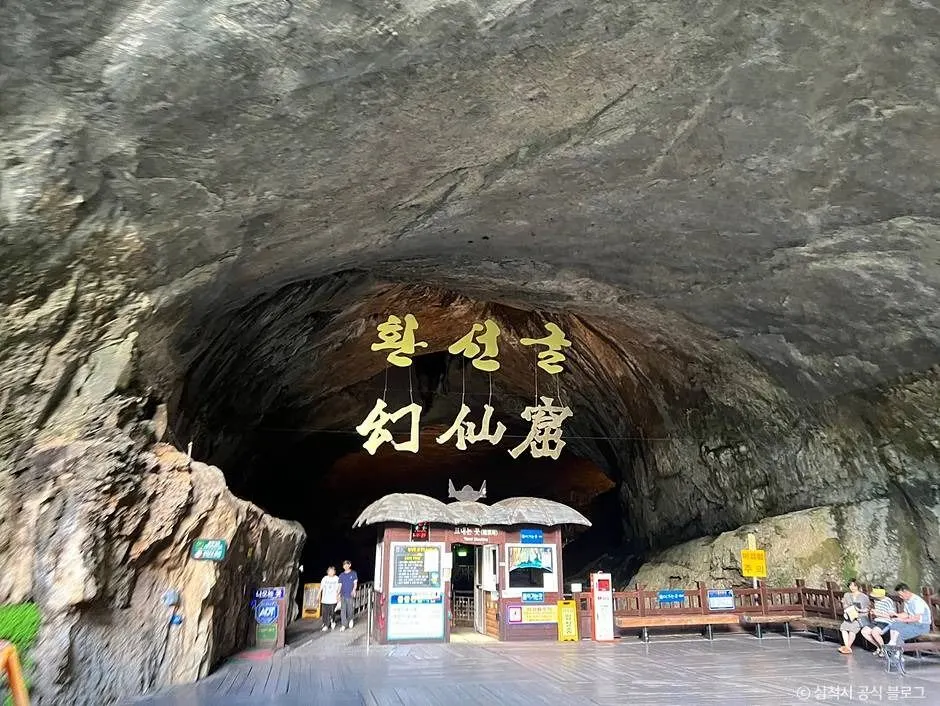
Step into a world sculpted by time and water at Hwanseon Cave, nestled within the Daeiri Cave District of Gangwon Province. This vast limestone cavern, estimated to be over 400,000 years old, invites visitors to witness a breathtaking spectacle of natural formations. Imagine an underground realm where delicate stalactites drip from the ceiling and stoic stalagmites rise from the floor, each a testament to slow, patient geological artistry. The cave offers a unique journey into the earth's hidden beauty, promising a cool, consistent environment regardless of the season outside.

The Majesty of Hwanseon Cave's Formations
Hwanseon Cave is a symphony of geological artistry, primarily composed of limestone, which has been shaped over hundreds of thousands of years by the persistent action of water. This dissolution and re-precipitation process has created an awe-inspiring array of speleothems.
As you walk through the illuminated pathways, your eyes will be drawn to the countless stalactites hanging like icicles from the cave ceiling, formed by water rich in calcium carbonate slowly dripping and depositing minerals. Contrasting these are the stalagmites, which grow upwards from the cave floor, built layer by layer from the mineral-laden water that has fallen.
Beyond the iconic stalactites and stalagmites, Hwanseon Cave boasts a rich tapestry of other formations. Flowstones, resembling frozen waterfalls or delicate draperies, are formed when water flows over slopes or walls, leaving behind thin sheets of calcite. Columns, created when stalactites and stalagmites meet and fuse, stand as solid pillars within the cavern.
The sheer variety and scale of these formations are what make Hwanseon Cave a significant natural wonder, offering a glimpse into the slow, powerful forces that shape our planet beneath the surface. The careful illumination within the cave enhances these natural sculptures, making their intricate details and vast dimensions visible to all.
An Underground Ecosystem and Stable Climate
The environment inside Hwanseon Cave is remarkably stable, providing a consistent cool temperature and high humidity year-round. Typically, the temperature hovers around 10-15 degrees Celsius (50-59 degrees Fahrenheit), with humidity levels often exceeding 85%.
This stable subterranean climate is crucial for the preservation of the cave's delicate formations and also offers a refreshing escape from the extremes of Gangwon's summer heat or winter chill. For visitors, this means comfortable exploration at any time of year, making it a reliable destination for a unique natural experience.
This consistent environment also supports a specialized ecosystem within the cave. While not as diverse as surface ecosystems, certain species of cave-dwelling organisms, adapted to darkness and high humidity, can be found here. These might include various insects, bats, and microorganisms that thrive in such unique conditions.
The presence of these life forms adds another layer of scientific interest to Hwanseon Cave, highlighting the resilience and adaptability of life even in seemingly harsh underground environments. Understanding this delicate balance is part of appreciating the cave as a living geological entity.
Exploring the Daeiri Cave District
Hwanseon Cave is not an isolated wonder; it is part of the larger Daeiri Cave District, a significant geological area encompassing several interconnected limestone caves. While Hwanseon Cave is the largest and most renowned, exploring this district offers a more comprehensive understanding of the region's karst landscape.
The interconnectedness of these caves suggests a complex underground drainage system that has evolved over vast geological timescales. Each cave within the district possesses its own unique characteristics and formations, contributing to the overall scientific and aesthetic value of the area.
The accessibility of the Daeiri Cave District, particularly Hwanseon Cave, makes it a popular destination for both casual tourists and geology enthusiasts. Well-maintained pathways, lighting systems, and safety measures ensure that visitors can explore these underground marvels with ease and confidence.
The district serves as an important educational resource, allowing the general public to witness firsthand the processes of cave formation and the beauty of subterranean landscapes without requiring specialized caving equipment or extensive training. This focus on accessibility ensures that the wonders of Hwanseon Cave are shared widely.
Planning Your Visit to Hwanseon Cave
Visiting Hwanseon Cave is a straightforward affair, with clear signage and facilities designed to accommodate visitors. The main entrance leads into a well-lit and maintained walkway, guiding you through the most spectacular sections of the cave. The duration of a typical visit can range from one to two hours, depending on your pace and how much time you spend admiring the formations.
Comfortable walking shoes are recommended, as the pathways can be damp and uneven in places. Given the constant cool temperature, a light jacket or sweater is advisable, even during the summer months.
Access to the cave involves a short walk or a ride on a small monorail (for an additional fee) from the ticket office area to the cave entrance, which can be a convenient option, especially for those with mobility concerns. The monorail ride itself offers pleasant views of the surrounding natural landscape.
Information panels are usually available at key points within the cave, providing details about the geological features and the history of the cave's discovery and development. It's advisable to check the official website for the most current information regarding operating hours, admission fees, and any seasonal closures or special events.
Where is Hwanseon Cave located?
Hwanseon Cave is situated in the Daeiri Cave District, Samcheok City, Gangwon Province, South Korea.
What are the main attractions inside Hwanseon Cave?
The cave features impressive stalactites, stalagmites, flowstones, and columns within illuminated natural passages.
What is the admission fee for Hwanseon Cave?
Admission fees typically range from 3,000 to 5,000 KRW for adults, with discounts for children and seniors.
What are good nearby attractions to visit with Hwanseon Cave?
Consider visiting Daegeumgul Cave, Samcheok Ocean Rail Bike, or the Han Yeong-un Literature Museum.
How can I get to Hwanseon Cave and is there a monorail?
Public transport to Samcheok is available; a monorail operates from the ticket area to the cave entrance for a fee.