Itinerary
"A Maze of Modernity in Old Seoul?"... Ikseon-dong Hanok Street, a Revitalized Cultural Hub
Explore Ikseon-dong Hanok Street, where early 20th-century Korean traditional houses meet contemporary Seoul. Discover unique shops, cafes, and galleries in this charming, revitalized district.
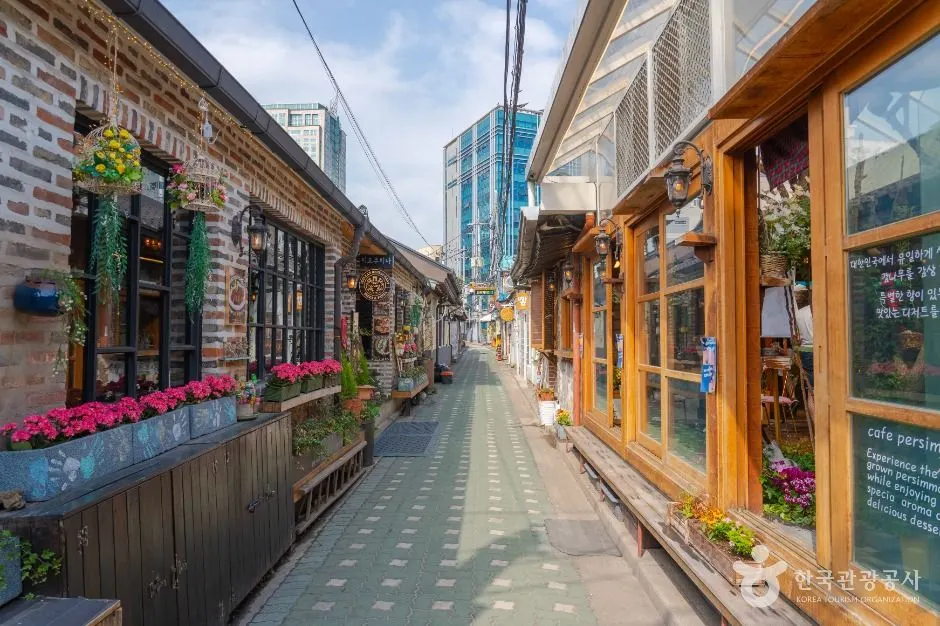
Step into Ikseon-dong Hanok Street, a captivating corner of Seoul where the echoes of the early 20th century harmonize with the pulse of modern life. This district, characterized by its beautifully restored Korean traditional houses, offers a unique glimpse into the past while embracing the present. Prepare to get lost in its charming, narrow alleyways, each turn revealing a new discovery.
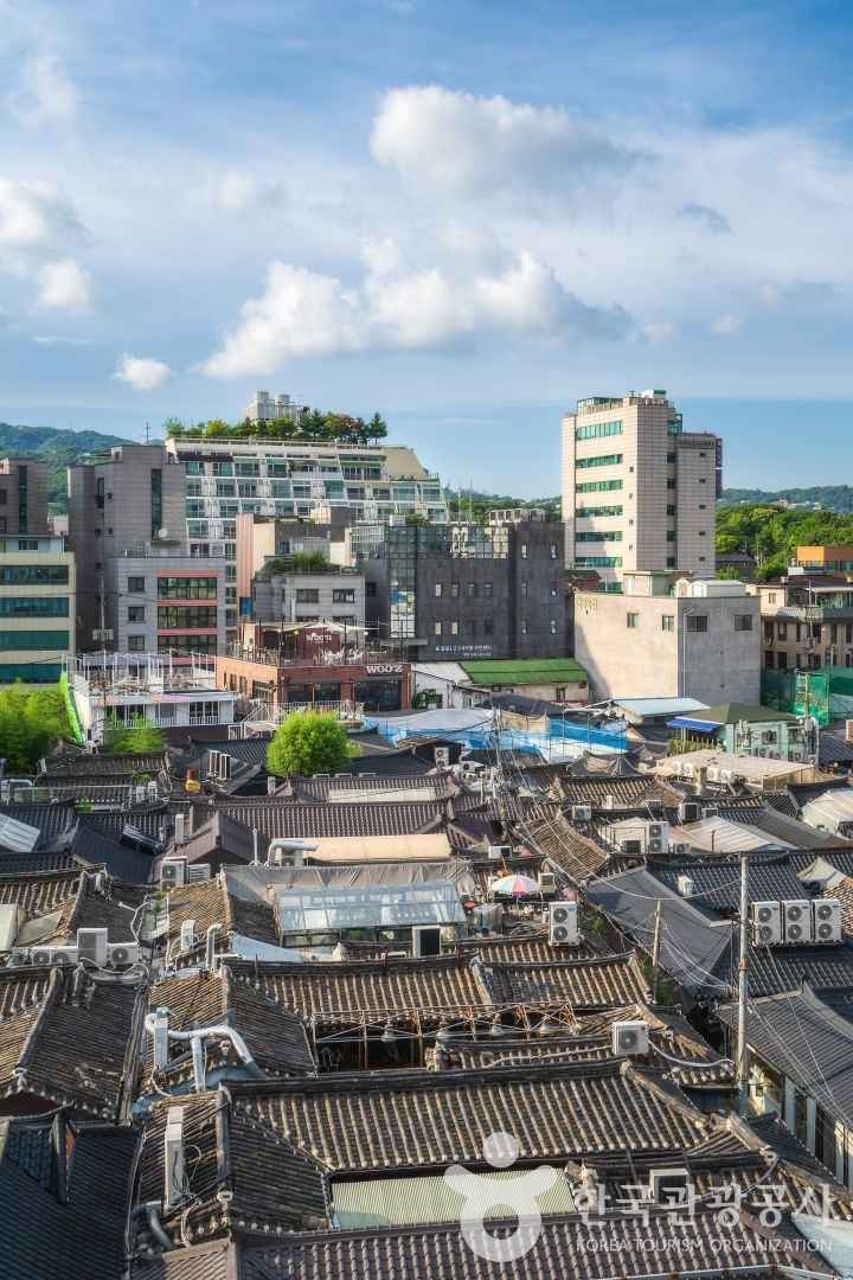
The Enduring Charm of Ikseon-dong's Hanok Heritage
Ikseon-dong Hanok Street stands as a testament to Seoul's commitment to preserving its architectural soul. The area is composed of over 100 hanok (traditional Korean houses) built around the 1920s and 1930s, making them some of the oldest hanok in the city.
Unlike other hanok villages that were purpose-built for tourism, Ikseon-dong was originally a residential neighborhood. This history imbues the area with an authentic atmosphere, a stark contrast to the bustling metropolis surrounding it.
The architectural style here is distinctive, featuring timber-frame construction with tiled roofs (giwajip) and intricate wooden joinery. Many of these homes have undergone meticulous restoration, preserving their original layout and aesthetic while adapting them for new purposes.
The narrow, winding lanes create a sense of intimacy and discovery, inviting visitors to wander and explore at their own pace. This careful preservation allows you to appreciate the details of traditional Korean craftsmanship firsthand.
A Tapestry of Tradition and Trend
What truly sets Ikseon-dong apart is its successful revitalization, transforming a historically significant but perhaps overlooked area into a vibrant cultural hub. The transformation has been organic, with independent entrepreneurs breathing new life into the old structures. Instead of large corporations, you'll find a charming collection of small, unique businesses that reflect the area's evolving identity.
Galleries showcasing contemporary Korean art, artisanal coffee shops offering meticulously brewed beverages, and independent boutiques selling unique fashion and accessories are scattered throughout the alleys. These establishments often retain elements of the original hanok structure, creating a captivating juxtaposition of old and new.
Dining here is an experience in itself, with numerous restaurants serving everything from traditional Korean temple food to modern fusion cuisine within cozy, atmospheric settings.
Exploring the Alleys: What to See and Do
A visit to Ikseon-dong is best experienced by simply walking and allowing yourself to get lost in its labyrinthine streets. The narrow alleyways are a photographer's delight, offering countless opportunities to capture the unique blend of traditional architecture and modern life. Look for the intricate details in the wooden beams, the decorative eaves, and the inner courtyards, which often hide charming cafés or shops.
Beyond the visual appeal, Ikseon-dong offers a chance to engage with Korean culture through its food and crafts. Many cafés and restaurants are housed in former residential rooms, providing an intimate dining experience.
You can savor traditional Korean dishes like bibimbap or tteokbokki, or try modern interpretations of Korean flavors. Exploring the small shops can lead to discovering handmade jewelry, unique stationery, or locally designed clothing, making for memorable souvenirs.
Practical Tips for Your Ikseon-dong Visit
Ikseon-dong is a pedestrian-friendly area, and its charm is best appreciated on foot. While the main streets are relatively easy to navigate, the smaller side alleys can be confusing, adding to the sense of adventure.
Wear comfortable shoes, as you'll likely be doing a lot of walking. The area can get crowded, especially on weekends and holidays, so consider visiting on a weekday if you prefer a more tranquil experience.
The best times to visit are typically spring and autumn, when the weather is pleasant for exploring outdoors. During these seasons, the surrounding trees offer beautiful foliage, enhancing the picturesque atmosphere. Be mindful of the businesses operating within the hanoks; while many are open to visitors, remember they are often housed in restored homes, so maintaining a respectful demeanor is appreciated.
Where is Ikseon-dong Hanok Street located?
It's in Jongno-gu, Seoul, near Jongno 3-ga Station (Subway Lines 1, 3, 5).
What are the main attractions in Ikseon-dong?
Restored hanok houses, unique cafes, independent boutiques, art galleries, and diverse restaurants.
Is there an admission fee to enter Ikseon-dong?
No, entry to the street and its public alleyways is free.
What are good nearby attractions to combine with Ikseon-dong?
Changdeokgung Palace, Bukchon Hanok Village, and Gwangjang Market are popular nearby choices.
How can I best experience Ikseon-dong?
Walk the narrow alleys, enjoy local food and drinks, and explore the unique shops and galleries.