Itinerary
Namsangol Hanok Village: A Quieter Visit
Walk through restored hanok at the foot of Namsan with fewer crowds than Bukchon, using a simple route for an unhurried Seoul heritage visit.
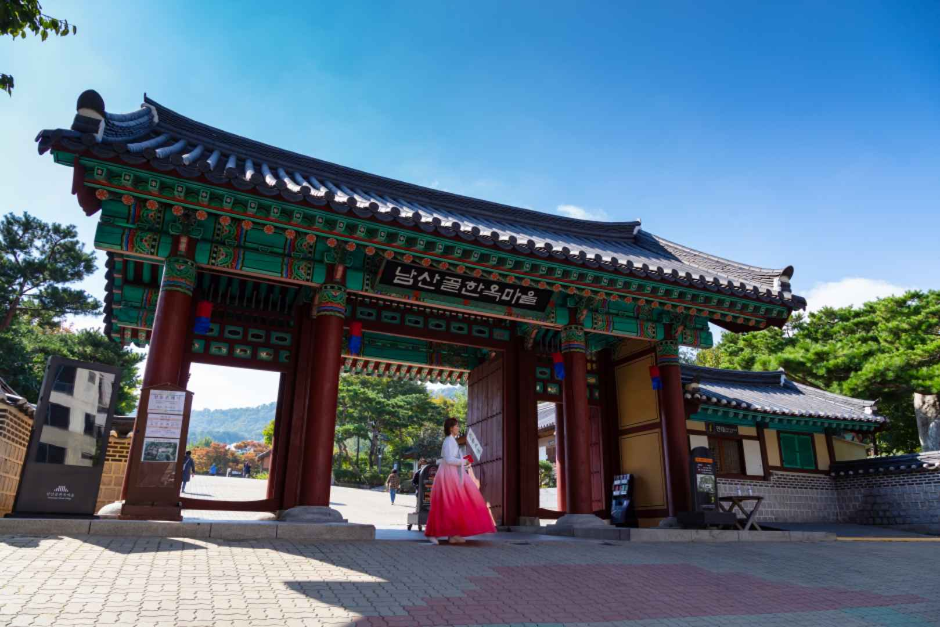
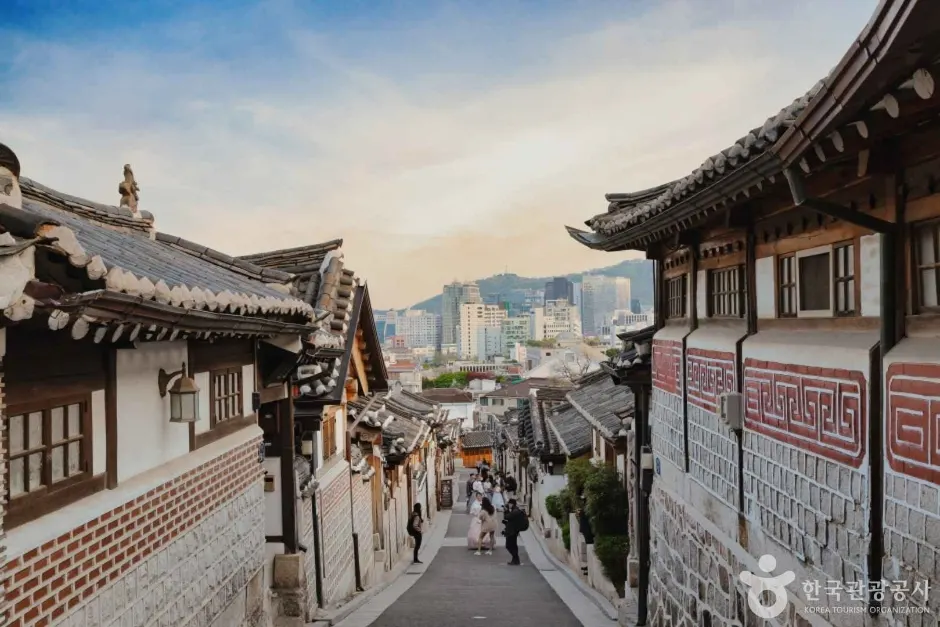
Every foreign friend who tells me they're going to Bukchon Hanok Village comes back saying a version of the same thing: they took photos of exteriors, tiptoed through narrow lanes, and were politely shooed off by a resident hanging laundry. Bukchon is a lived-in neighborhood — the hanok you see are private homes. If you want to actually step inside a hanok in Seoul, walk through five of them at your own pace, and sit in a courtyard for a while, the better call is Namsangol Hanok Village at the north foot of Namsan Mountain.
Why Namsangol works where Bukchon doesn't
Namsangol is a curated park, not a residential neighborhood. Between 1993 and 1997 five representative hanok from other parts of Seoul were relocated to a single valley on Namsan's north face and reconstructed as a public heritage site — the village formally opened in 1998. Because it was designed as a visitor experience from the start, there are no residents to disturb, English signage is consistent throughout, and the interiors are actually open to enter — not roped off, not viewed through window glass.
The five houses each represent a different social class of the late Joseon Dynasty: a royal in-law's estate, a scholar-official's residence, a mid-ranking noble's home, a wealthy commoner's home, and a working commoner's house. Walking through all five in the suggested order takes about an hour and gives you a physical sense of how strongly architecture communicated social rank in a way a museum text panel doesn't. The gap in scale between the royal-in-law estate and the working commoner house is the point.
The tour bus problem — and how to avoid it
Namsangol sits on the loop that Seoul city tours and Namsan / N Seoul Tower routes use, and the parking area starts filling with tour groups between roughly 10:30 and 14:00. If you arrive right at the 09:00 opening or after 15:30, the same courtyards feel lived-in rather than curated. Weekday mornings in the shoulder seasons (April–May and September–October) are the closest thing Seoul offers to a quiet hanok visit.
Admission is free, which means most visitors move through fast. If you want to try the hands-on programs — calligraphy, natural dyeing, traditional tea ceremony, seasonal craft workshops — sign up at the entrance kiosk when you arrive; sessions typically run mid-morning and mid-afternoon and can be capped. If you specifically want a program, arrive close to opening.
What's worth your time on site
The five relocated hanok are the anchor. Do them in the suggested order, tracing the Joseon social ladder as you walk. Behind the houses is a traditional Korean garden with a small pavilion — this is where actual Seoul residents sit and read on weekends, not where the tour groups linger. It's the best spot on the property to feel the site's stated design goal: architecture and landscape as a single composition.
The seasonal performance stage runs traditional music, dance, and short reenactments on weekend afternoons in spring and autumn. When a mid-day program is on, the mood shifts from museum-quiet to small-festival — some visitors love that, some find it crowded. Check the current schedule on the official Namsangol calendar the week of your visit rather than relying on generic guidebook copy.
One thing you can safely skip if time is tight: the Seoul Millennium Time Capsule Plaza. It's a memorial plaza marking a 1994 capsule buried on the site with a scheduled 2394 opening date — visually striking for a photo, essentially a two-minute stop after that.
How to pair it into a Seoul day
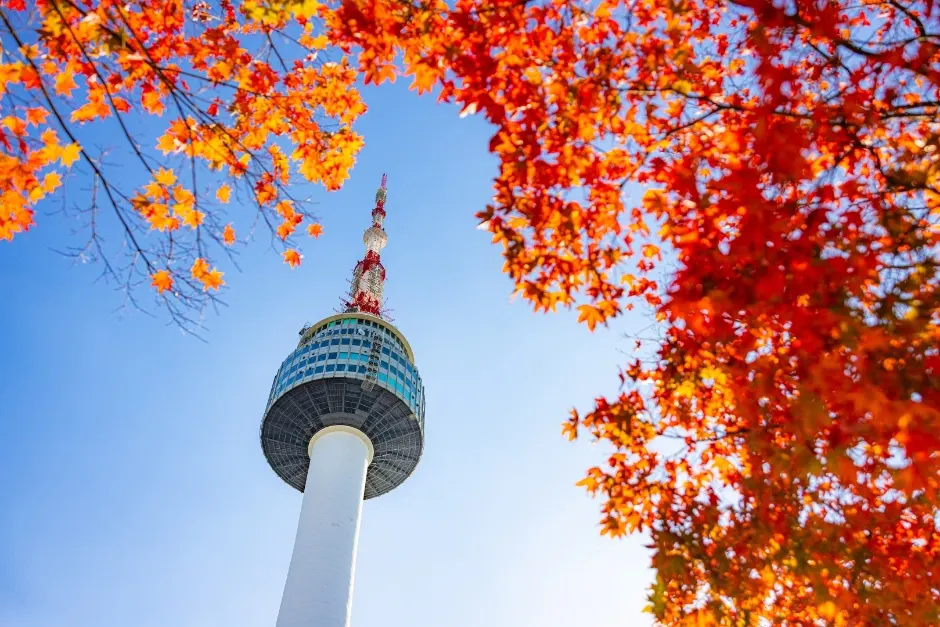
Namsangol pairs naturally with the Namsan / N Seoul Tower route. The back area of the village exits toward the Namsan trail — roughly a 40-minute uphill walk gets you to N Seoul Tower for lunch and a full-city view. If you'd rather not climb, exit toward Chungmuro Station (subway line 3/4, exit 3, about three minutes on foot) and you're in the old restaurant blocks around Chungmuro Printing Street — a good area for naengmyeon (cold noodles) in summer or seolleongtang (ox-bone soup) in winter at one of the family-run shops.
If you're deliberately building a hanok day, the sequence I recommend to visiting friends is Namsangol in the morning (walk through the interiors), then Bukchon in the afternoon (walk through the neighborhood context, streetscape, and views). The two are about 20 minutes apart on Line 3. Together they cover both the museum experience and the living-neighborhood experience without asking either to be something it isn't.
Official visitor information
Address: 28 Toegye-ro 34-gil, Jung-gu, Seoul (서울특별시 중구 퇴계로34길 28).
Opening hours: April–October 09:00–21:00 · November–March 09:00–20:00 · Traditional garden open 24 hours.
Closed: Every Monday (open the following day if Monday falls on a national holiday).
Admission: Free. Hands-on programs may have separate fees; register at the entrance kiosk.
Contact (in English): +82-2-6358-5533. Official calendar and program updates: hanokmaeul.or.kr.
- Aim for 09:00 opening or after 15:30 arrival if you want the courtyards uncrowded.
- Programs (calligraphy, tea ceremony) require morning signup at the entrance kiosk.
- Walk the five hanok in the suggested order — the social-rank contrast is the point.
- The traditional garden behind the houses is where locals actually sit; bring a book.
- Confirm operating notices on the official Namsangol page before travel — hours can shift for events.
Namsangol or Bukchon — which one should I pick?
Namsangol if you want to step inside hanok and see interiors from different Joseon social classes without disturbing residents; Bukchon if you want to walk a lived-in historic neighborhood and photograph rooflines in context. A good hanok day does Namsangol in the morning and Bukchon in the afternoon.
Is it free?
General admission is free. Some hands-on cultural programs and workshops carry a separate fee — register on arrival at the entrance kiosk.
How do I get there by subway?
Chungmuro Station on Seoul Metro lines 3 and 4, exit 3. The village entrance is about a three-minute walk from the exit.
When is it least crowded?
Right at the 09:00 opening or after 15:30, on weekdays outside July–August and the Chuseok/Seollal holiday weeks. Tour groups dominate roughly 10:30–14:00.