Itinerary
"A Glimpse into the Past?"... Incheon's Jemulpo Club, a Treaty Port Relic
Step back in time at the Jemulpo Club, a Western-style building in Incheon that echoes the city's treaty port era.
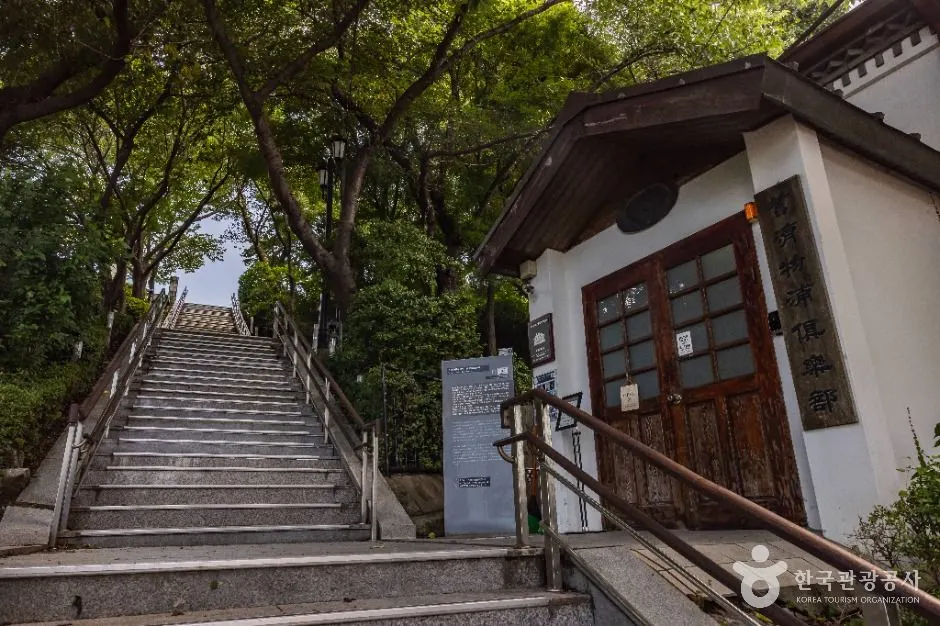
The Jemulpo Club stands as a distinct echo of Incheon's dynamic treaty port era in the late 19th century. Originally established as a social hub for foreign diplomats and residents, this Western-style edifice embodies the multicultural spirit that characterized the port city during its rapid modernization. Exploring its interiors offers a tangible connection to a pivotal period in Korean history, revealing the influences and interactions that shaped the nation's early engagement with the world. It is a place where the past is not just remembered, but felt.

The Architectural Echo of a Bygone Era
The Jemulpo Club's architecture is a clear testament to the foreign influence that permeated Incheon during the late Joseon Dynasty and the early days of the Korean Empire. Constructed in the Western style, it stands in stark contrast to the traditional Korean structures that might have surrounded it at the time.
This architectural choice was not merely aesthetic; it signified the presence and importance of foreign powers and their citizens in the burgeoning port city. The building's design, with its characteristic features of late 19th-century Western construction, speaks volumes about the era's global connections and aspirations.
Its existence is intrinsically linked to the opening of Incheon as a treaty port in 1883. This event marked a significant turning point for Korea, transitioning it from a largely isolated nation to one engaging with international trade and diplomacy.
The Jemulpo Club was conceived as a space for the expatriate community—diplomats, merchants, and officials—to socialize, conduct business, and maintain their cultural connections in a foreign land. It was a microcosm of their home countries, transplanted onto Korean soil, serving as a crucial social and perhaps political nexus.
A Social Hub for Foreign Dignitaries
Imagine the scene over a century ago: gentlemen in formal attire conversing over drinks, discussing international affairs, or simply seeking camaraderie away from the bustling port activities. The Jemulpo Club was designed precisely for such purposes.
It was a private establishment, catering to a select group of foreigners who held significant positions in Incheon's rapidly developing international scene. The club provided a sense of familiarity and exclusivity, a necessary comfort for those living and working far from home.
The club's function extended beyond mere social gatherings. It likely served as an informal venue for diplomatic discussions and business negotiations.
In an era where formal channels could be slow or cumbersome, such private meetings could have been instrumental in shaping early foreign policy and trade agreements related to Korea. The very existence of such an exclusive Western enclave highlights the significant role Incheon played as Korea's gateway to the world during this transformative period.
What Treasures Lie Within?
While the exterior offers a glimpse into historical architecture, the interior of the Jemulpo Club reveals its past through carefully curated displays. Visitors can expect to find furnishings that evoke the period, allowing them to visualize the club's original ambiance. These artifacts, though perhaps few, are potent reminders of the lifestyle and social customs of the foreign residents.
More importantly, the club houses archival materials that shed light on Incheon's history as Korea's first modern international port. These documents, photographs, and records offer invaluable insights into the daily operations of the port, the types of goods traded, the ships that docked, and the people who passed through.
They serve as primary source material for understanding the economic and social transformations that Incheon underwent, and by extension, Korea itself.
Experiencing the Legacy of Incheon's Port History
Visiting the Jemulpo Club is more than just seeing an old building; it's an opportunity to connect with the tangible history of Korea's modernization. As you walk through its rooms, consider the stories these walls could tell—of international intrigue, burgeoning trade, and the cultural exchange that defined Incheon's unique position.
The compact nature of the museum makes it an accessible and focused experience, allowing for a deep appreciation of this specific historical context.
The club's location is also significant. It is situated within an area rich with other historical sites from the same era.
Pairing a visit to the Jemulpo Club with nearby attractions like the Incheon Open Port Modern History Museum or the old Japanese Consulate building allows for a more comprehensive understanding of Incheon's complex past. This cluster of heritage sites provides a powerful narrative of how the city evolved from a quiet fishing village into a vital international hub.
Where is the Jemulpo Club located?
It is situated in the Jung-gu district of Incheon, near other historical sites.
What can I see inside the Jemulpo Club?
You can see period furnishings and archival displays on Incheon's port history.
Is there an admission fee?
Admission is typically free, but it's best to check for any current charges.
What are good nearby attractions to visit?
Consider the Incheon Open Port Modern History Museum and the old Japanese Consulate.
How can I best experience the Jemulpo Club?
Visit it in conjunction with other nearby historical sites for a fuller picture.