Seasonal
"One of Korea's Oldest Temples?"... Ganghwa Jeondeungsa, A Thousand-Year Buddhist Sanctuary
Discover Ganghwa Jeondeungsa, a temple steeped in history within Samnangseong Fortress, boasting ancient relics and a tranquil mountain setting.
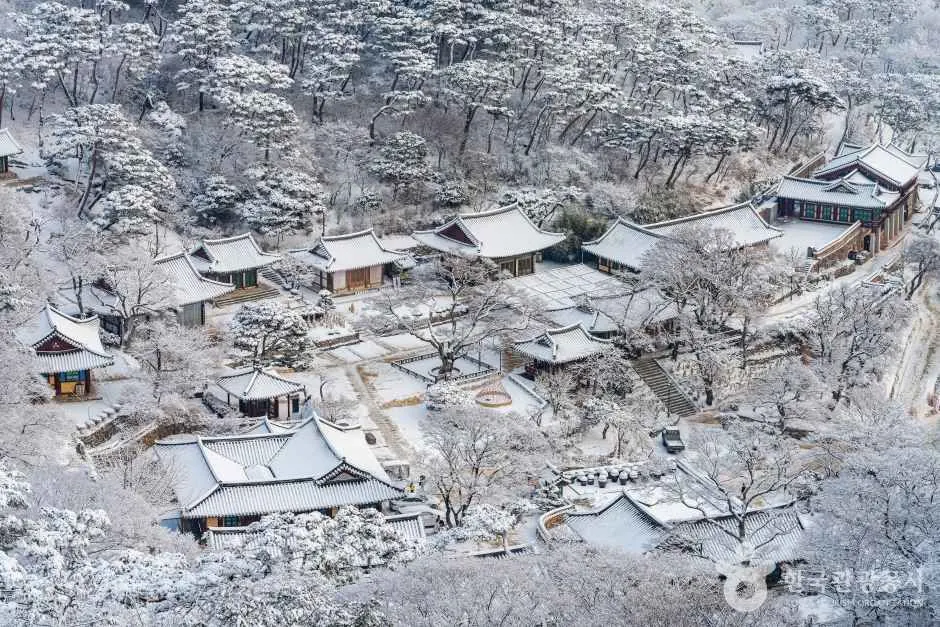
Step into a realm where history and spirituality intertwine at Ganghwa Jeondeungsa, one of Korea's most venerable Buddhist temples. With a founding tradition stretching back to 381 CE, this sacred site offers a profound glimpse into the nation's rich Buddhist heritage. Nestled within the ancient Samnangseong Fortress, the temple provides a unique and serene atmosphere, inviting contemplation amidst centuries of history.

A Legacy Forged in Time: The Ancient Roots of Jeondeungsa
Ganghwa Jeondeungsa's storied past is interwoven with the very fabric of Korean history. Its origins are traditionally traced to 381 CE, during the late Goguryeo Kingdom, a period marked by the early dissemination of Buddhism across the peninsula.
This makes Jeondeungsa not merely a temple, but a living testament to over 1,600 years of continuous Buddhist practice and cultural evolution in Korea. The Jogye Order, the largest Buddhist sect in Korea today, recognizes Jeondeungsa as one of its foundational sites, underscoring its significance.
The temple's unique location within Samnangseong Fortress, an ancient defensive structure on Mount Jeongjoksan, sets it apart from many other mountain temples. Unlike the open, sprawling compounds often found elsewhere, Jeondeungsa's monastic buildings are embraced by sturdy stone walls, creating a distinct sense of sanctuary and historical resilience.
This fortified setting hints at periods of conflict and the temple's role in safeguarding both spiritual and cultural treasures through turbulent times.
Whispers of the Past: Architectural and Historical Treasures
Within the embrace of Samnangseong, Jeondeungsa unfolds its architectural splendors. The main hall, typically a focal point of Buddhist temples, stands as a testament to traditional Korean temple design.
Beyond the primary sanctuary, numerous subsidiary prayer halls and monastic quarters dot the landscape, each contributing to the temple's serene and functional monastic life. These structures, though perhaps renovated over centuries, maintain the architectural ethos of their predecessors.
Perhaps the most historically significant structure at Jeondeungsa is the Daejanggyeong Pansojeon, a treasure house that once safeguarded a complete set of the Goryeo Tripitaka Koreana. This monumental collection of Buddhist scriptures, carved onto over 80,000 wooden printing blocks, represents an unparalleled achievement in East Asian Buddhist history.
Although the original Tripitaka is no longer housed here, the Pansojeon stands as a powerful reminder of Korea's dedication to preserving sacred texts and its pivotal role in Buddhist scholarship during the Goryeo Dynasty.
Experiencing Jeondeungsa: A Journey for the Senses and Soul
A visit to Jeondeungsa is more than just sightseeing; it's an immersive experience that begins the moment you approach. The journey often involves passing through the ancient gates of Samnangseong Fortress, a walk that transports you back in time. The natural beauty of Mount Jeongjoksan, with its lush foliage and tranquil atmosphere, provides a calming backdrop to the spiritual exploration.
As you wander through the temple grounds, take time to appreciate the subtle details: the weathered stone pagodas, the intricate carvings on the wooden pillars, and the quiet devotion of monks and visitors alike. The air itself seems to carry the echoes of centuries of prayer and meditation.
For those seeking a deeper connection, participating in temple stay programs or simply spending a quiet afternoon in contemplation can be profoundly rewarding.
Planning Your Pilgrimage: Essential Tips for Visitors
Ganghwa Jeondeungsa is accessible year-round, with each season offering a distinct charm. Spring brings blooming flowers, while autumn paints the surrounding mountains in vibrant hues. Visiting on a weekday can offer a more peaceful experience, away from the larger weekend crowds. Comfortable walking shoes are recommended, as exploring the temple grounds and the fortress area involves a fair amount of walking.
The temple is conveniently located on Ganghwa Island, making it an ideal addition to a broader itinerary exploring the island's historical sites and natural landscapes. Consider combining your visit with nearby attractions such as the Ganghwa History Museum or the Dolmen sites, which further illuminate the region's rich past.
Public transportation options are available, though having a car can offer more flexibility for exploring Ganghwa Island.
Where is Ganghwa Jeondeungsa located?
It is situated within Samnangseong Fortress on Mount Jeongjoksan, Ganghwa Island, Incheon.
What are the main attractions within the temple?
Key sites include the main hall, various prayer halls, and the historic Daejanggyeong Pansojeon.
Is there an admission fee for Jeondeungsa Temple?
Typically, there is a small admission fee for entering Samnangseong Fortress, which includes access to the temple.
What are good nearby places to visit with Jeondeungsa?
Consider the Ganghwa History Museum, Dolmen sites, or other historical sites on Ganghwa Island.
How can I get to Jeondeungsa Temple?
Public buses serve Ganghwa Island, and taxis or private vehicles are also options for reaching the temple.