Itinerary
"A subterranean wonder of Jeju Island?"... Manjanggul Lava Tube, a 200,000-year-old natural marvel
Explore Manjanggul Lava Tube, a UNESCO World Natural Heritage Site on Jeju, one of the world's longest lava tubes, offering a unique glimpse into volcanic history.
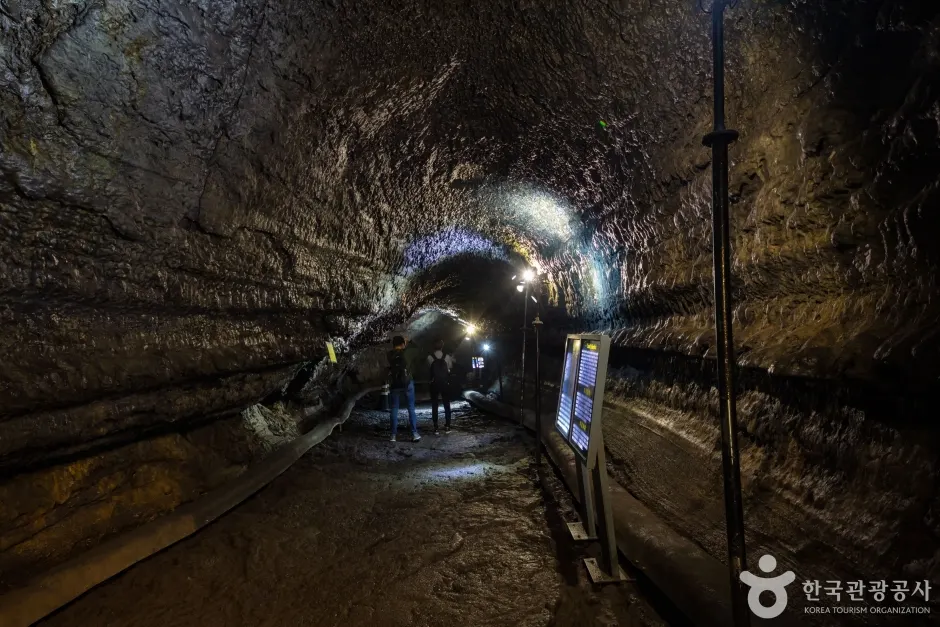
Step into a realm sculpted by fire and time at Manjanggul Lava Tube, a breathtaking testament to Jeju Island's volcanic past. This geological marvel, stretching an impressive 7.4 kilometers, is a rare survivor from a basaltic eruption approximately 200,000 years ago. As a key component of the UNESCO World Natural Heritage Site, "Jeju Volcanic Island and Lava Tubes," Manjanggul offers a unique opportunity to witness the raw power of nature preserved beneath the island's surface. While the full extent remains a hidden wonder, a curated 1-kilometer section invites exploration along a well-maintained walkway, promising an unforgettable journey into the Earth's fiery heart.
A Journey Through Volcanic History

Manjanggul Lava Tube stands as one of the longest lava tubes globally, a sprawling subterranean network formed by a single, powerful basaltic eruption that occurred around 200,000 years ago. The sheer scale of this geological formation is difficult to comprehend, with the main tube alone measuring a remarkable 7.4 kilometers in length.
This ancient flow of molten rock carved its path beneath the eastern coast of Jeju Island, leaving behind a complex system of tunnels that have remained remarkably preserved over millennia. The cave's existence is a direct result of the island's dynamic volcanic activity, a constant reminder of the powerful forces that shaped Jeju into the unique landscape it is today.
Recognized for its outstanding universal value, Manjanggul is an integral part of the "Jeju Volcanic Island and Lava Tubes" UNESCO World Natural Heritage Site. This designation underscores the global significance of the cave system, highlighting its exceptional geological features and the insights it provides into volcanic processes. While the vast majority of Manjanggul remains inaccessible, a specific 1-kilometer segment has been carefully developed for public access.
This accessible portion allows visitors to safely traverse a portion of the tube, experiencing firsthand the unique environment created by ancient lava flows. The careful preservation and management of this section ensure that its geological integrity is maintained for future generations to appreciate.
What Wonders Lie Within?

The accessible 1-kilometer path through Manjanggul is more than just a walk; it's an immersion into a geological art gallery. The cave's interior is a testament to the slow, steady shaping by lava, featuring formations that mimic the natural world. Among the most captivating is the "Stone Turtle," a rock formation that strikingly resembles the beloved Jeju native creature.
This natural sculpture, carved by the cooling and solidification of lava, serves as a unique landmark within the cave. Its presence adds a touch of whimsy and local flavor to the otherwise austere volcanic landscape, making it a memorable sight for visitors.
Dominating the interior landscape is the awe-inspiring lava column, an immense stalagmite formed from dripping lava. This colossal structure stands at an astonishing 7.6 meters tall, making it the world's largest known lava column.
Its sheer size and scale are a powerful visual representation of the immense volume of lava that once flowed through this subterranean channel. The column's formation is a slow, continuous process, a geological timescale brought to life. Standing before it, visitors can truly appreciate the monumental forces and the vast periods of time involved in the creation of such natural wonders.
Experiencing Manjanggul Lava Tube
Visiting Manjanggul offers a unique opportunity to connect with Jeju's raw, natural beauty in a way that few other attractions can. The journey begins even before entering the cave, with the approach itself often showcasing the island's verdant landscapes. Once inside, the experience is one of profound geological discovery.
The paved walkway ensures a comfortable and safe exploration, allowing visitors to focus on the incredible formations surrounding them. The constant, cool temperature within the cave, typically ranging from 11 to 21 degrees Celsius (52 to 70 degrees Fahrenheit) year-round, provides a refreshing escape from the external weather, regardless of the season.
The total time spent exploring Manjanggul, including the walk to and from the entrance, typically takes around 90 minutes. This allows ample time to absorb the cave's atmosphere, admire the key formations like the Stone Turtle and the lava column, and appreciate the intricate details of the lava tube walls. The experience is educational and awe-inspiring, offering a tangible link to the island's volcanic origins.
Photography is often permitted within the accessible sections, allowing visitors to capture memories of this subterranean world. Remember to wear comfortable shoes, as the walkway, while paved, involves walking and some gentle inclines.
Tips for Your Visit
Manjanggul Lava Tube is located on the eastern side of Jeju Island, a region rich with natural and cultural attractions. Its proximity makes it an ideal candidate for combination with other popular sites.
Consider pairing your visit with the serene Bijarim Forest, known for its ancient nutmeg trees, or the iconic Seongsan Ilchulbong (Sunrise Peak), a UNESCO-listed tuff cone offering breathtaking panoramic views. These nearby locations complement the geological focus of Manjanggul with natural beauty and historical significance, creating a well-rounded day trip.
The cave is part of the Jeju National Geopark and is managed to preserve its delicate ecosystem. While entry is generally straightforward, it's advisable to check the official operating hours and any potential seasonal closures before your visit, as these can sometimes vary. The accessibility of the 1-kilometer path makes it suitable for most visitors, including families with older children.
However, due to the natural cave environment, it may not be fully accessible for individuals with significant mobility challenges. Planning your transport in advance, whether by rental car or public bus, is recommended to ensure a smooth journey to this remarkable natural wonder.
Where is Manjanggul Lava Tube located?
Manjanggul is located in Gimnyeong-ri, Gujwa-eup, Jeju Island, South Korea.
What are the main attractions inside Manjanggul?
Key features include the Stone Turtle formation and the world's largest lava column (7.6m).
What is the admission fee for Manjanggul?
Admission typically requires a modest fee; check official sources for current pricing.
What nearby attractions can be visited with Manjanggul?
It's often paired with Bijarim Forest and Seongsan Ilchulbong.
How long does a visit to Manjanggul take?
A visit, including walks, typically takes about 90 minutes.