Seasonal
"A Thousand Years of Serenity?"... Miryang's Pyochungsa Temple, a Silla Dynasty Gem
Discover Pyochungsa Temple in Miryang, a historic Silla-era sanctuary offering ancient architecture, serene nature, and deep cultural roots.
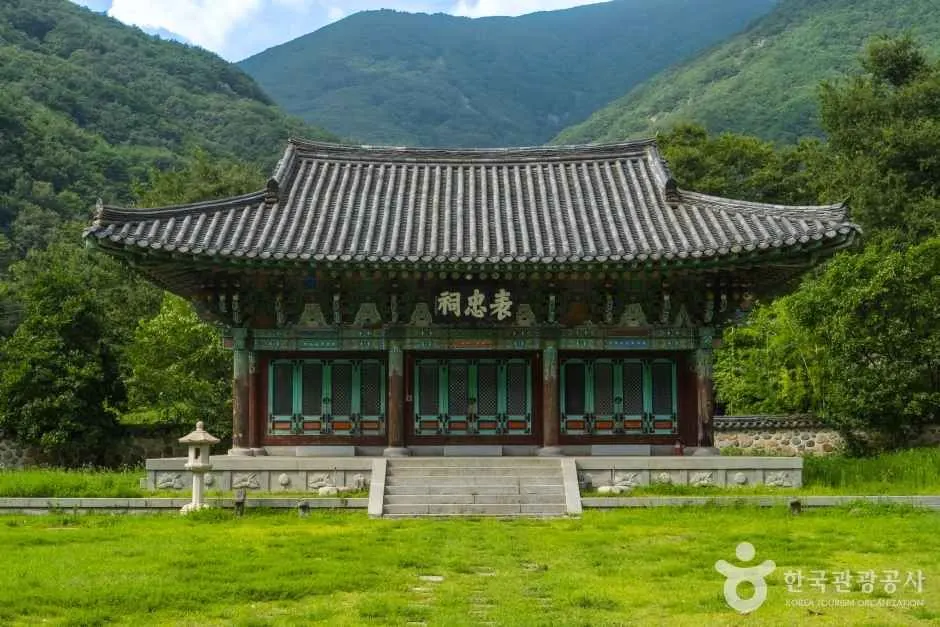
Nestled amidst the verdant hills of Miryang, South Gyeongsang Province, lies Pyochungsa Temple, a sanctuary steeped in over a millennium of history. Founded in 828 during the Unified Silla period, this ancient temple stands as a testament to Korea's rich Buddhist heritage. Its serene grounds and traditional architecture offer a peaceful escape, inviting visitors to connect with history and nature. Pyochungsa is more than just a collection of buildings; it's a living cultural space where centuries of devotion continue to resonate.
A Legacy Carved in Stone and Wood

The story of Pyochungsa Temple begins in 828 AD, a period when Korean Buddhism was flourishing and actively shaping the cultural landscape. Its founder, Monk Pyo-ung, is said to have established the temple, which was later expanded and dedicated to Monk Yu Jeong, a revered figure from the Joseon Dynasty known for his role in resisting Japanese invasions with Buddhist monks.
This dual legacy, linked to both early Buddhist propagation and national defense, imbues the temple with a unique historical significance.
Architecturally, Pyochungsa embodies the quintessential style of traditional Korean temples, characterized by its harmonious integration with the surrounding natural environment. The buildings, with their gracefully curved tiled roofs (giwa) and wooden structures, are designed to complement the mountainous terrain rather than dominate it.
Exploring the temple complex reveals a series of halls and pavilions, each with its own character and purpose, contributing to the overall atmosphere of tranquility and reverence.
What Treasures Await at Pyochungsa?
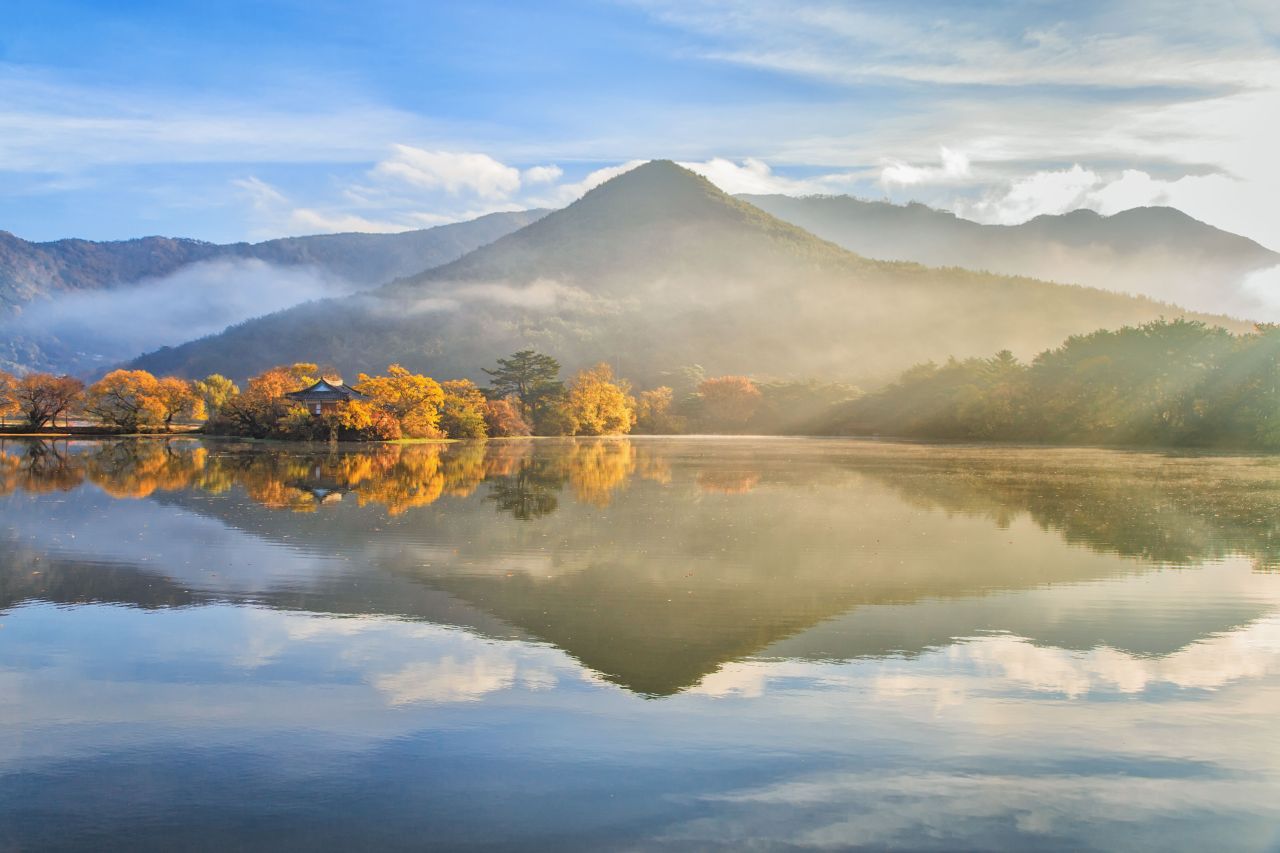
The heart of Pyochungsa lies within its various halls, which house significant Buddhist art and artifacts. The main sanctuary, Daeungjeon, typically features a central Buddha statue, often flanked by bodhisattvas and guardian figures.
These statues, often dating back centuries, are not merely decorative but are objects of deep veneration and artistic achievement. The intricate details and serene expressions of these figures offer a glimpse into the artistic styles and religious devotion of different historical periods.
Beyond the main halls, visitors can discover other important structures within the complex. The Mireukjeon houses a Buddha statue believed to embody the future Buddha, Maitreya, symbolizing hope and enlightenment.
The Samseonggak, often found in Korean temples, is dedicated to three revered figures: the Mountain Spirit (Sanshin), the Dragon King (Yongwang), and Dokseong (a solitary enlightened being). These shrines reflect the syncretic nature of Korean folk beliefs blended with Buddhism.
Immerse Yourself in Tranquility and Tradition

Pyochungsa Temple offers a serene environment perfect for quiet contemplation and spiritual exploration. The well-maintained temple grounds provide ample space for leisurely walks, allowing visitors to appreciate the natural beauty and the architectural harmony of the temple. Many find solace in simply sitting by the streams or under the ancient trees, absorbing the peaceful atmosphere that has been cultivated over centuries.
For those seeking a deeper connection, Pyochungsa sometimes offers temple stay programs (Temple Life Experience). These programs provide an opportunity to experience monastic life firsthand, including participating in morning and evening chanting, meditation sessions, and simple meals. It's a unique chance to step away from the hustle of daily life and immerse oneself in the disciplined yet peaceful rhythm of a Buddhist monastery.
Planning Your Visit to Pyochungsa

Pyochungsa Temple is accessible by public transportation, though it requires a combination of bus and potentially a short taxi ride from Miryang city center. Visitors should check the latest bus schedules in advance, especially if traveling on weekends or holidays.
The temple is open year-round, but spring and autumn offer particularly pleasant weather and scenic beauty, with blooming flowers in spring and vibrant foliage in fall.
Admission to the temple grounds is typically free or involves a nominal fee, which helps in the preservation of the site. Wear comfortable walking shoes, as you will be exploring the temple complex and its surroundings on foot. It's also respectful to dress modestly, covering shoulders and knees, when visiting sacred religious sites like Pyochungsa.
When visiting, take time to appreciate the natural setting as much as the temple structures. The surrounding Gajisan Provincial Park offers hiking trails for those interested in exploring the mountains further. Consider pairing your visit with other nearby attractions in Miryang, such as the Miryang Eupseong Fortress or the Yeongnamnu Pavilion, to create a more comprehensive cultural tour of the region.
Where is Pyochungsa Temple located?
Pyochungsa is in Miryang, South Gyeongsang Province, nestled in the mountains.
What are the main attractions at the temple?
It features traditional Silla-era architecture, main halls with Buddha statues, and serene mountain scenery.
What is the admission fee?
Admission is typically free or a small preservation fee is charged.
What are good nearby attractions?
Consider Miryang Eupseong Fortress or Yeongnamnu Pavilion.
How can I get there and what should I know?
Accessible by bus from Miryang; check schedules. Dress modestly and wear comfortable shoes.