Seasonal
"Crimson blooms against snow?"... Seonunsa Temple, Gochang's winter jewel
Discover Seonunsa Temple in Gochang, a 6th-century sanctuary famed for its late-winter camellias and national treasures.
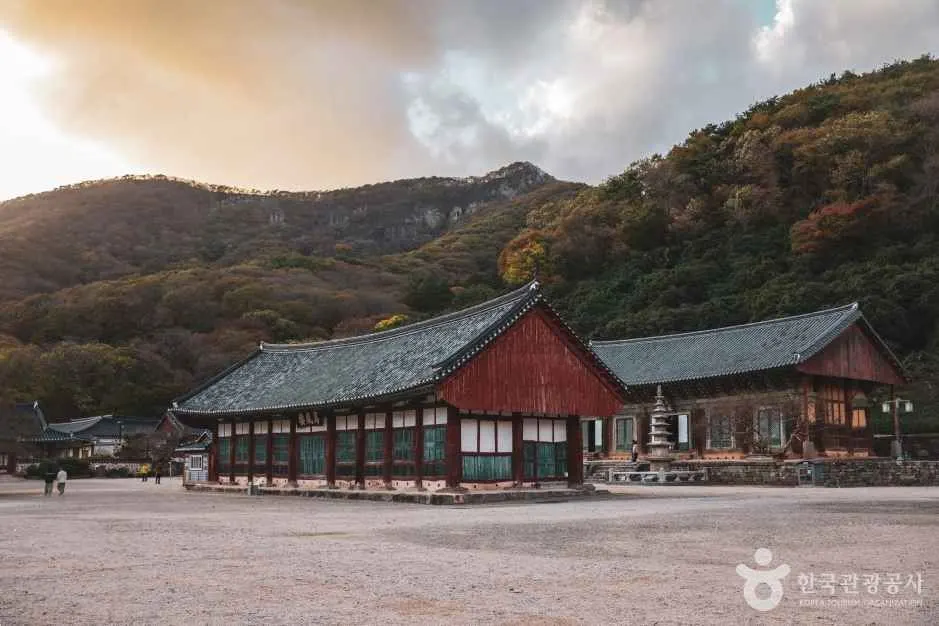
Nestled at the foot of Seonunsan in Gochang, Jeollabuk-do, Seonunsa Temple stands as a testament to centuries of Korean Buddhist artistry and natural beauty. Founded in the 6th century, this ancient sanctuary is renowned not only for its architectural treasures but also for the striking visual spectacle of its camellia grove. This grove, located behind the main hall, offers a breathtaking display of scarlet blooms against the winter snow, typically from late February through early April.
Seonunsa Temple's Enduring Appeal

Seonunsa Temple's history stretches back over 1,400 years, making it one of the oldest and most significant Buddhist sites in Korea. Its location, embraced by the rolling hills of Seonunsan, provides a serene and picturesque setting that has inspired monks and visitors for generations. The temple complex itself is a treasure trove of cultural heritage, housing several designated national treasures and provincial artifacts.
Among its most prized possessions is the Mireukbul (Maitreya Buddha) relief carved directly onto a cliff face. This impressive stonework, a national treasure, depicts a serene Buddha figure, showcasing the skill of ancient artisans.
The main wooden hall, also a significant structure, further contributes to the temple's historical and architectural importance. The approach to the temple is equally enchanting, following a valley path lined with ancient maples and crossed by charming stone bridges, especially vibrant during the autumn foliage season.
What Makes Seonunsa So Special?

The most iconic feature drawing visitors to Seonunsa, particularly outside the peak spring and autumn seasons, is its remarkable camellia grove. Unlike many other camellia spots that are popular in milder weather, Seonunsa's camellias are celebrated for their late-season bloom.
These vibrant red flowers typically start to open in late February or early March and continue to bloom through April, providing a stunning contrast against the lingering snow or the fresh green of early spring.
This unique timing and the dramatic visual of scarlet camellias set against a white backdrop have cemented Seonunsa's reputation as a winter and early spring destination. The grove, situated just behind the main sanctuary building, offers a relatively accessible yet profoundly beautiful natural spectacle.
The sheer density and color of the blooms create an unforgettable scene, making it a must-visit for photographers and nature lovers seeking a unique seasonal experience.
Experiencing Seonunsa Temple and its Surroundings
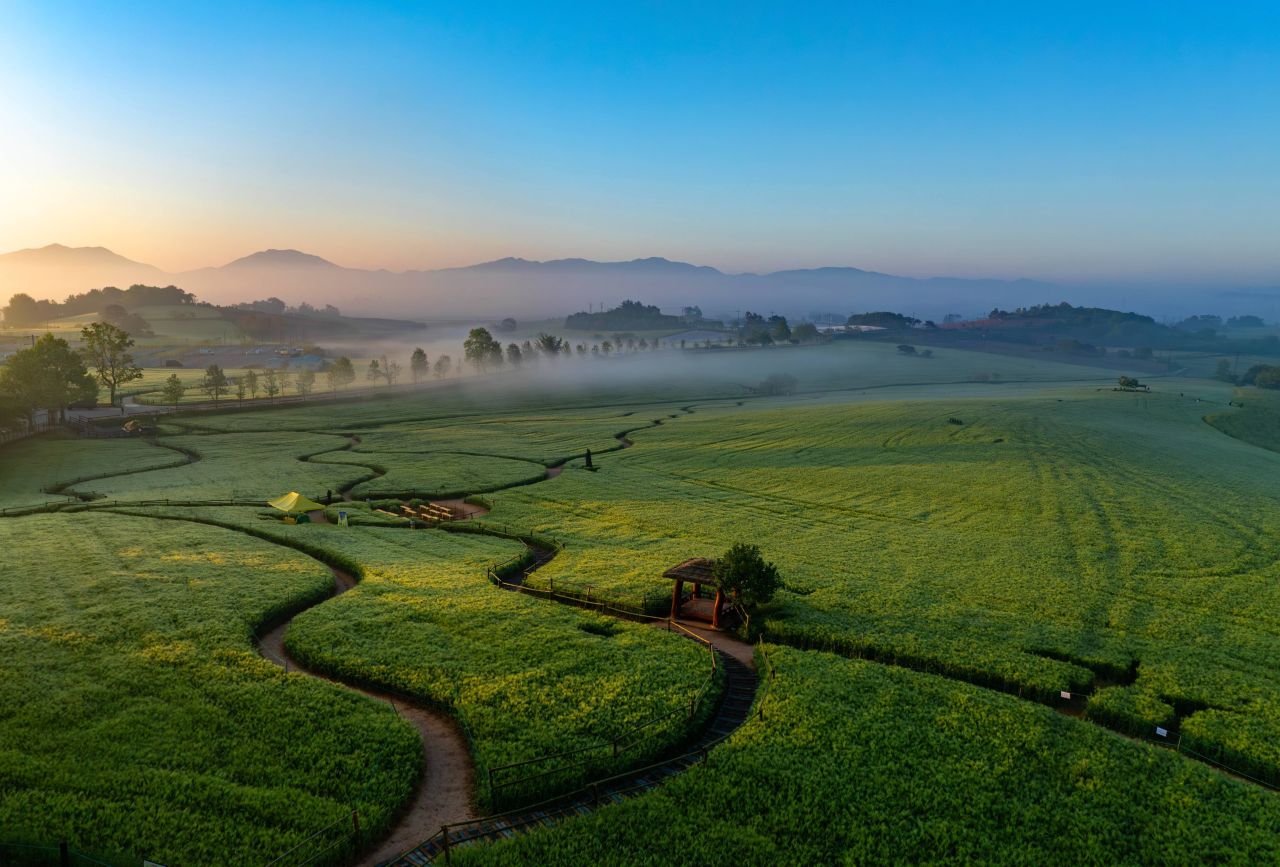
A visit to Seonunsa Temple is more than just a stop at a historical site; it's an immersion in natural beauty and cultural heritage. Upon entering the temple grounds, visitors are greeted by the tranquil atmosphere characteristic of Korean Buddhist temples.
Take time to explore the main hall, admire the intricate details of the Mireukbul cliff carving, and wander through the temple's various sub-temples and gardens.
Beyond the temple buildings, the surrounding Seonunsan offers opportunities for hiking. Trails range from gentle walks to more strenuous climbs, providing different perspectives of the mountain's natural beauty.
The path leading to the temple, with its stream, old trees, and stone bridges, is a pleasant walk in itself, especially when the autumn leaves are at their peak in November, or when the camellias are in bloom.
Tips for Your Visit to Seonunsa

The best time to visit Seonunsa depends on your interests. For the famed camellia blooms, aim for late February to early April. If you prefer autumn foliage, November is spectacular, particularly along the valley path leading to the temple.
The temple is generally open from early morning until sunset, with specific hours potentially varying slightly by season. Admission fees are typically modest, usually around 3,000 to 4,000 KRW per adult.
Consider combining your visit to Seonunsa with other attractions in the Gochang area. The Gochang Dolmen Sites, a UNESCO World Heritage site, are nearby and offer a fascinating glimpse into the region's Bronze Age history. For those who enjoy hiking, exploring the various trails of Seonunsan mountain itself provides a more extensive natural experience, often starting from or passing near the temple.
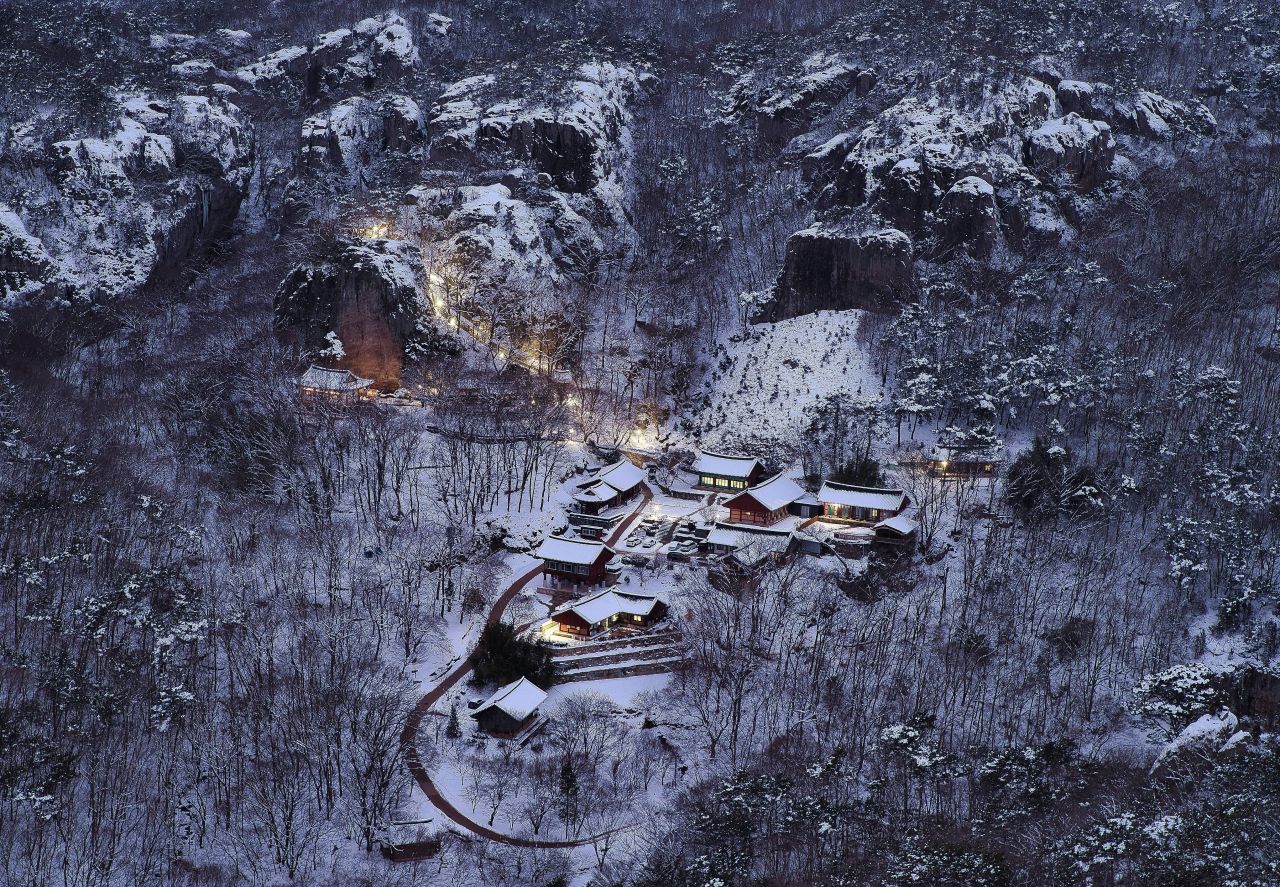
Where is Seonunsa Temple located?
Seonunsa Temple is located at the base of Seonunsan in Gochang-gun, Jeollabuk-do, South Korea.
What are the main attractions at Seonunsa?
Key attractions include the 6th-century temple buildings, the Mireukbul cliff carving (National Treasure No. 127), and the famous camellia grove.
What is the admission fee for Seonunsa?
Admission is typically around 3,000-4,000 KRW for adults, subject to change.
What can I pair with a visit to Seonunsa?
Nearby attractions include the Gochang Dolmen Sites (UNESCO) and hiking trails in Seonunsan.
How do I get to Seonunsa and what is the best time to visit?
Public buses serve Gochang; the best time is late Feb-Apr for camellias or Nov for autumn leaves.