Itinerary
"A Living Archive of Korea's Soulful Songs?"... Gochang Sin Jae-hyo House, Pansori's Cradle
Step into the 19th-century home of Sin Jae-hyo, the visionary who shaped pansori, Korea's traditional narrative song. Explore his legacy in Gochang.
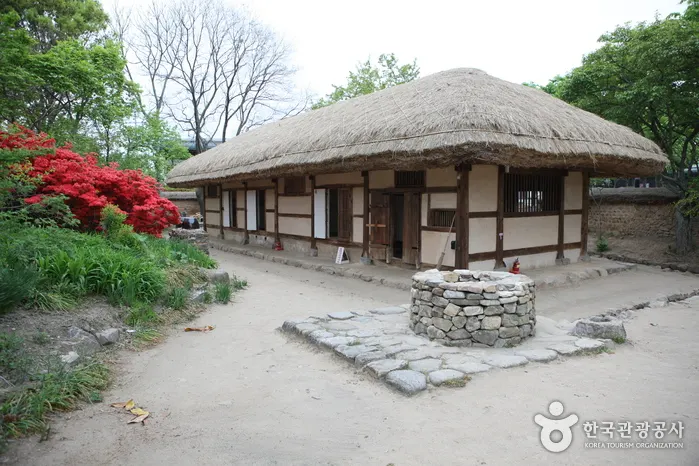
Imagine stepping back in time to the 19th century, where the very air seems to resonate with the echoes of soulful melodies. Sin Jae-hyo's House in Gochang is not just a preserved residence; it's a tangible link to the heart of Korean traditional music. This was the home of Sin Jae-hyo (1812–1884), a pivotal figure whose theoretical insights and passionate patronage transformed pansori, the captivating Korean art form of storytelling through song. His work laid the foundation for the pansori canon we cherish today, making this site a pilgrimage for those seeking to understand the depths of Korean artistic heritage.
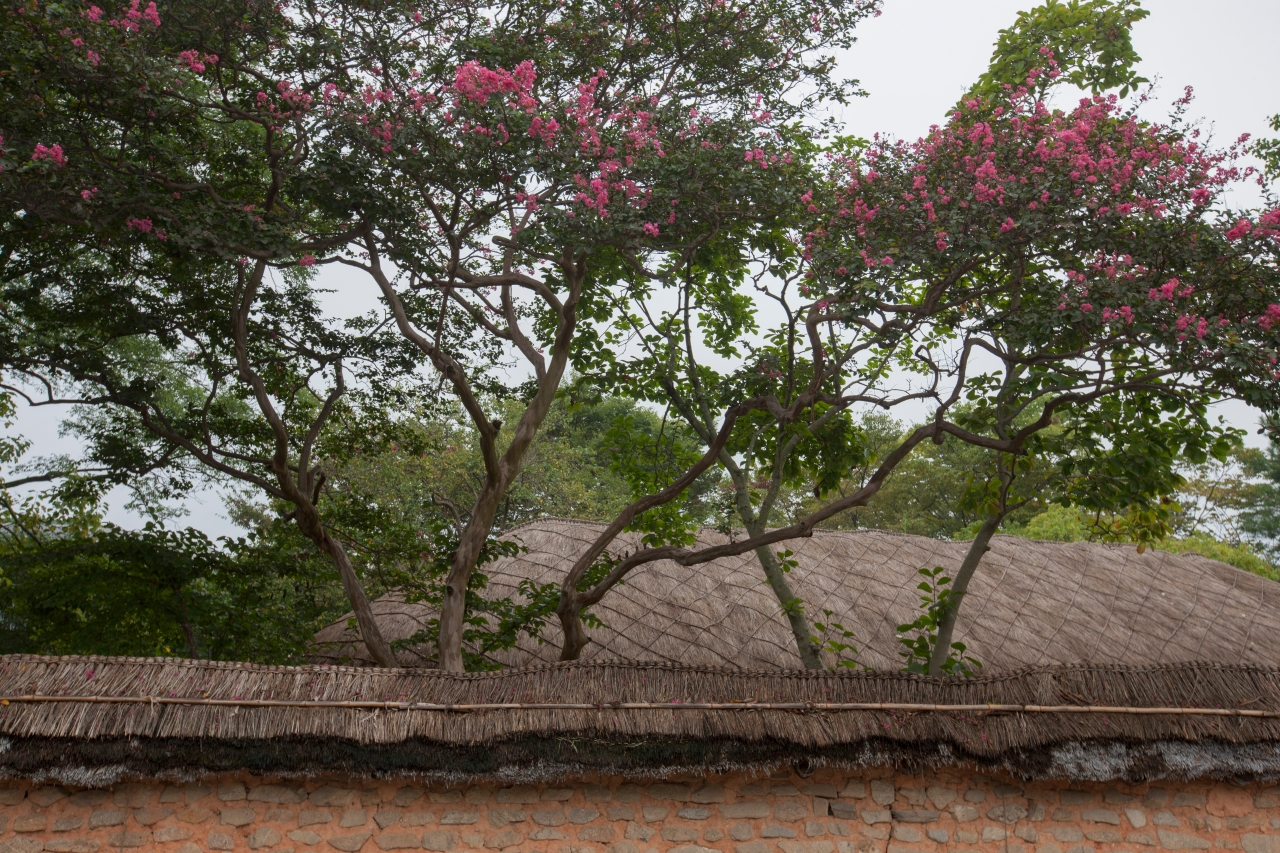
The Architect of Pansori's Golden Age
Sin Jae-hyo stands as a titan in the history of pansori, a complex art form that blends music, drama, and narrative. His life's work was dedicated to elevating pansori from a mere folk tradition to a refined art. He meticulously studied and systematized the six surviving pansori narratives – 'Chunhyangjeoga,' 'Simcheongjeoga,' 'Heungbogaejeon,' 'Jeokbyeokga,' 'Gyechokga,' and 'Hwayeongtaryeong.
' These stories, rich with human emotion and cultural commentary, form the bedrock of the pansori repertoire even now. Sin's scholarly approach ensured their preservation and standardization, giving them a formal structure that allowed for wider appreciation and study.
Beyond his theoretical contributions, Sin Jae-hyo was a revolutionary patron. At a time when pansori was predominantly a male domain, he bravely challenged conventions by actively seeking out and training female singers, known as 'myeokkeum.' This groundbreaking initiative opened the doors for talented women to showcase their artistry, fundamentally changing the landscape of pansori performance.
He recognized and nurtured the unique expressive power that female artists could bring to these epic tales, fostering a generation of renowned singers who further popularized and enriched the art form. His vision was instrumental in making pansori a more inclusive and vibrant cultural force.
A Glimpse into Sin Jae-hyo's World
Visiting Sin Jae-hyo's House offers a rare and intimate encounter with the life and work of this cultural luminary. The preserved compound provides a window into the architectural style and living conditions of a respected scholar and artist in the mid-19th century Joseon Dynasty.
You can explore his former living quarters, imagining the quiet contemplation and creative energy that once filled these spaces. The simplicity and elegance of the architecture reflect the aesthetic values of the era, offering a peaceful atmosphere for reflection.
Central to the experience is his study, the very place where much of his theoretical work and transcription likely took place. Adjacent to this is a small archive, housing reproductions of his original transcriptions of the pansori narratives.
These invaluable documents, carefully preserved and presented with bilingual explanatory panels, reveal the meticulous effort Sin Jae-hyo invested in documenting and standardizing these epic songs. Reading these panels offers profound insights into his analytical mind and his dedication to safeguarding this precious cultural heritage for future generations.
Experiencing the Legacy of Pansori
While the house itself is a historical monument, the true experience lies in understanding the cultural significance of pansori and Sin Jae-hyo's role in its development. The bilingual panels throughout the site provide clear and concise information about his life, his contributions to pansori theory, and his impact on the training of female singers.
Take your time to read through these explanations, allowing them to deepen your appreciation for the art form. Consider the emotional depth and storytelling prowess that these songs embody.
For a more immersive experience, consider seeking out performances or recordings of the six canonical pansori narratives that Sin Jae-hyo so diligently preserved. Listening to these powerful vocal performances after visiting his home can bring his legacy to life in a profound way.
The house serves as an introduction, a quiet prelude to the vibrant and emotional world of pansori that he helped to shape and sustain. It encourages visitors to connect with the artistic soul of Korea on a deeper level.
Planning Your Visit: Practical Tips
Sin Jae-hyo's House is located in Gochang, a region rich in history and natural beauty. The site is well-maintained and accessible, offering a peaceful environment for exploration.
Most visitors find that approximately forty-five minutes to an hour is sufficient to explore the grounds and absorb the information provided on the interpretive panels. The site is generally quiet, allowing for a contemplative visit, especially if you arrive outside of peak hours or during weekdays.
This historic house is often visited in conjunction with other local attractions. A popular pairing is Gochang Eupseong Fortress, a beautiful and historic castle mound that offers panoramic views of the surrounding area.
Alternatively, the serene Seonunsa Temple, famous for its ancient camellia trees and striking Buddha statues, provides a contrasting yet complementary experience. Combining these sites allows for a comprehensive exploration of Gochang's cultural and natural heritage within a single day trip.
Where is Sin Jae-hyo's House located?
It is situated in Gochang, South Korea, within the Gochang-gun district.
What is the main attraction here?
The preserved 19th-century residence of pansori theorist Sin Jae-hyo, including his living quarters and study.
Is there an admission fee?
Admission to Sin Jae-hyo's House is typically free.
What are good nearby attractions?
Gochang Eupseong Fortress and Seonunsa Temple are popular choices.
How long should I plan to visit?
Allow about 45 minutes to an hour to explore the site and read the information panels.