Seasonal
"A 60-meter cascade, but only a 10-minute walk?"... Wibongpokpo Falls, Wanju's accessible natural wonder
Discover Wibongpokpo Falls in Wanju, a stunning 60-meter, two-stage waterfall easily accessible via a short boardwalk. Perfect for nature lovers and photographers.
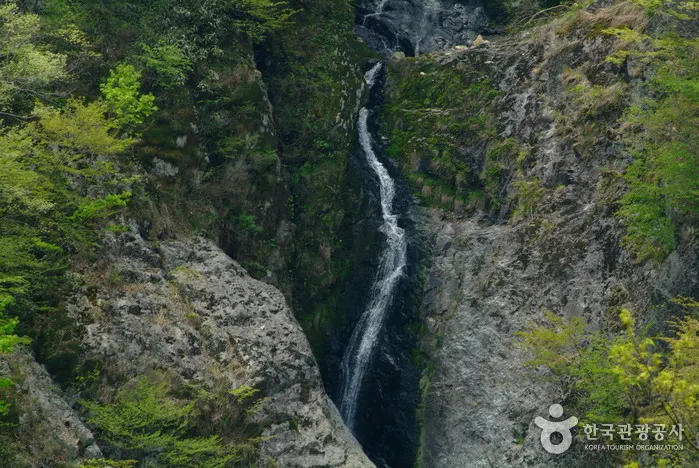
The roar of Wibongpokpo Falls is a powerful reminder of nature's artistry, a 60-meter, two-stage cascade plunging into the Jongnamsan valley. Despite its impressive scale, this natural spectacle in Wanju, Jeollabuk-do, offers surprisingly easy access. Visitors can reach the lower pool via a short, paved boardwalk in about ten minutes from the parking area. Is this the most accessible major waterfall in the Honam region?

The Majestic Drop: Wibongpokpo Falls' Grandeur
Wibongpokpo Falls is a breathtaking natural monument, an impressive 60-meter cascade that descends in two distinct stages. Nestled within the serene Jongnamsan valley in Wanju, Jeollabuk-do, it stands as one of the largest and most significant waterfalls in the entire Honam region.
The sheer volume of water, especially during the peak of the summer rainy season, creates a dramatic spectacle, transforming the landscape into a vibrant display of raw natural power. The surrounding granite cliffs, often adorned with lush moss, add to the waterfall's dramatic and photogenic appeal.
The unique two-tiered descent means that water first plunges from a significant height, then gathers before making its final, powerful drop to the pool below. This characteristic formation is what gives Wibongpokpo Falls its distinct charm. The sound of the water hitting the rocks and the mist rising into the air create an immersive sensory experience.
For photographers, the interplay of light and water, particularly when the sun catches the spray, offers countless opportunities for stunning shots. The sheer scale of the falls is remarkable, making it a highlight for anyone visiting the region.
Accessibility Redefined: A Waterfall for Everyone
What truly sets Wibongpokpo Falls apart is its remarkable accessibility. Unlike many large waterfalls that require strenuous hikes or long treks, this natural wonder is surprisingly easy to reach. A well-maintained, paved boardwalk leads visitors directly from the parking area to a viewing deck at the base of the lower pool.
This gentle path takes approximately ten minutes to traverse, making it suitable for visitors of all ages and fitness levels. This thoughtful infrastructure ensures that the majesty of the falls is not reserved only for the most intrepid hikers.
The viewing deck is strategically positioned to offer an optimal perspective of the entire cascade. Its angle allows visitors to capture both the upper and lower stages of the waterfall in a single frame, along with the verdant, moss-covered cliffs that frame the scene.
This makes it an ideal spot for capturing memorable photographs without the need for extensive searching for the perfect vantage point. The convenience of this short walk allows for a more relaxed experience, where the focus remains on appreciating the natural beauty rather than the exertion of the journey.
Beyond the Falls: Pairing with Wibongsa Temple
A visit to Wibongpokpo Falls is often enhanced by its proximity to Wibongsa Temple. Located just above the falls, the temple offers a tranquil counterpoint to the dynamic energy of the cascading water.
The temple itself is a place of quiet contemplation, with traditional Korean architecture set against the backdrop of the mountainous landscape. Exploring the temple grounds before or after witnessing the waterfall provides a well-rounded cultural and natural experience.
The combination of the powerful natural beauty of the waterfall and the serene spiritual atmosphere of the temple creates a uniquely satisfying itinerary. Many visitors find that dedicating around forty-five minutes to an hour allows ample time to appreciate both attractions fully.
This synergy between nature and spirituality is a hallmark of many Korean travel destinations, offering a deeper connection to the local culture and environment. It’s a perfect pairing for those seeking both scenic beauty and a touch of tranquility.
Planning Your Visit: Tips for Enjoying Wibongpokpo Falls
The best time to witness Wibongpokpo Falls in its full glory is during the summer rainy season, typically from June to August. During these months, the water volume swells significantly, making the cascade even more dramatic and visually impressive.
However, the paved path and viewing deck ensure that the falls are accessible and enjoyable year-round, offering a different kind of beauty in each season. Spring might bring lush greenery, while autumn could offer colorful foliage as a backdrop.
For those seeking a more peaceful experience, visiting on a weekday, especially in the morning, is recommended. This helps to avoid the larger crowds that can gather during peak times and weekends, allowing for a more immersive and personal encounter with the falls.
Parking is available near the trailhead, and the short walk means that even those with limited time can incorporate a visit into their travel plans. Remember to wear comfortable shoes, as the boardwalk, while paved, involves walking.
Where is Wibongpokpo Falls located?
It is located in the Jongnamsan valley, Wanju, Jeollabuk-do, South Korea.
What are the main attractions at Wibongpokpo Falls?
A 60-meter two-stage waterfall and a 10-minute paved boardwalk to a viewing deck.
Is there an admission fee for Wibongpokpo Falls?
Admission is typically free, but it's always good to check locally for any updates.
What is recommended to pair with a visit to Wibongpokpo Falls?
Wibongsa Temple, located just above the falls, is a popular and recommended pairing.
How do I get to Wibongpokpo Falls and what is the best time to visit?
Drive to the parking lot; summer rainy season offers peak volume. Weekday mornings are less crowded.