Gyeongbuk Museums & Galleries BEST 7

Explore Gyeongbuk's rich history and artistic heritage through its diverse museums and galleries.

By Chansoo Yang5/27/20265 min read
Gyeongbuk Museums & Galleries BEST 7

Gyeongbuk Province, located in the southeastern part of the Korean peninsula, is a region steeped in history, having been the heart of the ancient Silla Kingdom and a significant center during the Joseon Dynasty. This historical depth is reflected in its numerous cultural sites, including a variety of museums and galleries that preserve and showcase the region's heritage.

This curation focuses on museums and galleries that offer unique insights into Gyeongbuk's distinct cultural identity, from ancient kingdoms like Daegaya to traditional folk life, renowned spirits, and artistic legacies. We've selected institutions that provide comprehensive collections and valuable historical context, ensuring a rewarding visit for every traveler.

When visiting Gyeongbuk's museums, consider purchasing combination tickets if available, or checking for free admission days to manage your budget. Verify opening hours and any special exhibition schedules before your visit. Many of these sites are located in areas rich with other historical attractions, allowing for combined itineraries.

Gyeongbuk Museums & Galleries BEST 7

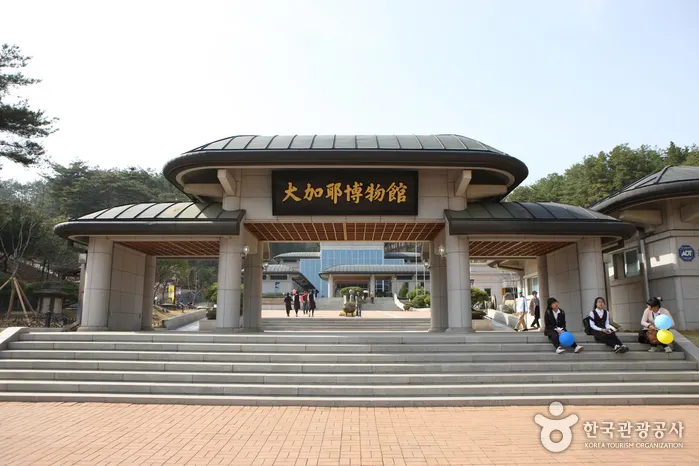
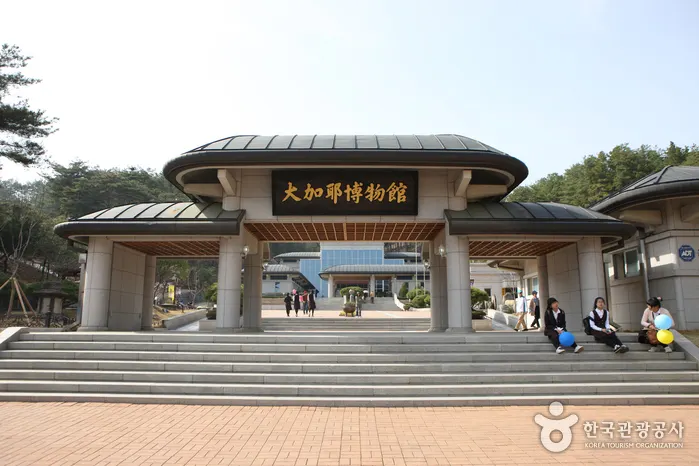
  1. 1.Daegaya Museum (대가야 박물관)

    Daegaya Museum (대가야 박물관)

    Daegaya Museum in Goryeong showcases the history and artifacts of the influential Daegaya kingdom.

    • Focuses on the Daegaya kingdom (5th-6th century)
    • Features gold ornaments and pottery
    • Located next to the Jisan-dong Tombs

    This museum is the premier public institution dedicated to the Daegaya kingdom, a major polity that existed alongside the Three Kingdoms. Its collection includes exquisite gold ornaments, distinctive pottery, and iron weapons, offering a tangible connection to this ancient civilization. Situated adjacent to the Jisan-dong Tombs, home to approximately 700 burial mounds and the largest Gaya royal tomb discovered, it provides a comprehensive understanding of the era.

    Address: 1203, Daegaya-ro, Goryeong-gun, Gyeongsangbuk-do

    More info
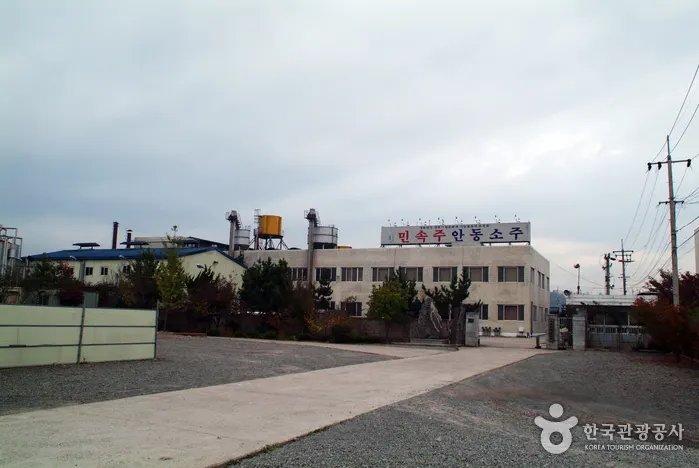
  2. 2.Andong Soju & Traditional Food Museum (안동소주·전통음식 박물관)

    Andong Soju & Traditional Food Museum (안동소주·전통음식 박물관)

    Andong Soju & Traditional Food Museum explores the heritage of a renowned Korean spirit and local cuisine.

    • Dedicated to Andong Soju tradition
    • Features a working distillery
    • Showcases traditional Andong dishes

    This museum celebrates Andong Soju, a highly respected traditional Korean spirit known for its distinct centuries-old distillation method. Visitors can learn about its history and techniques, observe a functioning distillery, and explore exhibits on traditional Andong foods like Heotjesabap. The museum also offers tasting flights, providing a sensory experience of local culinary heritage.

    Address: 71-1, Gangnam-ro, Andong-si, Gyeongsangbuk-do

    More info
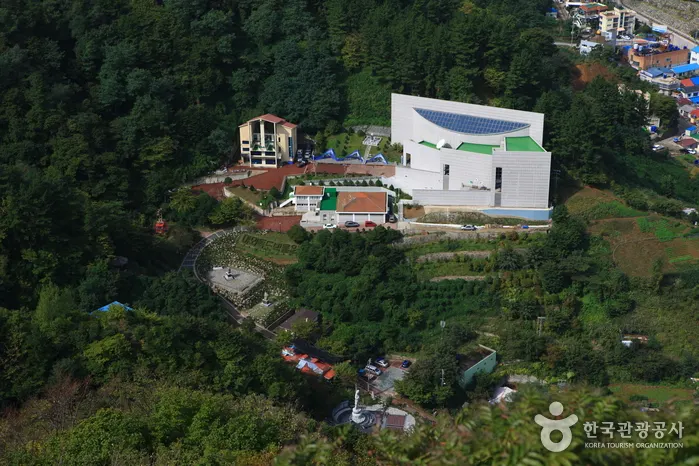
  3. 3.Dokdo Museum (독도 박물관)

    Dokdo Museum (독도 박물관)

    Dokdo Museum on Ulleungdo documents Korea's historical claims and the natural aspects of Dokdo Island.

    • Focuses on Dokdo Island's sovereignty
    • Houses historical documents and maps
    • Located on Ulleung Island

    Located on Ulleungdo, the Dokdo Museum serves as a crucial repository for materials supporting Korea's territorial claims over Dokdo. It holds an extensive collection of historical documents, maps, and photographs, alongside geological and ecological data about the island. Its position on Ulleungdo makes it a convenient base for those attempting to visit Dokdo, weather permitting.

    Address: 90-17, Yaksuteo-gil, Ulleung-gun, Gyeongsangbuk-do

    More info
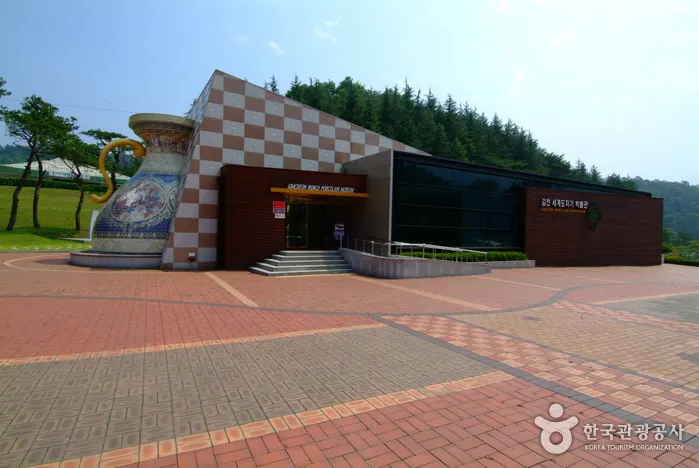
  4. 4.Gimcheon World Porcelain Museum (김천 세계도자기박물관)

    Gimcheon World Porcelain Museum (김천 세계도자기박물관)

    Gimcheon World Porcelain Museum displays a global collection of ceramic art, including Korean, Chinese, and European pieces.

    • Features global ceramic traditions
    • Includes Goryeo celadon and Joseon white porcelain
    • Showcases European porcelain

    This museum offers a broad perspective on ceramic art, presenting permanent collections that span Korean traditional ceramics like Goryeo celadon and Joseon white porcelain, alongside Chinese, Japanese, and European traditions. Its curated approach provides a rare international frame for a regional Korean museum, allowing for comparative study of diverse pottery styles and histories.

    Address: 118, Jikjisa-gil, Gimcheon-si, Gyeongsangbuk-do

    More info
  5. 5.Andong Folk Museum (안동민속박물관)

    Andong Folk Museum (안동민속박물관)

    Andong Folk Museum preserves the traditional folk culture of the Andong region, including domestic life and rituals.

    • Covers Andong's traditional folk culture
    • Details domestic life and rituals
    • Part of a larger folk village complex

    Perched on the slopes above Andong's Wolyeong Bridge, this museum delves into the rich folk culture of the Andong region. It explores various aspects of daily life, agricultural practices, ancestral rites, and community customs. Andong is noted for its preservation of Joseon Dynasty aristocratic traditions, giving the museum's collection a unique depth in showcasing both noble and commoner life.

    Address: 13, Minsokchon-gil, Andong-si, Gyeongsangbuk-do

    More info
  6. 6.Cheongsong Folk Museum (청송민속박물관)

    Cheongsong Folk Museum (청송민속박물관)

    Cheongsong Folk Museum highlights the cultural heritage and traditional folk life of the Cheongsong area.

    • Dedicated to Cheongsong's cultural heritage
    • Displays folk life materials and documents
    • Located in a region with strong traditions

    This museum in Cheongsong focuses on the area's unique cultural-historical heritage and traditional folk life. Visitors can explore regional traditions, everyday objects, tools, and historical documents that illustrate the broader cultural context of Cheongsong. The region is known for its pristine inland mountainous landscape and strong cultural traditions, making the museum a good complement to visits to nearby natural sites like Juwangsan National Park.

    Address: 222, Juwangsan-ro, Cheongsong-gun, Gyeongsangbuk-do

    More info
  7. 7.송강미술관

    송강미술관

    Songgang Art Museum is dedicated to the literary and artistic legacy of Joseon scholar Songgang Jeong Cheol.

    • Focuses on Songgang Jeong Cheol
    • Features his Gasa poetry
    • Explores Joseon literary culture

    This public museum honors Songgang Jeong Cheol, a prominent Joseon Dynasty scholar and master of Gasa, a form of classical Korean poetry. The museum traces his life, major literary works, and his role in the political and cultural landscape of the era. It provides valuable context on the broader tradition of classical Korean literature, making it a significant stop for those interested in Korean literary history.

    Address: 경상북도 안동시 서후면 이송천길 240-10

    More info

FAQ

What is the best time to visit Gyeongbuk's museums?

Museums are generally open year-round. Spring (April-May) and autumn (September-October) offer pleasant weather for exploring the surrounding areas, making them ideal times for a museum visit combined with outdoor sightseeing.

How is the best way to get around Gyeongbuk?

Gyeongbuk is best explored by car, especially for reaching more remote museums. However, major cities like Andong and Gimcheon have public transportation. Intercity buses and trains connect the larger towns, and local buses or taxis can be used for shorter distances.

What is a good budget tip for visiting museums?

Many public museums in Gyeongbuk offer free admission. For those with an entrance fee, check for potential discounts for students, seniors, or group visitors. Visiting smaller, local folk museums can also be a more affordable way to experience regional culture.

What attractions pair well with these museums?

Many museums are located near historical sites, traditional villages, or natural attractions. For example, the Daegaya Museum pairs well with the adjacent ancient tombs, and the Dokdo Museum on Ulleungdo is a natural stop before or after a boat trip to Dokdo.

Are there any specific etiquette rules to follow?

As in most museums, it's important to maintain a quiet atmosphere, avoid touching exhibits unless permitted, and refrain from flash photography. Always follow the instructions of museum staff to ensure the preservation of the artifacts and a pleasant experience for all visitors.