Itinerary
"A Tranquil Escape with a View?"... Andong Gosanjeong Pavilion, Gyeongbuk's Architectural Gem
Discover Gosanjeong Pavilion, a historic Korean structure in Andong, Gyeongbuk, offering a serene blend of classical architecture and natural beauty. Explore its cultural significance and peaceful surroundings.
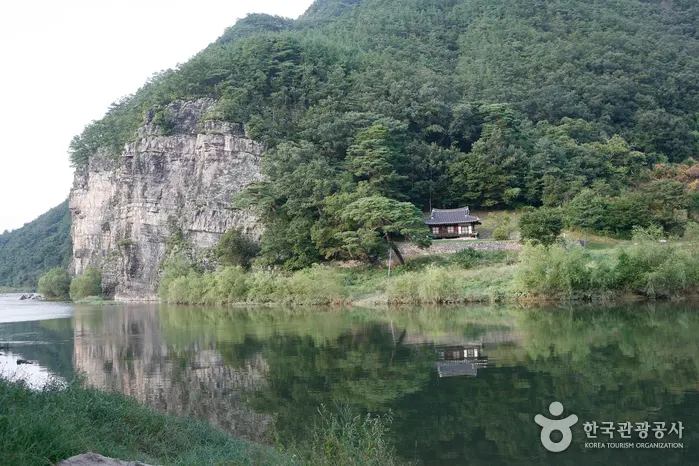
Nestled within the scenic landscapes of Gyeongsangbuk-do, Gosanjeong Pavilion stands as a testament to Korea's rich architectural heritage. This traditional structure, dating back to the Joseon Dynasty, offers a serene retreat for visitors seeking a glimpse into the past. With its elegant design and harmonious integration with nature, Gosanjeong invites contemplation and appreciation of classical Korean aesthetics. Its historical significance and tranquil setting make it a unique destination for those drawn to Korea's cultural treasures.
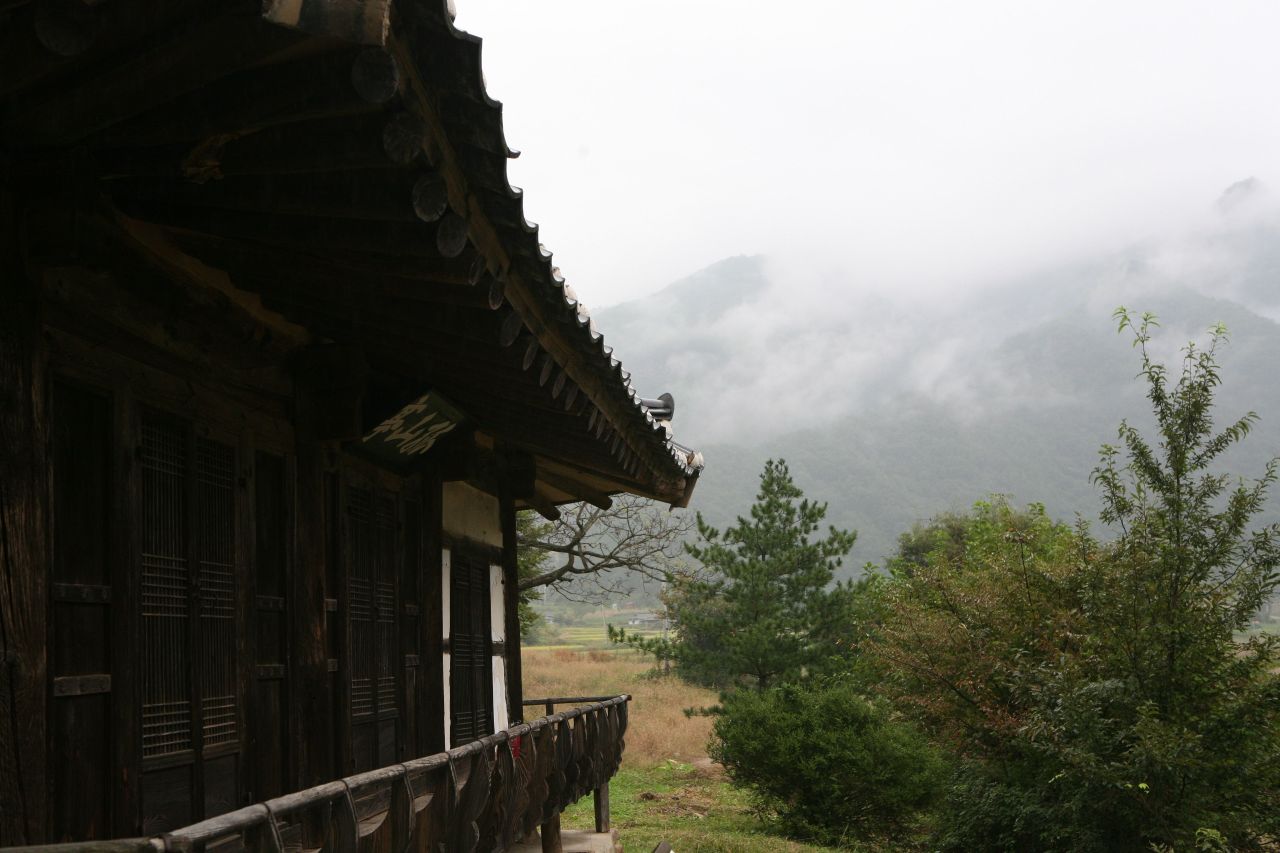
The Enduring Charm of Gosanjeong Pavilion
Gosanjeong Pavilion, meaning 'high mountain pavilion,' was built in 1752 by Yi Cheon-bo, a scholar and official during the Joseon Dynasty. Its name reflects its elevated location, offering panoramic views of the surrounding natural beauty.
The pavilion's design adheres to the principles of traditional Korean architecture, emphasizing balance, simplicity, and harmony with its environment. Constructed with wood and stone, it embodies the minimalist aesthetic valued in Korean culture, where the focus is on natural materials and understated elegance.
The pavilion's strategic placement is not accidental; it was designed to maximize the appreciation of the landscape. The careful siting allows visitors to observe the changing seasons and the gentle flow of the nearby river, creating a dynamic yet peaceful vista.
This integration of man-made structure with the natural world is a hallmark of traditional Korean garden and pavilion design, reflecting a deep respect for nature and a philosophical approach to living in harmony with it. The very essence of Gosanjeong lies in this thoughtful symbiosis.
Historically, pavilions like Gosanjeong served as spaces for scholars and literati to gather, compose poetry, paint, and engage in philosophical discussions. They were places of respite from the pressures of official life and centers for intellectual and artistic pursuits.
Walking through Gosanjeong, one can imagine the conversations and creative endeavors that took place within its walls centuries ago, connecting with a legacy of intellectual and artistic tradition that continues to resonate.
Architectural Significance and Artistic Appeal
Gosanjeong Pavilion's architectural style is representative of mid-Joseon era pavilion construction. It features a gabled roof with intricate wooden joinery, supported by sturdy stone pillars.
The main hall is open on all sides, allowing the breeze to flow through and offering unobstructed views of the landscape. This open-air design is characteristic of Korean pavilions, designed to embrace the surrounding nature rather than isolate the occupants from it.
The pavilion's interior is simple yet refined. Minimalist wooden floors and perhaps a few low tables would have been the typical furnishings, designed to not detract from the natural beauty visible from the windows.
The construction materials themselves—wood, stone, and earth—are celebrated for their natural textures and colors, contributing to the pavilion's serene and organic feel. The artistry lies not in ornamentation, but in the skillful execution of form and the sensitive handling of materials.
Experiencing the Serenity of Gosanjeong
A visit to Gosanjeong Pavilion is an invitation to slow down and immerse oneself in a tranquil environment. The journey to the pavilion itself can be part of the experience, often involving walking along scenic paths that lead to its elevated position. Upon arrival, visitors are encouraged to take their time exploring the pavilion's structure and its immediate surroundings, absorbing the peaceful atmosphere.
Photography enthusiasts will find ample opportunities to capture the pavilion's architectural details against the backdrop of the natural landscape. The interplay of light and shadow throughout the day, the seasonal changes in foliage, and the panoramic views offer a rich canvas for creative expression.
Beyond photography, the site is ideal for quiet contemplation, sketching, or simply enjoying a moment of peace away from the bustle of modern life.
Planning Your Visit to Gosanjeong
Gosanjeong Pavilion is located in Andong city, Gyeongsangbuk-do. It is part of the broader cultural landscape of the region, which is rich in historical sites and traditional villages.
Access typically involves a short drive followed by a walk. While there are no admission fees, it's advisable to check local tourism websites for the most current information regarding operating hours or any potential access restrictions, although such restrictions are rare for this type of site.
The best times to visit are during the spring for its blooming flora, autumn for the vibrant foliage, or even winter for its stark, quiet beauty. Consider combining your visit with other nearby attractions in Andong, such as the Hahoe Folk Village or the Confucian Academy of Byeongsanseowon, to create a fuller itinerary exploring the region's historical and cultural depth.
Where is Gosanjeong Pavilion located?
Gosanjeong Pavilion is situated in Andong City, Gyeongsangbuk-do Province, South Korea.
What are the main features of Gosanjeong?
It's a traditional Joseon Dynasty pavilion known for its classical architecture and scenic natural setting.
Is there an admission fee to visit Gosanjeong?
Typically, there is no admission fee to visit Gosanjeong Pavilion.
What are nearby attractions to Gosanjeong?
Nearby attractions include Hahoe Folk Village and Byeongsanseowon Confucian Academy.
How can I get to Gosanjeong Pavilion?
Access usually involves driving to the vicinity and then a short walk to the pavilion.