Itinerary
"A Bridge to the Past?"... Jangjagyogyo (Gunsan), Echoes of Japanese Colonial History
Discover Jangjagyogyo, a historic bridge in Gunsan, South Korea. Learn about its past and its role in the city's unique heritage.
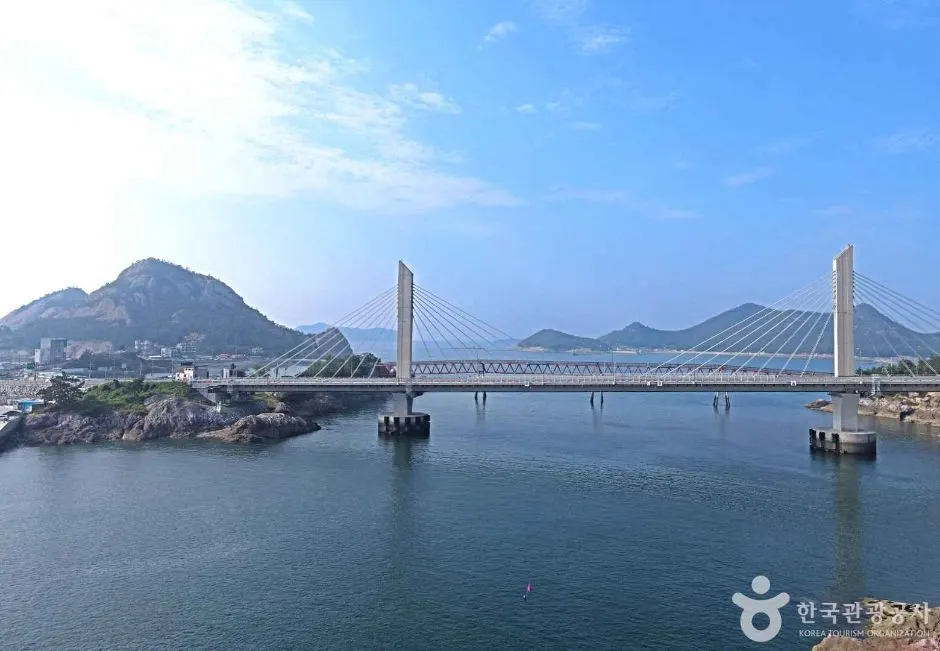
Step across Jangjagyogyo, a bridge in Gunsan that whispers tales of a bygone era. More than just a crossing, this structure stands as a tangible link to Korea's past, particularly its period under Japanese colonial rule. As you walk its length, you'll feel the weight of history and gain a deeper appreciation for the complex narratives embedded within this coastal city.
The Enduring Presence of Japanese Colonial Architecture

Jangjagyogyo, or Jangja Bridge, is an integral part of the landscape in Gunsan, a city that retains a significant number of buildings and sites from the Japanese colonial period (1910-1945). The bridge itself, constructed during this era, served as a vital transportation artery, facilitating the movement of goods and people, often for the benefit of the occupying forces and Japanese businesses.
Its presence is a constant reminder of the architectural styles and urban planning that were imposed during those decades.
Gunsan's historical district, where Jangjagyogyo is located, offers a unique window into this period. Unlike many other Korean cities that have largely erased or redeveloped their colonial-era structures, Gunsan has preserved many of them, transforming them into museums, cafes, and cultural spaces.
This deliberate preservation allows visitors to immerse themselves in the atmosphere of the past and understand the physical legacy left behind. The bridge plays a crucial role in this narrative, connecting different parts of the historical area and serving as a landmark within it.
What Makes Jangjagyogyo Significant?

The significance of Jangjagyogyo lies not only in its age but also in its context within Gunsan's broader historical narrative. Built during a time of foreign occupation, the bridge's very existence is a testament to the complex and often painful history of Korea.
It facilitated the economic activities that were largely controlled by the Japanese, including the export of rice and other resources. Understanding this history is key to appreciating the layered meanings embedded in the structures of Gunsan.
Beyond its historical role, Jangjagyogyo also offers aesthetic appeal and functional value. Its design, typical of early 20th-century infrastructure, provides a distinct visual contrast to modern constructions.
For local residents and visitors alike, it serves as a convenient crossing point over the Gyuam Stream, connecting the urban fabric of the city. The surrounding area has also developed, with parks and walking paths that enhance the experience of visiting the bridge and its environs.
Experiencing the Historical Charm of Gunsan's Bridge

A visit to Jangjagyogyo is best combined with an exploration of Gunsan's well-preserved historical sites. The nearby Gunsan Modern History Museum, housed in a former Japanese bank, and the Jinpo Maritime Theme Park offer deeper insights into the region's past.
Walking across the bridge itself is a simple yet profound experience, allowing you to contemplate the historical events that unfolded in this area. The gentle flow of the Gyuam Stream below and the architectural details of the bridge create a tranquil, reflective atmosphere.
Consider visiting during the early morning or late afternoon for softer light, which can enhance the photographic opportunities and the overall mood. The bridge is accessible year-round, but spring and autumn offer particularly pleasant weather for walking and exploring.
Local signage often provides historical context, enriching the visitor's understanding. It’s an opportunity to connect with a less-discussed aspect of Korean history in a tangible, accessible way.
Tips for Visiting Jangjagyogyo

Jangjagyogyo is easily accessible within Gunsan's city center, making it a convenient stop on any itinerary focused on the city's historical attractions. Public transportation options are available to reach the general vicinity, and from there, it is a short walk. Comfortable walking shoes are recommended, as exploring the historical district often involves considerable walking.
While the bridge itself is free to access and cross, be mindful of the opening hours and admission fees for nearby museums and attractions if you plan to visit them. It is advisable to check the latest information regarding these sites before your visit, as details can change. Embracing the historical narrative will undoubtedly enhance your appreciation of this unique Korean landmark.

Where is Jangjagyogyo located?
Jangjagyogyo is located in the historical district of Gunsan, Jeollabuk-do, South Korea.
What can I see at Jangjagyogyo?
You can see the historic bridge itself, an example of early 20th-century infrastructure, and appreciate its historical context.
Is there an admission fee for Jangjagyogyo?
No, crossing Jangjagyogyo is free of charge.
What are nearby attractions?
Nearby attractions include Gunsan Modern History Museum, Jinpo Maritime Theme Park, and other colonial-era buildings.
How can I get to Jangjagyogyo?
It is accessible by public transport to Gunsan's historical area, followed by a short walk.