Itinerary
"A Sacrifice for the Nation?"... Geumsan Jo Heon Shrine, a Memorial to the Seven Hundred Patriots
Discover Jo Heon Shrine (Pyochungsa) in Geumsan, Korea, a tribute to a Joseon scholar-and-militia leader and his 700 loyal followers.
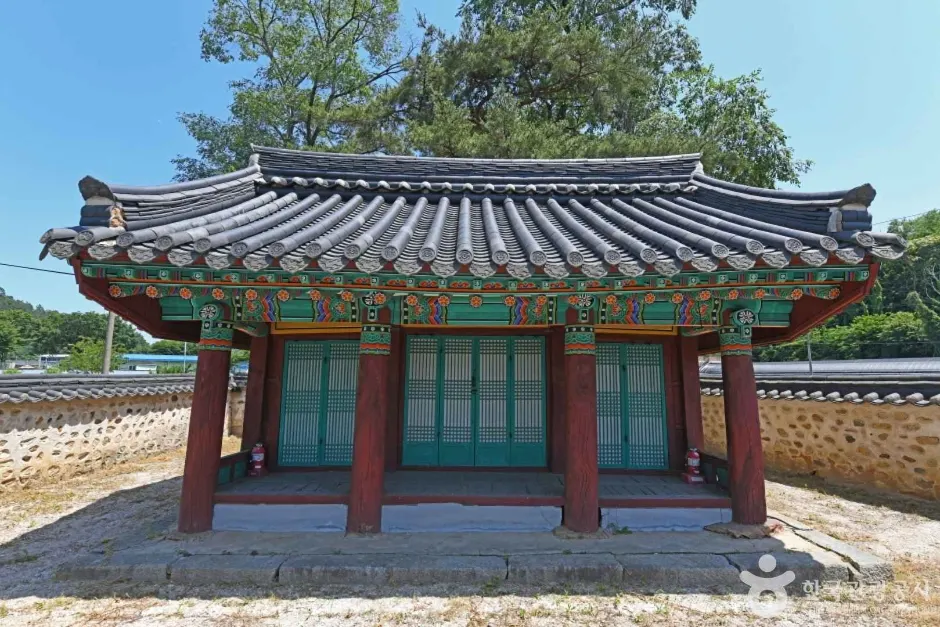
Nestled in Geumsan, South Korea, the Jo Heon Shrine, also known as Pyochungsa, stands as a quiet testament to a pivotal moment in Korean history. This public memorial honors Jo Heon, a distinguished Confucian scholar and courageous militia leader who, with his band of 700 patriots, chose to fight to the death rather than retreat during the Imjin War. His legacy as the leader of the Seven Hundred Patriots has cemented his place as a symbol of unwavering civilian heroism.
The Scholar-Who-Became-a-Warrior

Jo Heon (1544-1592) was not initially destined for the battlefield. Born into a scholarly family, he excelled in Confucian studies and was expected to pursue a life of intellectual pursuit.
However, the brutal invasion of Korea by Japanese forces during the Imjin War ignited a fierce sense of duty within him. The integrity and principles he upheld in his scholarly life were now to be tested on the harsh realities of war.
As the Japanese armies swept through the peninsula, leaving devastation in their wake, Jo Heon felt compelled to act. He recognized that the official military forces were struggling, and a different kind of resistance was needed.
He began gathering like-minded individuals, many of them ordinary citizens, who shared his commitment to defending their homeland. This was the genesis of the Seven Hundred Patriots, a volunteer militia bound by a shared resolve.
The Stand at Geumsan: A Choice of Death Over Retreat

The defining moment for Jo Heon and his Seven Hundred Patriots came at the Second Battle of Geumsan in August 1592. Facing a vastly superior enemy force, Jo Heon and his men were presented with a stark choice: surrender or fight to the bitter end.
True to their name and their ideals, they chose the latter. This decision was not one of recklessness, but a profound statement of their commitment to principles and their homeland.
The battle was fierce and ultimately tragic. The Seven Hundred Patriots fought with extraordinary bravery, inflicting significant casualties on the Japanese forces despite being heavily outnumbered. Their refusal to yield, even when faced with overwhelming odds, became a legendary act of defiance.
Jo Heon himself perished in the battle, embodying the ultimate sacrifice for his country. His story, and that of his men, resonated deeply throughout Korea.
Legacy of the Seven Hundred Patriots
The narrative of the Seven Hundred Patriots, led by Jo Heon, transcended the immediate conflict. It became a powerful symbol of civilian resistance and the willingness of ordinary people to rise up against injustice, even at the cost of their lives.
In a period of national crisis, their actions provided a beacon of hope and inspired others to join the resistance efforts. Their story is one of the most frequently cited examples of courage during the Imjin War.
The Shrine Today: A Place of Remembrance and Education

The Jo Heon Shrine (Pyochungsa) serves as the focal point for remembering this heroic chapter. The site comprises the memorial shrine itself, where descendants and the local community continue to honor Jo Heon and his patriots through annual jesa (ancestral rites).
This tradition ensures that the sacrifices made are not forgotten and are passed down through generations. Visiting the shrine offers a tangible connection to the past.
Beyond the solemnity of the shrine, interpretive panels are present to educate visitors about Jo Heon's life, his pivotal role in the Imjin War, and the broader context of civilian resistance during that era. These panels provide valuable historical insights, helping travelers understand the significance of the Seven Hundred Patriots within the larger tapestry of Korean history.
For those interested in military history or the resilience of the Korean spirit, the shrine offers a profound experience.
Visiting the Shrine
The Jo Heon Shrine is more than just a historical site; it is a place that evokes reflection on duty, sacrifice, and patriotism. The atmosphere is one of quiet dignity, allowing visitors to contemplate the events that unfolded centuries ago.
The surrounding area of Geumsan provides a tranquil backdrop, enhancing the contemplative nature of the visit. It’s a destination that appeals to those seeking a deeper understanding of Korea's historical struggles and triumphs.
Exploring Geumsan and Beyond

While Jo Heon Shrine is a significant destination on its own, it can be effectively integrated into a broader itinerary exploring the Geumsan region. The area offers opportunities to connect with local culture and understand the historical significance of the Imjin War from a different perspective.
Travelers interested in this period might also consider visiting other related historical sites or museums in the wider Chungcheongnam-do province.
Combining a visit to the shrine with exploration of Geumsan's natural beauty or local markets can create a well-rounded travel experience. The region, while perhaps less frequented by international tourists than major cities, offers a glimpse into authentic Korean life and history.
Planning a trip to Jo Heon Shrine is an opportunity to engage with a critical yet often overlooked aspect of Korean heritage, offering insights into the spirit of resistance that has shaped the nation.
Where is Jo Heon Shrine located?
Jo Heon Shrine (Pyochungsa) is located in Geumsan, South Korea.
What is the main attraction at Jo Heon Shrine?
It's a public memorial shrine dedicated to Jo Heon, leader of the Seven Hundred Patriots.
Is there an admission fee for Jo Heon Shrine?
Admission is typically free, as it is a public memorial site.
What other historical sites are near Geumsan?
Consider sites related to the Imjin War or other historical landmarks in Chungcheongnam-do province.
How can I best experience Jo Heon Shrine?
Visit to learn about Jo Heon's life and the Seven Hundred Patriots; check for local jesa (rite) schedules.