Itinerary
Daseong-dong Tombs Museum Visitor Guide — Royal Burials & Early Kingdoms
Explore the rich history of Korea's early kingdoms at the Daseong-dong Ancient Tombs Museum. Discover burial mounds, artifacts, and insights into ancient life and social structures.
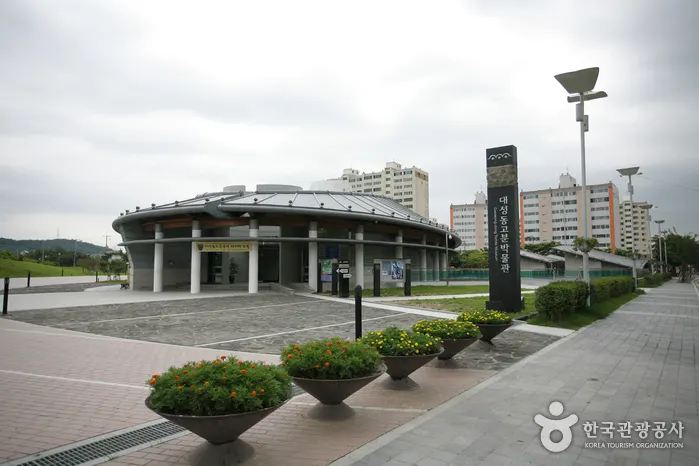
The Museum of the ancient tombs in Daseong-dong displays artifacts unearthed from the four excavations of the Daeseongdong Tumuli. Highlighting often overlooked relics of the Geumgwan Gaya, the museum has three ground-floor exhibit halls and several underground auxiliary facilities. The main exhibits include a life-sized statue of a mounted soldier and a warrior statue, both recreated based on bones excavated from the tumuli of Yean-ri. The museum relies heavily on videos and dioramas to help visitors explore all the museum has to offer.
Why Museum of the ancient tombs in Daseong-dong matters

The Daseong-dong Ancient Tombs Museum is more than just a collection of relics; it is a window into the heart of ancient Korean society, specifically focusing on the Gaya Confederacy period. Located in Gyeongju, a city steeped in historical significance, this museum preserves and exhibits the actual burial mounds and artifacts discovered in the Daseong-dong area.
Planning your visit to the Museum of the Ancient Tombs in Daseong-dong is straightforward. The museum is generally accessible throughout the year, though it's always advisable to check their official website or contact them for the most current operating hours and any potential holiday closures.
Official visitor information
Official address: 126, Gayaui-gil, Gimhae-si, Gyeongsangnam-do.
Official visiting hours: 09:00-18:00 (Last admission: 17:30).
Official closure information: Mondays, New Year's Day.
Parking: Available.
Official information contact: • 1330 Travel Hotline: +82-2-1330 · (Korean, English, Japanese, Chinese) · • For more info: +82-55-350-0401.
Official admission information: Free.
How to use this guide
Use the official information above as the planning baseline. Opening arrangements, programs, admission conditions, and access rules can change after this review. Follow the official source links before traveling, especially when your visit depends on a particular exhibition, performance, seasonal activity, or facility.
The remaining recommendations on this page are editorial guidance for understanding the setting and organizing a visit. They are not a substitute for instructions issued by the venue, local government, cultural-property authority, or transport operator.
Responsible visit checklist
Before leaving
- Open the official venue page and confirm the latest operating notice.
- Check weather and transport conditions on the day of travel.
- Respect residential, religious, ecological, and cultural-property rules where applicable.
- Allow flexibility rather than relying on an exact minute-by-minute schedule.
- Use the official information contact when accessibility or reservation details are essential.
Where is Museum of the ancient tombs in Daseong-dong?
126, Gayaui-gil, Gimhae-si, Gyeongsangnam-do
Where should I confirm current hours and closures?
Use the official source links in the reviewed-for-accuracy panel on this page.
When was this information checked?
The reviewed-for-accuracy panel shows the latest human review date and source record.