Itinerary
National Museum of Korea Visitor Guide — History, Culture & Location
Explore centuries of Korean heritage at the National Museum of Korea, one of Asia's largest cultural institutions, housing diverse artifacts and art.
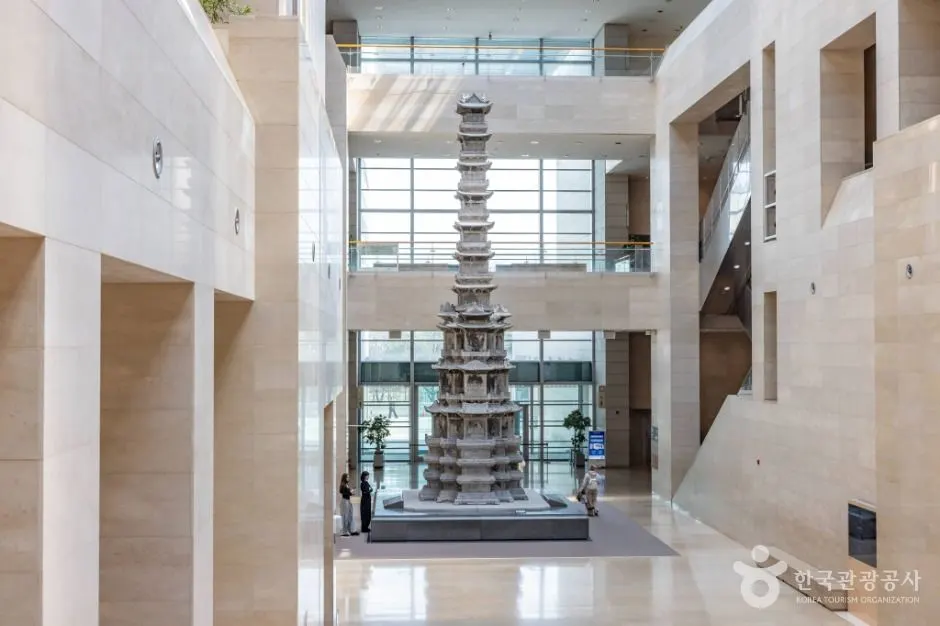
The National Museum of Korea houses a vast collection of artifacts from ancient times to the modern era in a wide range of topics, including art and culture. The museum houses a Children's Museum, where visitors can learn more about the nation's history through educational programs and experiences. The outdoor grounds feature pagodas and other stone artworks too large to be on display inside.In addition to galleries with a wide array of national and international pieces, the National Museum of Korea is a stage for a number of cultural activities related to collection, preservation, research and analysis, social training, academic publications, intercultural exchange programs, concerts, and more.
Why National Museum of Korea matters

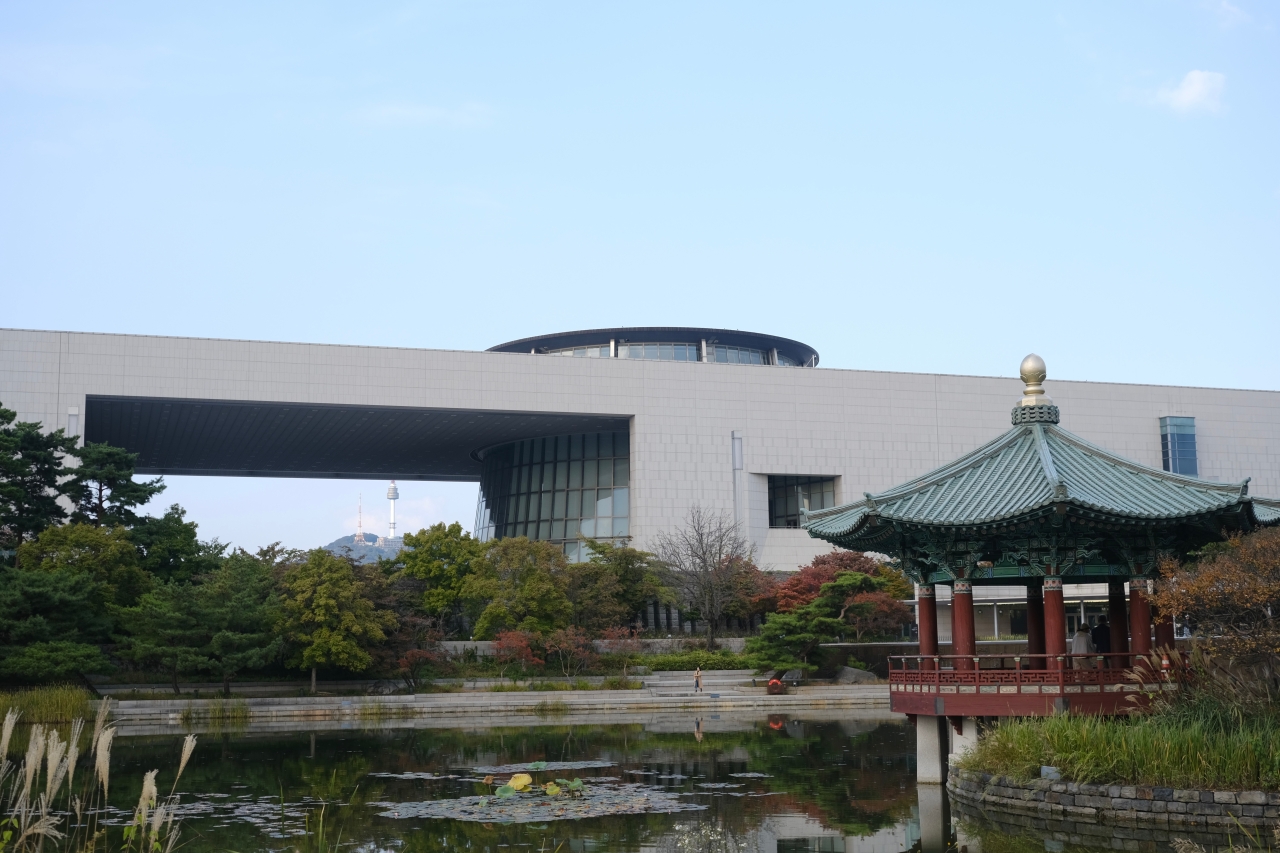
The museum's vast holdings are meticulously organized across several permanent exhibition halls, offering a comprehensive overview of Korean history and art. The first floor is dedicated to archaeology and history, presenting artifacts that trace the nation's lineage from the Paleolithic era through the Unified Silla period.
The National Museum of Korea is not merely a repository of artifacts; it is a masterpiece of modern architecture that harmonizes with traditional Korean aesthetics. Its design, featuring a grand facade and expansive interior spaces, provides a fittingly majestic setting for the treasures it holds.
Official visitor information
Official address: 137 Seobinggo-ro, Yongsan-gu, Seoul.
Official visiting hours: [Indoor exhibition]Mon-Tue, Thu-Fri, Sun 09:30-17:30 (Last admission 17:00)Wed & Sat 09:30-21:00 (Last admission 20:30)[Outdoor exhibition (garden)]07:00-22:00.
Official closure information: January 1, the day of Seollal (Lunar New Year’s Day) & Chuseok (Korean Thanksgiving Day) [Permanent exhibition hall] 1st Monday of March, June, September, and December.
Parking availability is not stated in the current official record.
Official information contact: +82-2-2077-9000.
Official admission information: Free (Separate fee may apply to special exhibitions).
How to use this guide
Use the official information above as the planning baseline. Opening arrangements, programs, admission conditions, and access rules can change after this review. Follow the official source links before traveling, especially when your visit depends on a particular exhibition, performance, seasonal activity, or facility.
The remaining recommendations on this page are editorial guidance for understanding the setting and organizing a visit. They are not a substitute for instructions issued by the venue, local government, cultural-property authority, or transport operator.
Responsible visit checklist
Before leaving
- Open the official venue page and confirm the latest operating notice.
- Check weather and transport conditions on the day of travel.
- Respect residential, religious, ecological, and cultural-property rules where applicable.
- Allow flexibility rather than relying on an exact minute-by-minute schedule.
- Use the official information contact when accessibility or reservation details are essential.
Where is National Museum of Korea?
137 Seobinggo-ro, Yongsan-gu, Seoul
Where should I confirm current hours and closures?
Use the official source links in the reviewed-for-accuracy panel on this page.
When was this information checked?
The reviewed-for-accuracy panel shows the latest human review date and source record.