Seasonal
"Coastal cliffs and a century of history?"... Songaksan Mountain, Jeju's dramatic seaside walk
Discover Songaksan, Jeju's dramatic coastal volcanic peak. Walk a 2.8km rim trail with stunning views and WWII bunkers.
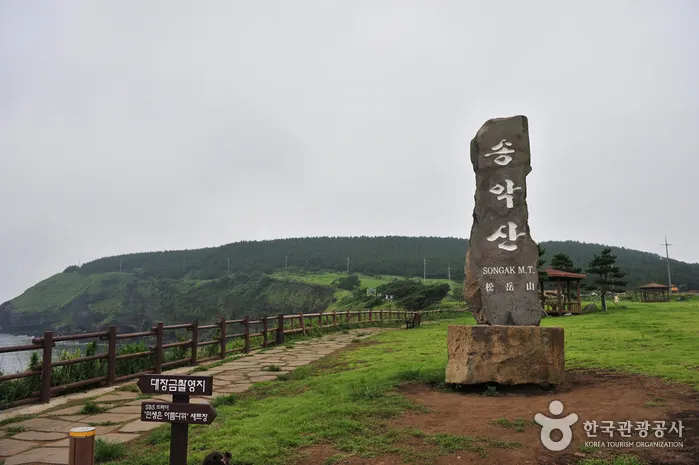
Songaksan Mountain, a volcanic tuff cone on Jeju's southwestern coast, offers one of the island's most captivating walking experiences. The 2.8-kilometer loop trail winds along dramatic sea cliffs, providing breathtaking panoramas of the ocean, nearby islands, and the distant Hallasan. This relatively easy hike, completed in about ninety minutes, is enhanced by the historical presence of World War II Japanese coastal fortifications carved into the rock face.
The Allure of Songaksan's Coastal Trail

The primary draw of Songaksan is its remarkable 2.8-kilometer circular path. This trail is meticulously designed, beginning with a stable wooden boardwalk that traces the very edge of the coastal cliffs.
This elevated walkway ensures safe passage while maximizing the unobstructed views of the azure sea stretching out to the horizon. The salty sea breeze and the rhythmic sound of waves crashing against the rocks below create an immersive sensory experience. As the trail progresses, it transitions from the boardwalk to a gently ascending path, leading you higher for even more expansive vistas.
This careful construction allows visitors to safely appreciate the rugged beauty of Jeju's coastline without compromising the natural landscape.
From these vantage points, the scenery is truly spectacular. On clear days, the majestic peak of Hallasan, Jeju's highest mountain, stands proudly in the distance, offering a striking contrast to the coastal panorama. To the west, the picturesque islands of Gapado and Marado appear like emerald jewels scattered across the ocean.
Gapado, known for its flat terrain and vibrant canola flower fields in spring, is a popular day trip destination. Marado, the southernmost island of Korea, holds its own unique charm and is accessible via ferry from the harbor near the Songaksan trail entrance. The juxtaposition of the volcanic landscape, the vast ocean, and the distant islands creates a visually stunning tableau that changes with the light throughout the day.
Echoes of History: The WWII Bunkers

Adding a profound historical dimension to the natural beauty, Songaksan is home to remnants of its past as a strategic military location. During the Japanese occupation of Korea, particularly in the lead-up to and during World War II, the Korean peninsula was heavily fortified by the Japanese military. Songaksan's commanding coastal position made it an ideal site for defensive structures.
Visitors can observe several concrete bunkers and tunnels that were expertly carved directly into the sheer volcanic cliffs. These structures served as observation posts and artillery positions, aimed at monitoring sea traffic and defending against potential Allied naval invasions.
Walking along the trail, you'll encounter these historical artifacts integrated into the landscape. Signs and informational panels often accompany these sites, providing context about their purpose and the historical period. The presence of these bunkers serves as a somber reminder of the turbulent history the region has witnessed.
It encourages reflection on the strategic importance of Jeju Island and the sacrifices made during that era. The contrast between the tranquil natural environment today and the military installations of the past creates a powerful and thought-provoking experience for visitors, offering a layered appreciation of Songaksan beyond its scenic appeal.
Experiencing the Songaksan Trail: Practicalities and Delights

The Songaksan loop trail is designed for accessibility and enjoyment, typically taking around ninety minutes to complete at a leisurely pace. This timeframe allows ample opportunity to pause, take photographs, and simply soak in the magnificent surroundings. The trail is well-maintained, with clear signage guiding visitors along the route.
While the path is generally gentle, there are some inclines, especially as you reach the higher viewpoints. Comfortable walking shoes are recommended, although the terrain is not overly demanding. The best times to visit are often in the early morning or late afternoon.
The golden hour, just before sunset, casts a warm, ethereal glow over the landscape, enhancing the photographic potential and creating a truly magical atmosphere.
One of the unique advantages of visiting Songaksan is its proximity to the ferry terminal for Marado. For those who wish to extend their island exploration, catching a ferry to Marado, Korea's southernmost inhabited island, is a convenient option. Ferries depart regularly from the harbor located near the starting point of the Songaksan trail.
This makes it possible to combine a scenic coastal walk with a visit to another distinct Jeju-affiliated islet within the same day. Planning your visit to include both Songaksan and a trip to Marado can offer a comprehensive experience of the region's natural beauty and island culture.
Tips for Your Visit to Songaksan Mountain

When planning your trip to Songaksan, consider the weather conditions. Jeju's coastal areas can be quite windy, especially during certain seasons. Dressing in layers is advisable, allowing you to adjust to changing temperatures and wind intensity.
Visiting during the shoulder seasons, such as spring or autumn, often provides pleasant weather and fewer crowds compared to the peak summer months. These periods also offer distinct seasonal beauty, with spring bringing potential wildflowers and autumn painting the landscape in warmer hues.
Parking is available near the entrance of the trail, and the area is generally well-equipped to handle visitors. While there are no extensive facilities directly on the trail itself, you will typically find some vendors selling snacks and drinks near the trailhead.
For a more comprehensive meal or rest, it is advisable to explore dining options in nearby towns or villages before or after your hike. Remember to bring water, especially during warmer months, and to practice responsible tourism by disposing of any trash properly.
Where is Songaksan Mountain located?
Songaksan is located on the southwestern coast of Jeju Island, near Moseulpo Port.
What are the main attractions at Songaksan?
The main attractions are the 2.8km coastal rim trail, panoramic ocean views, and WWII Japanese coastal bunkers.
Is there an admission fee for Songaksan?
There is typically no admission fee to walk the Songaksan coastal trail.
What are good nearby attractions to combine with Songaksan?
Consider pairing it with a ferry trip to Marado or visiting nearby Sanbangsan Mountain.
How long does the Songaksan trail take, and is it difficult?
The loop trail takes about 90 minutes at a relaxed pace and is considered moderately easy with some gentle inclines.