Itinerary
Independence Hall of Korea Visitor Guide — Location, Hours & Exhibits
Explore the Independence Hall of Korea, a vast museum in Cheonan dedicated to the nation's independence movement. Discover history through exhibits and outdoor monuments.
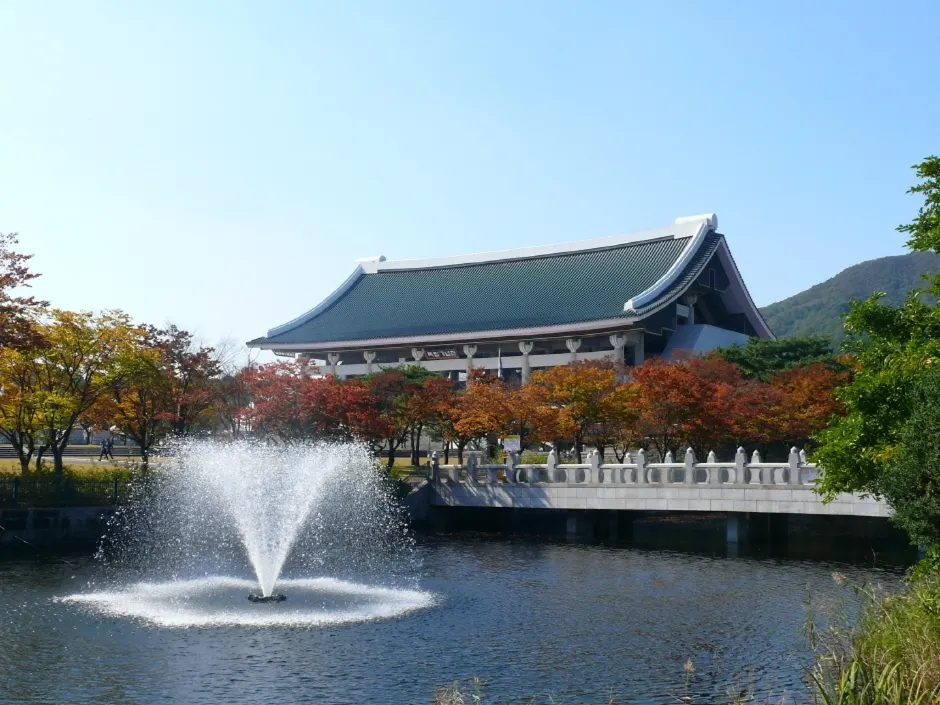
The Independence Hall of Korea collects, preserves, displays, and researches Korean historical documents and relics from the past to the present, focusing on the independence movements during the Japanese colonial period. The Independence Hall officially opened on the anniversary of Independence Day in 1987 thanks to donations from the public. ◎ Travel Information to Experience the Charm of Hallyu - Variety Show The Independence Hall of Korea, where visitors can encounter the passionate history of Koreans who created K-culture, is home to the Monument to the Nation, which displays its grandeur even from afar, and the Hall of the Nation, the largest traditional tiled building in Asia. Visitors are recommended to explore the Hill of Hope for Reunification and the Bell of Unification, where ATEEZ played the Golden Bell game, and experience the spirit of Korea.
Why The Independence Hall of Korea matters


A Nation's Story: The Independence Hall's Mission
The Independence Hall's appeal extends far beyond its indoor galleries. The vast outdoor campus is a landscape of commemoration and reflection. Dominating the central plaza is the 'Monument to the Nation' (Gyeoryeui Top), a towering structure symbolizing the unity and enduring spirit of the Korean people. Its design, inspired by traditional Korean obelisks, reaches towards the sky, a beacon of hope.
Official visitor information
Official address: 1, Dongnipginyeomgwan-ro, Dongnam-gu, Cheonan-si, Chungcheongnam-do.
Official visiting hours: [March-October] 09:30-18:00 / [November-February] 09:30-17:00 (* Last admission: 1 hour before closing).
Official closure information: Mondays (Remains open if Monday is a public holiday).
Parking availability is not stated in the current official record.
Official information contact: +82-41-560-0114.
Official admission information: Free a shuttle bus : 5,000 won for adults and 3,500 won for children.
How to use this guide
Use the official information above as the planning baseline. Opening arrangements, programs, admission conditions, and access rules can change after this review. Follow the official source links before traveling, especially when your visit depends on a particular exhibition, performance, seasonal activity, or facility.
The remaining recommendations on this page are editorial guidance for understanding the setting and organizing a visit. They are not a substitute for instructions issued by the venue, local government, cultural-property authority, or transport operator.
Responsible visit checklist
Before leaving
- Open the official venue page and confirm the latest operating notice.
- Check weather and transport conditions on the day of travel.
- Respect residential, religious, ecological, and cultural-property rules where applicable.
- Allow flexibility rather than relying on an exact minute-by-minute schedule.
- Use the official information contact when accessibility or reservation details are essential.
Where is The Independence Hall of Korea?
1, Dongnipginyeomgwan-ro, Dongnam-gu, Cheonan-si, Chungcheongnam-do
Where should I confirm current hours and closures?
Use the official source links in the reviewed-for-accuracy panel on this page.
When was this information checked?
The reviewed-for-accuracy panel shows the latest human review date and source record.