Seasonal
Wibongsanseong County Park Visitor Guide — History, Nature & Location
Explore Wibongsanseong, a historic mountain fortress in North Jeolla Province, offering scenic hiking trails amidst well-preserved stone walls and lush forests.
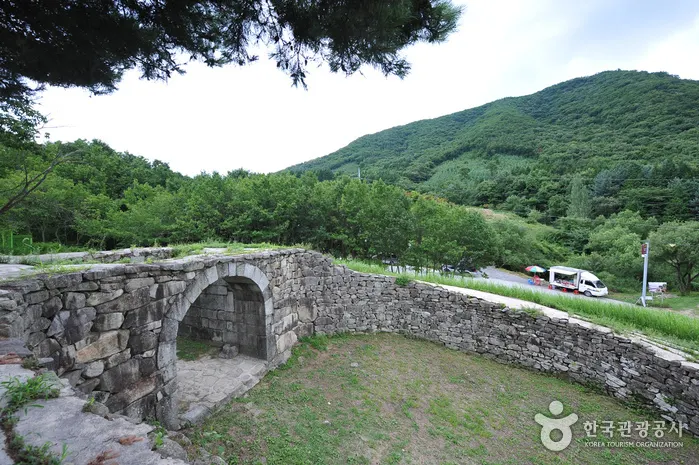
Wibongsanseong County Park is located north of Jeonju, past Songgwangsa Temple through a tunnel of cherry trees. The park has some noteworthy sightseeing attractions such as Wibongpokpo Falls, Wibongsa Temple, and Dongsang Reservoir. Winbongsanseong County Park was founded at the site of Winbongsanseong Fortress, which was built under King Sukjong's rule in 1675 as a refuge site to safekeep the portrait of Joeson dynasty's founder King Taejo and the royal family's ancestral tablet in times of war or other national emergency. They are originally enshrined in Gyeonggijeon Shrine and Jogyeongmyo Shrine, and when Jeonju had fallen during the Donghak Peasant Revolution, the portrait and tablet were moved to a small palace inside the fortress. The original fortress walls were 16 kilometers in circumference with three gates in the north, east, and west, but only a half-moon shaped western gate remains standing today.
Why Wibongsanseong County Park matters
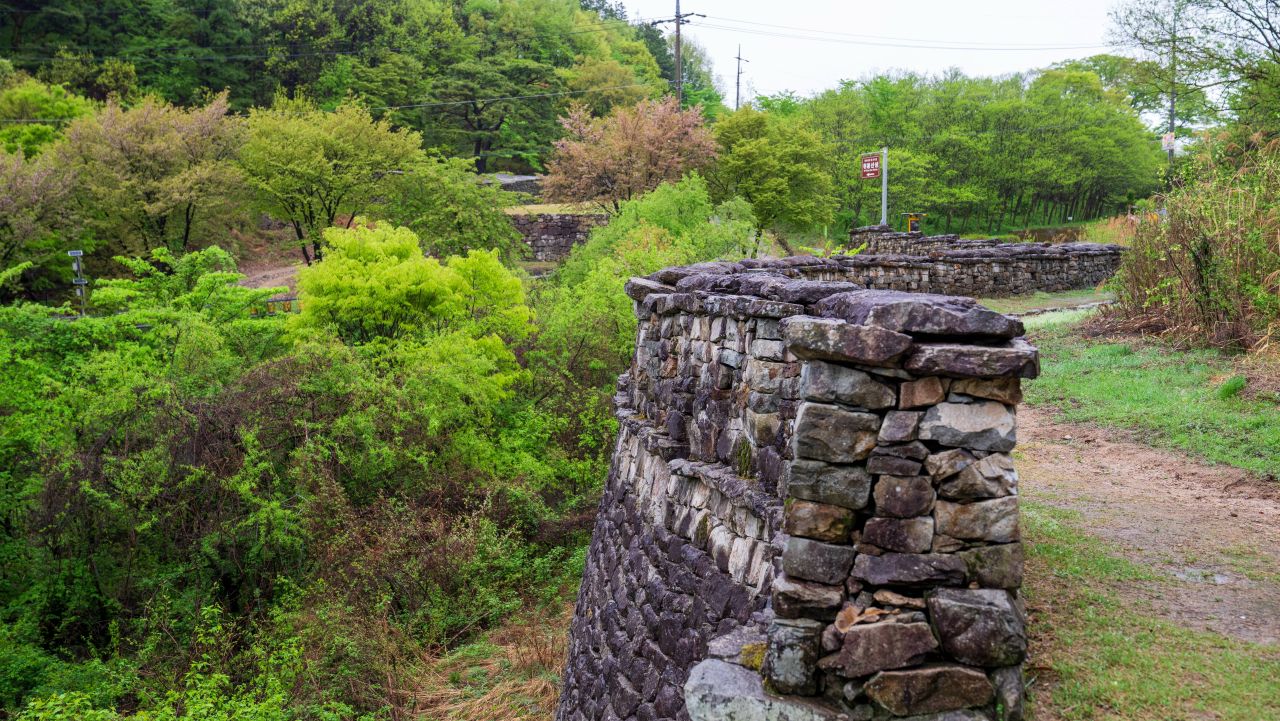
The Wibongsanseong County Park encircles the fortress, transforming the historical site into a destination for nature lovers and hikers. The park is crisscrossed with well-maintained trails that cater to a range of abilities, from casual strollers to seasoned trekkers.
Wibongsanseong is located in the vicinity of Jeonju, making it accessible for a day trip or as part of a broader North Jeolla itinerary. While there isn't a dedicated visitor center on-site, informational signage is present along the main routes.
Official visitor information
Official address: Daeheung-ri, Wanju-gun, Jeonbuk-do.
Official visiting hours: Open 24 hr.
Official closure information: N/A (Open all year round)* Subject to closure during adverse weather conditions.
Parking: Available.
Official information contact: • 1330 Travel Hotline: +82-2-1330 (Korean, English, Japanese, Chinese) • For more info: +82-63-240-4224.
How to use this guide
Use the official information above as the planning baseline. Opening arrangements, programs, admission conditions, and access rules can change after this review. Follow the official source links before traveling, especially when your visit depends on a particular exhibition, performance, seasonal activity, or facility.
The remaining recommendations on this page are editorial guidance for understanding the setting and organizing a visit. They are not a substitute for instructions issued by the venue, local government, cultural-property authority, or transport operator.
Responsible visit checklist
Before leaving
- Open the official venue page and confirm the latest operating notice.
- Check weather and transport conditions on the day of travel.
- Respect residential, religious, ecological, and cultural-property rules where applicable.
- Allow flexibility rather than relying on an exact minute-by-minute schedule.
- Use the official information contact when accessibility or reservation details are essential.
Where is Wibongsanseong County Park?
Daeheung-ri, Wanju-gun, Jeonbuk-do
Where should I confirm current hours and closures?
Use the official source links in the reviewed-for-accuracy panel on this page.
When was this information checked?
The reviewed-for-accuracy panel shows the latest human review date and source record.