Itinerary
Oeam Folk Village Visitor Guide — Joseon Life & Hamlet
Step back in time at Oeam Folk Village, a remarkably preserved Joseon-era community in Asan, where traditional houses and lanes offer a glimpse into Korea's past.
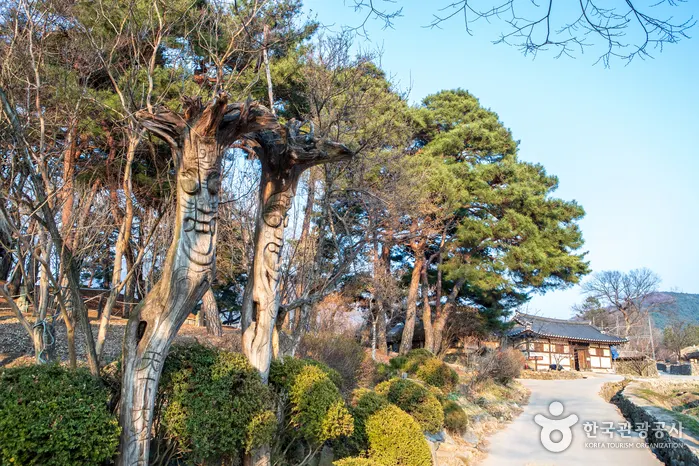
Oeam Folk Village, located in Asan, boasts a history spanning over 500 years. This agricultural village has preserved its ancient houses and cultural heritage remarkably well. At the entrance, visitors are greeted by a recreation of a traditional market. The village offers Hanokstay programs, allowing guests to stay in traditional Korean houses, and provides interactive experiences that recreate traditional Korean agricultural practices and crafts.◎ Travel Information to Discover Hallyu’s Charm - K-Drama "Missing: The Other Side 2 (2023)"The main filming location for the K-Drama "Missing: The Other Side 2" is Oeam Folk Village. As the protagonists investigate the truth in a village of souls that only they can see, the peaceful scenery of Oeam Folk Village provides a mysterious backdrop, adding depth and immersion to the series.
Why Oeam Folk Village (외암민속마을) matters

What Makes Oeam Folk Village Special?
Experiencing Oeam Folk Village
For a truly immersive experience, consider an overnight stay in one of the traditional hanok houses within the village. This allows you to witness the quiet magic of Oeam after the day-trippers have departed. Waking up to the sounds of the village stirring to life, perhaps the gentle murmur of the streams or the distant crowing of a rooster, offers a profound connection to the past.
Many of these hanok accommodations offer traditional Korean breakfast, further enhancing the cultural immersion. This extended visit provides a deeper appreciation for the village's enduring legacy.
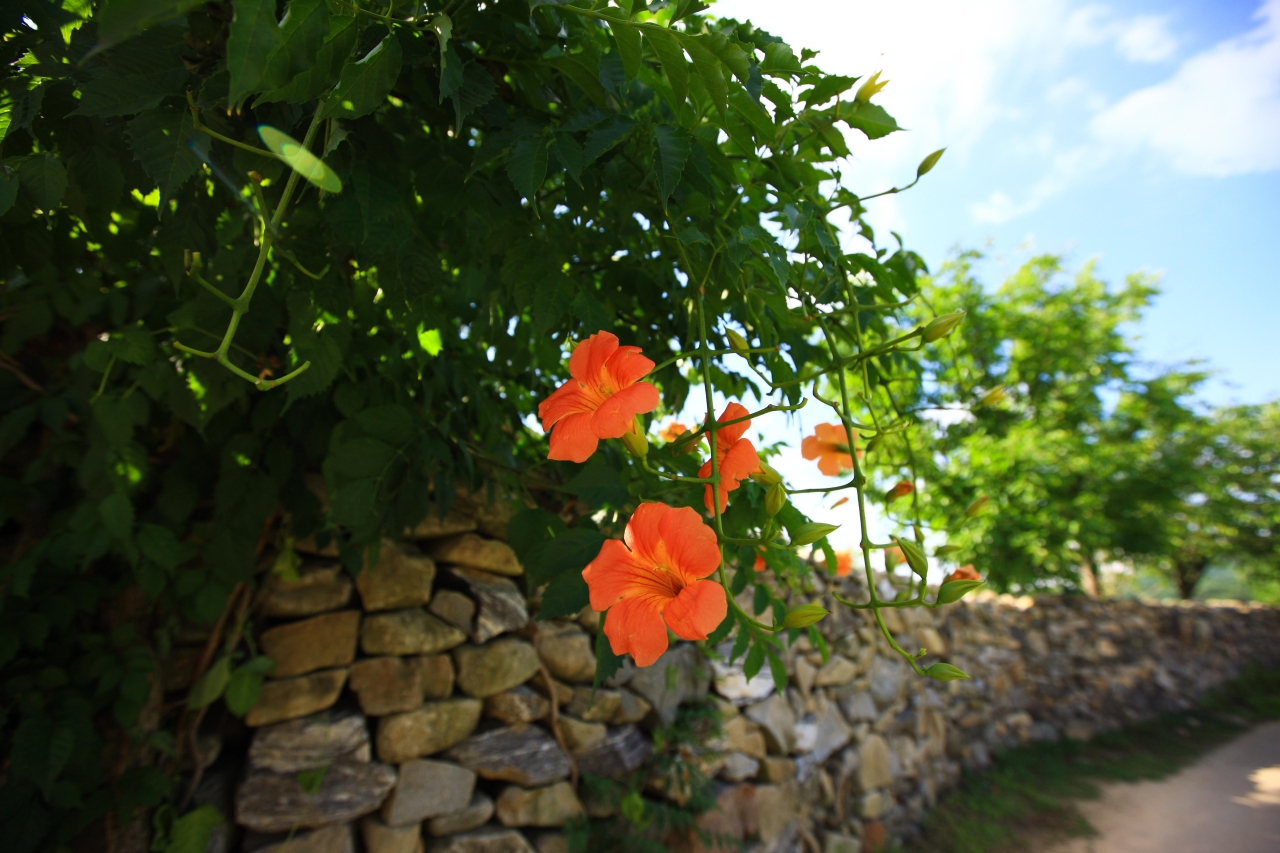
The best times to visit Oeam Folk Village are spring and autumn. During spring, the village is adorned with blooming flowers, while autumn brings a spectacular display of fall foliage, creating a picturesque backdrop for the traditional houses.
Official visitor information
Official address: 13-2 Oeamminsok-gil 9beon-gil, Songak-myeon, Asan-si, Chungcheongnam-do.
Official visiting hours: Summer season 09:00-18:00Winter season 09:00-17:00.
Official closure information: N/A (Open all year round).
Parking: Available.
Official information contact: - Ticketing inquiries: +82-41-536-8499 - Tourist information, village tour guide: +82-41-540-2110 - Volunteer activities, village facility management (stroller and wheelchair rental): +82-41-540-2654 - Preservation management, events, filming, traditional weddings: +82-41-544-8290 - Experience programs, guesthouse: +82-41-541-0848.
How to use this guide
Use the official information above as the planning baseline. Opening arrangements, programs, admission conditions, and access rules can change after this review. Follow the official source links before traveling, especially when your visit depends on a particular exhibition, performance, seasonal activity, or facility.
The remaining recommendations on this page are editorial guidance for understanding the setting and organizing a visit. They are not a substitute for instructions issued by the venue, local government, cultural-property authority, or transport operator.
Responsible visit checklist
Before leaving
- Open the official venue page and confirm the latest operating notice.
- Check weather and transport conditions on the day of travel.
- Respect residential, religious, ecological, and cultural-property rules where applicable.
- Allow flexibility rather than relying on an exact minute-by-minute schedule.
- Use the official information contact when accessibility or reservation details are essential.
Where is Oeam Folk Village (외암민속마을)?
13-2 Oeamminsok-gil 9beon-gil, Songak-myeon, Asan-si, Chungcheongnam-do
Where should I confirm current hours and closures?
Use the official source links in the reviewed-for-accuracy panel on this page.
When was this information checked?
The reviewed-for-accuracy panel shows the latest human review date and source record.